Cirrus Logo

North American Insects and Spiders
A catalog of over 7,000 high-resolution close-up pictures of live, wild insects and spiders with descriptions and natural history. We hope our large insect, spider, and tree pictures will help you identify insects or plants in your vicinity.
Please contact us if you have questions or would like to submit your pictures.

AboutTables of ContentCopyrightPrivacy Contact
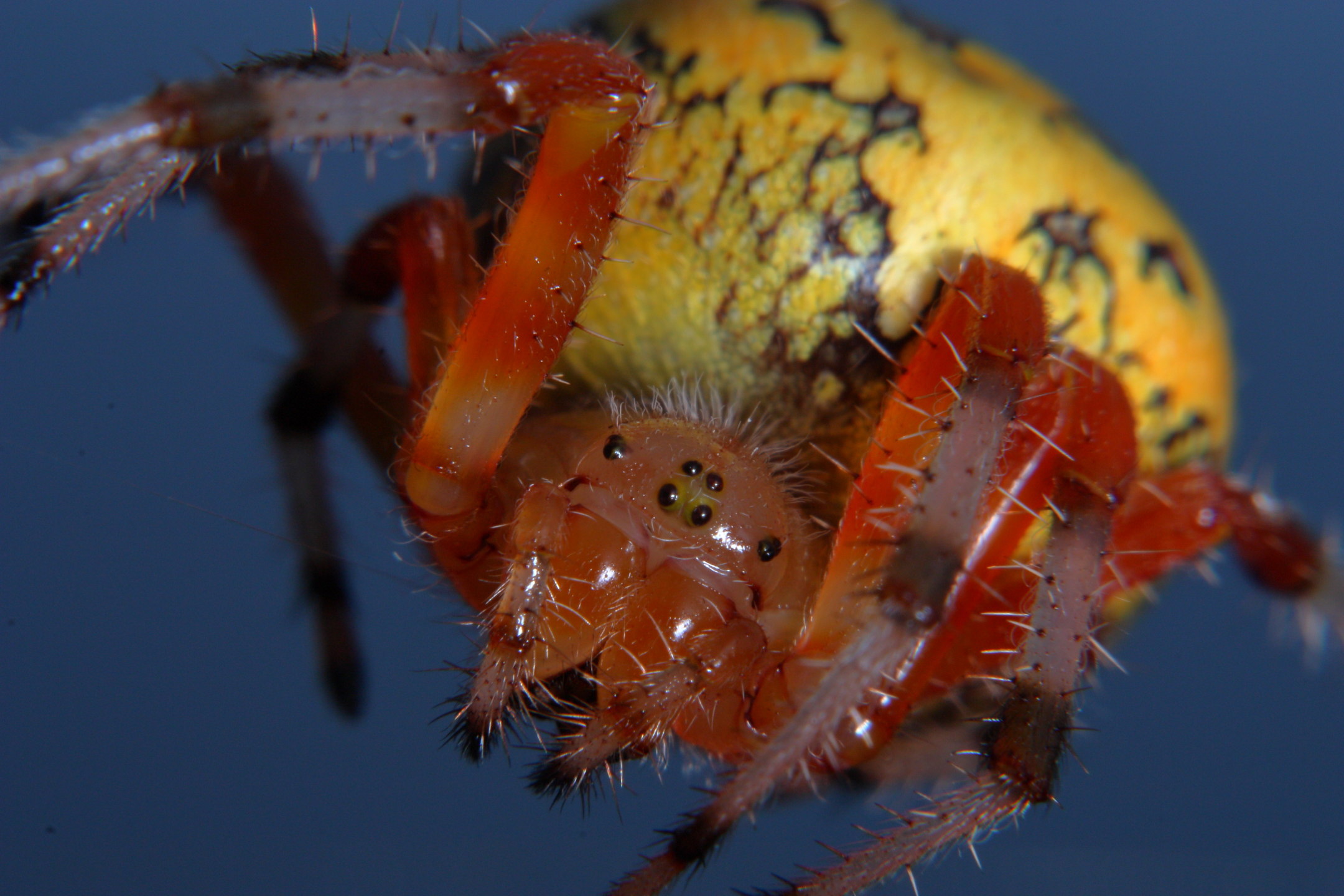
Spider

Class Arachnida > Order Araneae: Spiders are the largest group of arachnids.  They are easily recognized by their eight legs, and there are few creatures great or small that elicit such irrational fear in mankind. The vast majority of spiders are completely harmless and offer beneficial services, chief of which is keeping the burgeoning insect population in check. 
-Table of Contents-


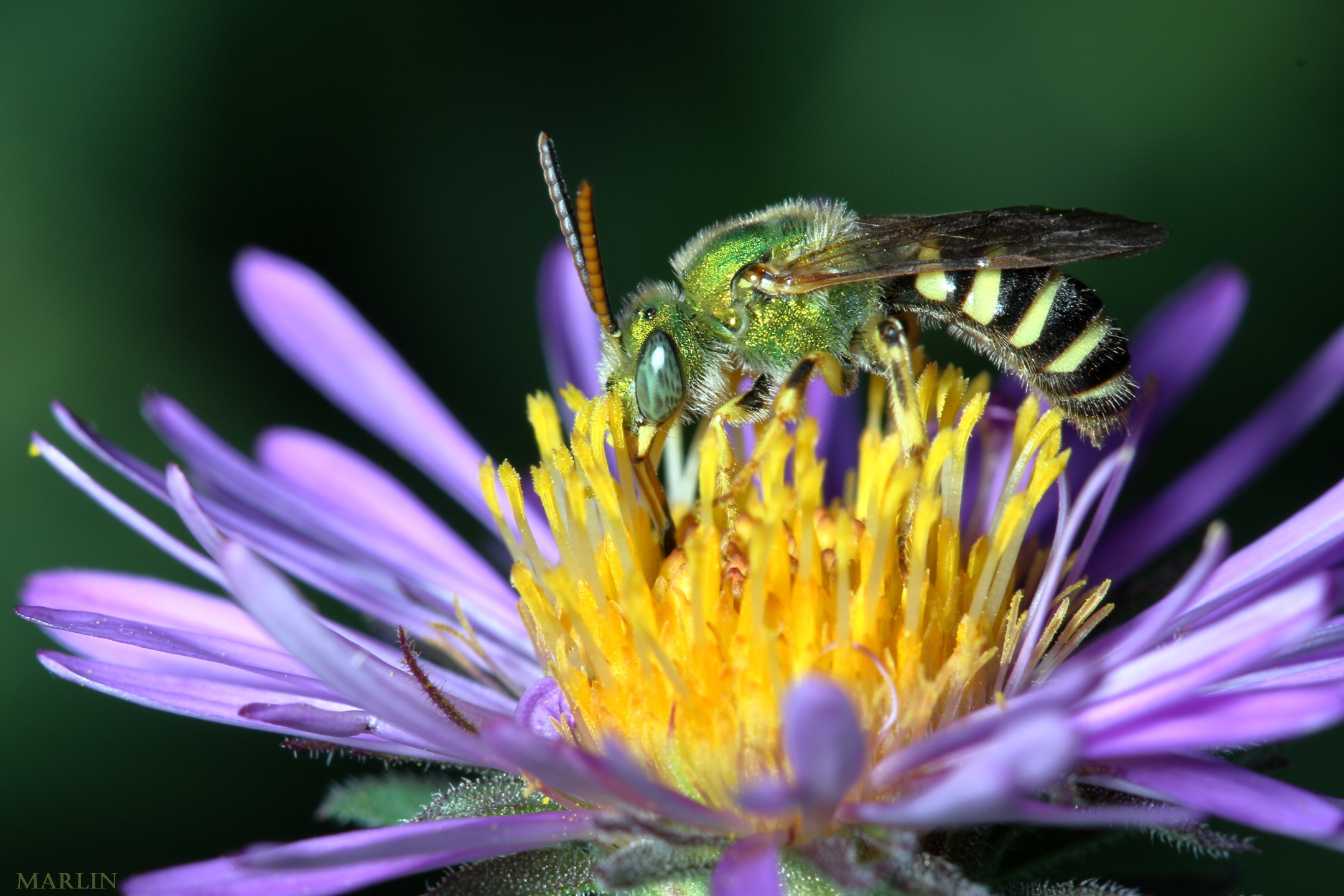
Baldfaced Hornet

Order Hymenoptera: Bees, Wasps, and Ants belong to this large order, which also includes sawflies. Most species are solitary, but some, such as the domestic honeybee, exhibit a complex social structure in which exist sterile female workers and fertile male and female "royalty."  
-Table of Contents-


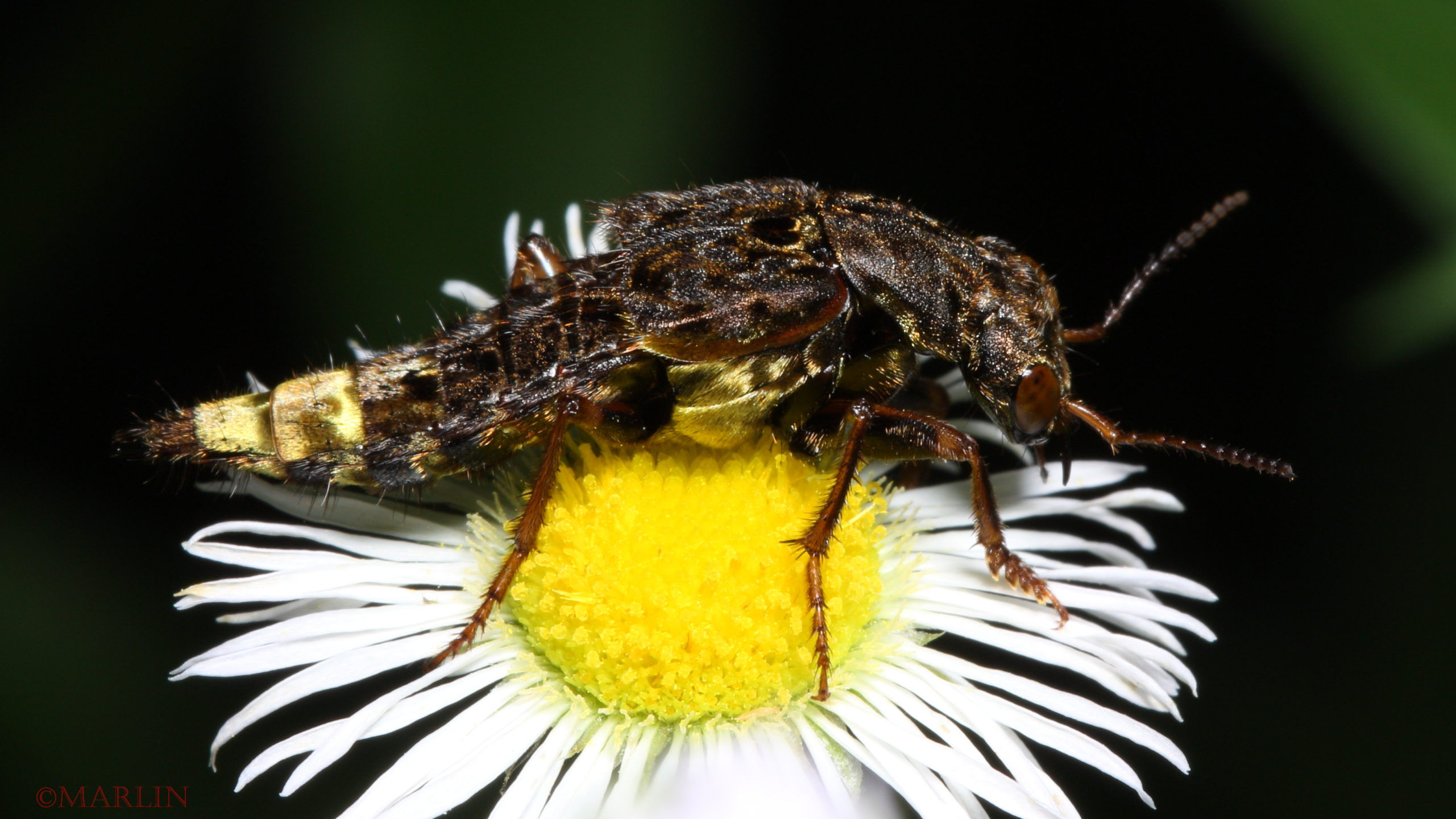
Green Tiger Beetle

Order Coleoptera: Beetles are the dominant form of life on earth: one of every five living species is a beetle. Coleoptera is the largest order in the animal kingdom, containing a third of all insect species. There are about 300,000 known species worldwide, 30,000 of which live in North America.
-
Table of Contents-


Milkweed Bug

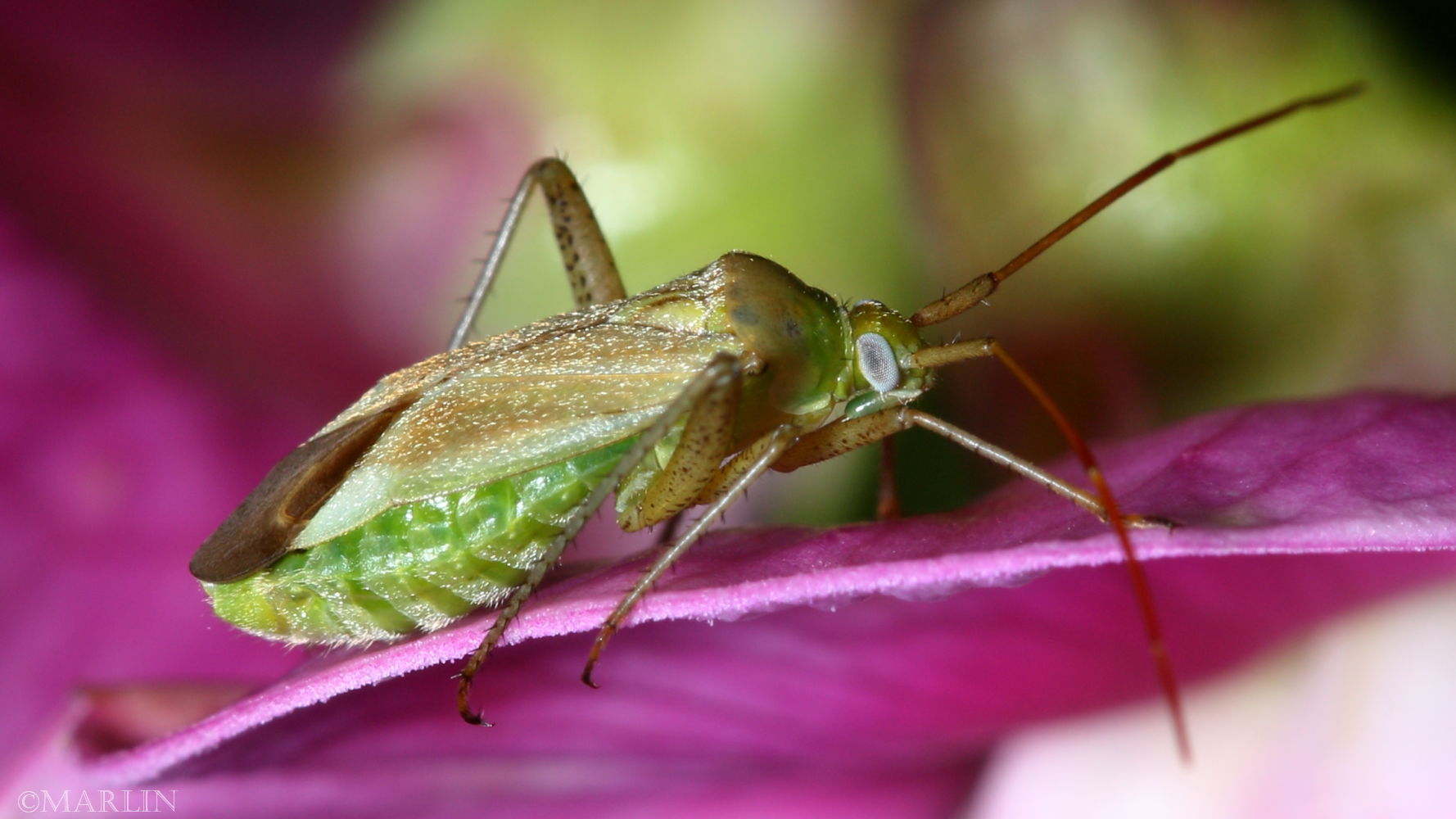
Order Hemiptera: True Bugs species number almost 5,000 in North America, and 40,000 worldwide. Almost all of them have a first pair of wings that fold flat over the back, and mouthparts formed into a beak, adapted for sucking plant juices. Many species have glands that exude odoriferous chemicals to repel predators.
-Table of Contents-


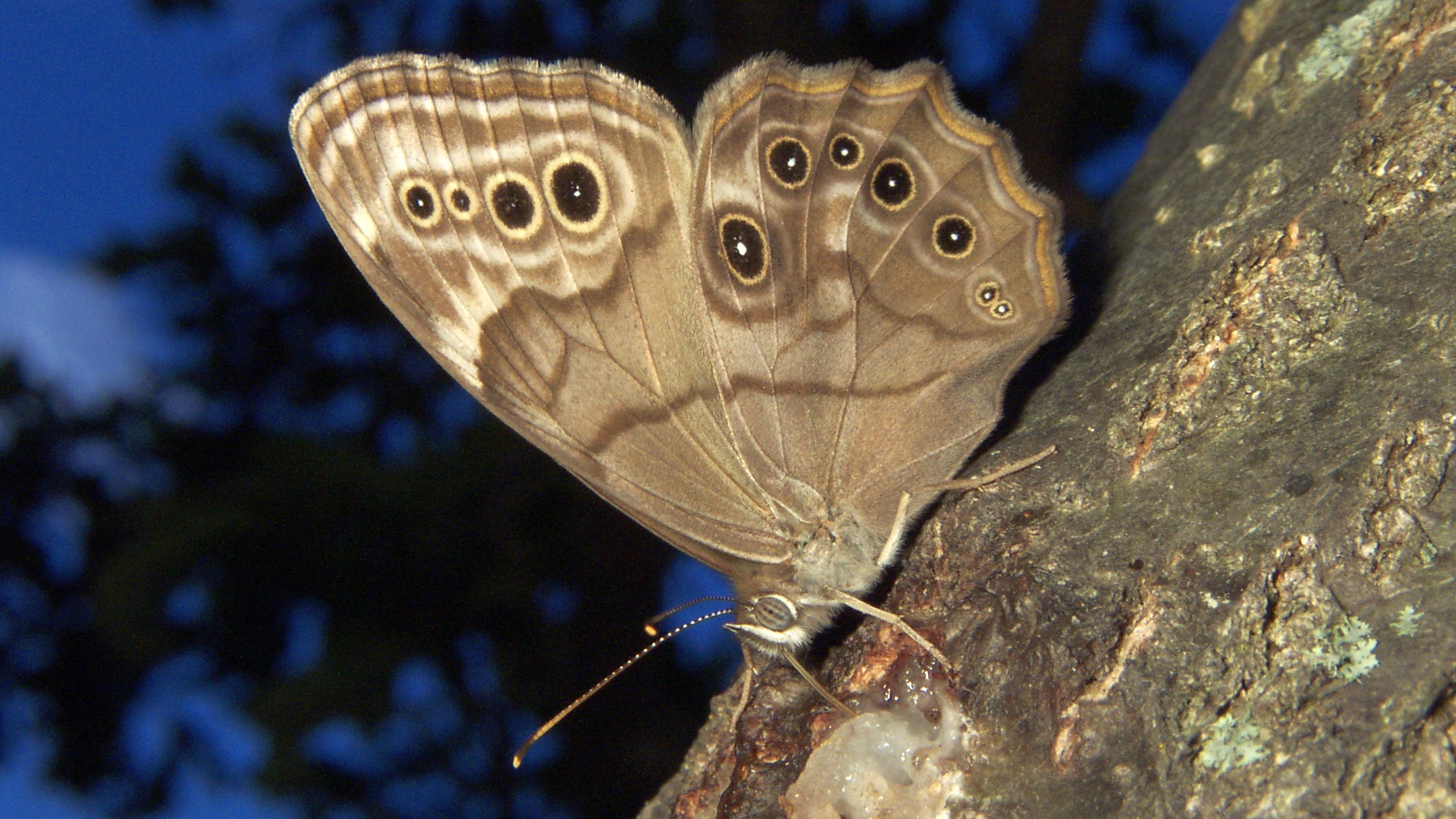
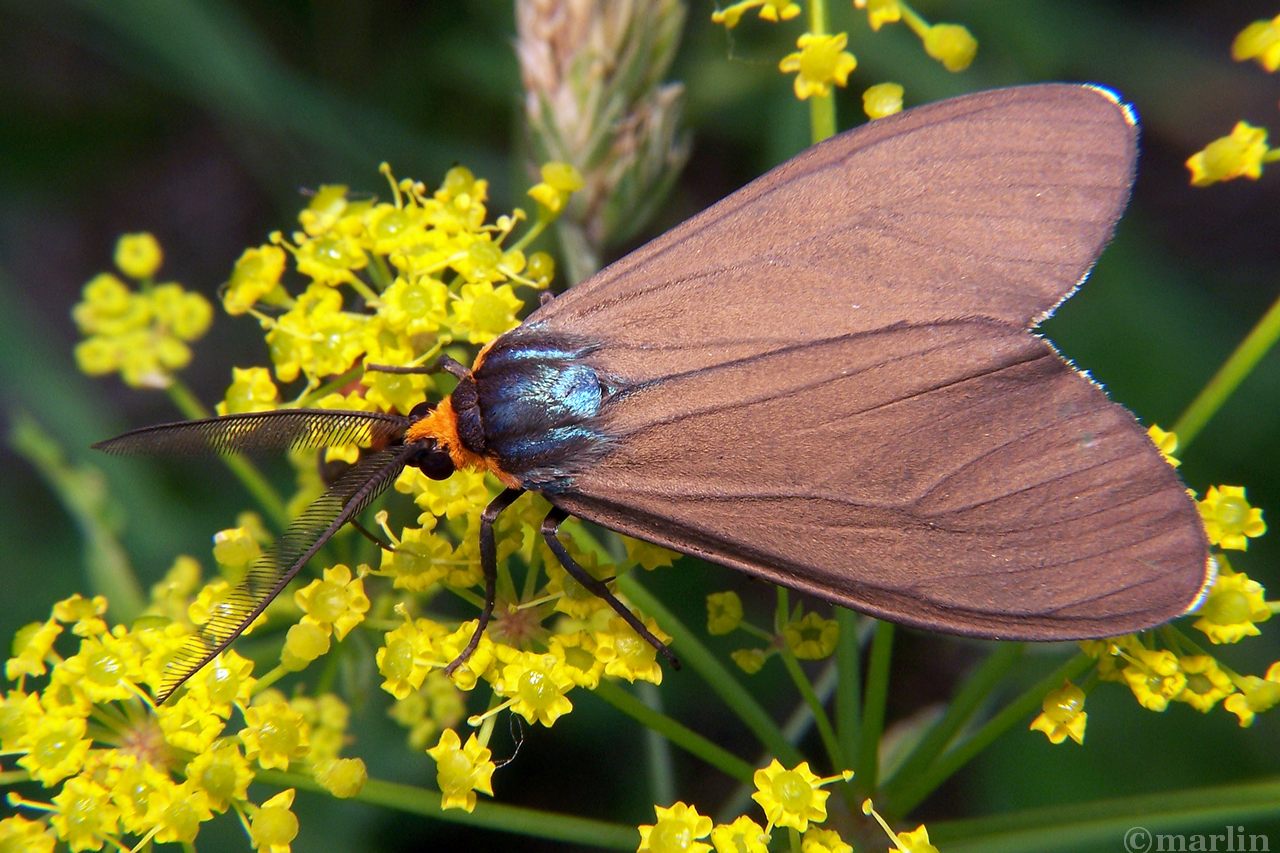
Moth

Order Lepidoptera: Moths. Unlike the butterflies, most moths are nocturnal and hold their wings roof like over the body, curled around the body, or.. held just like butterfly wings. Many moths and their caterpillars are a major agricultural pest in many parts of the world. Moths in the family Tineidae are commonly regarded as pests because their larvae eat fabrics, clothes and blankets made from natural fibers such as wool or silk.  -Table of Contents-


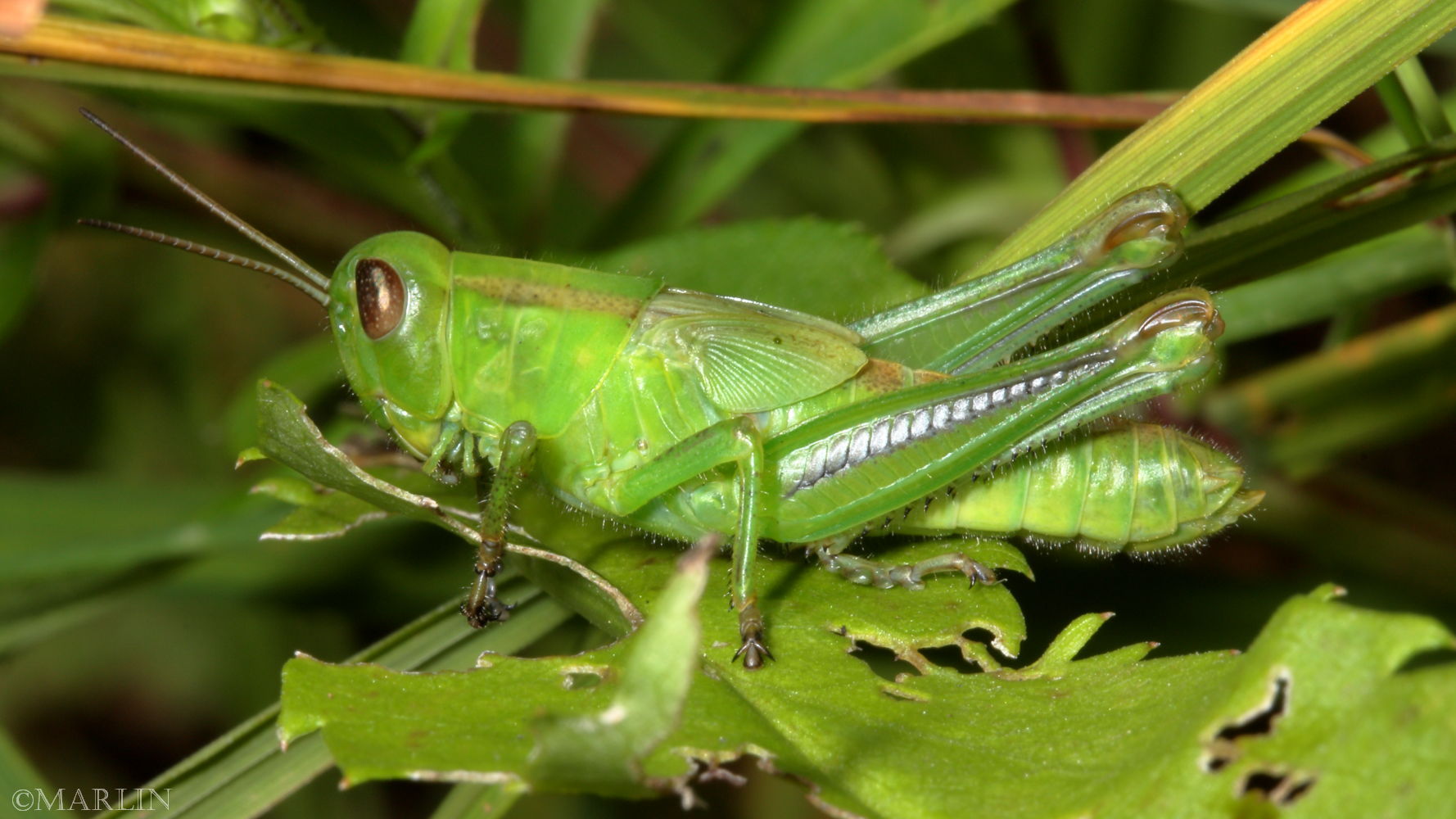
Grasshopper

Order Orthoptera: Grasshoppers and crickets have long, powerfully muscled hind legs that they use for jumping, large, flat-sided heads with big compound eyes and large chewing mouthparts.  Grasshopper and cricket males are known for their musical sounds made when they rub together roughened portions of their wings or legs. -Table of Contents-


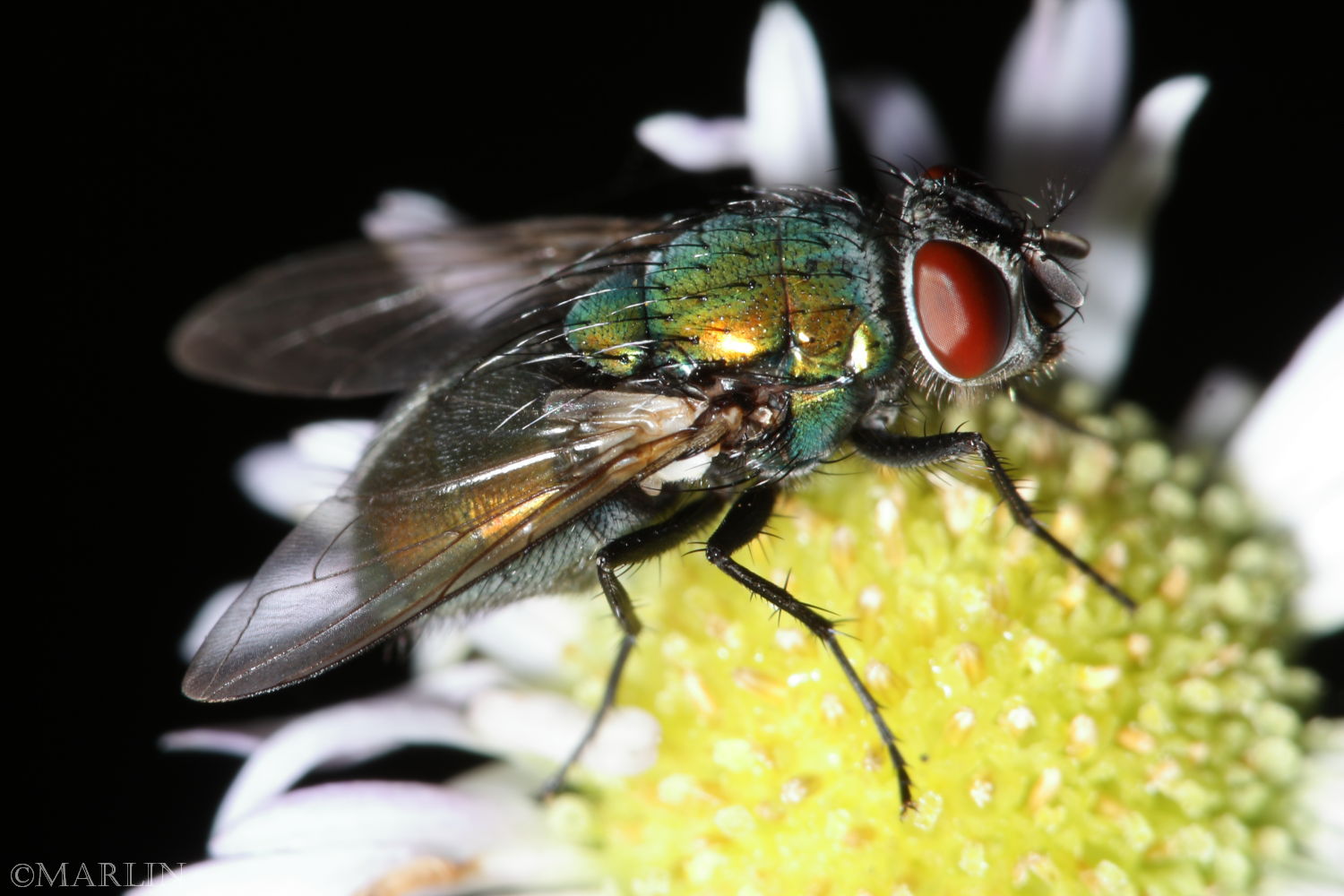
Horse Fly

Order Diptera: Flies are prevalent in virtually all habitats, with over 16,000 species in North America. Flies are distinguished from all other insects in that they only have one pair of normal wings.  Mouthparts are adapted for piercing, lapping or sucking fluids. 
-Table of Contents-

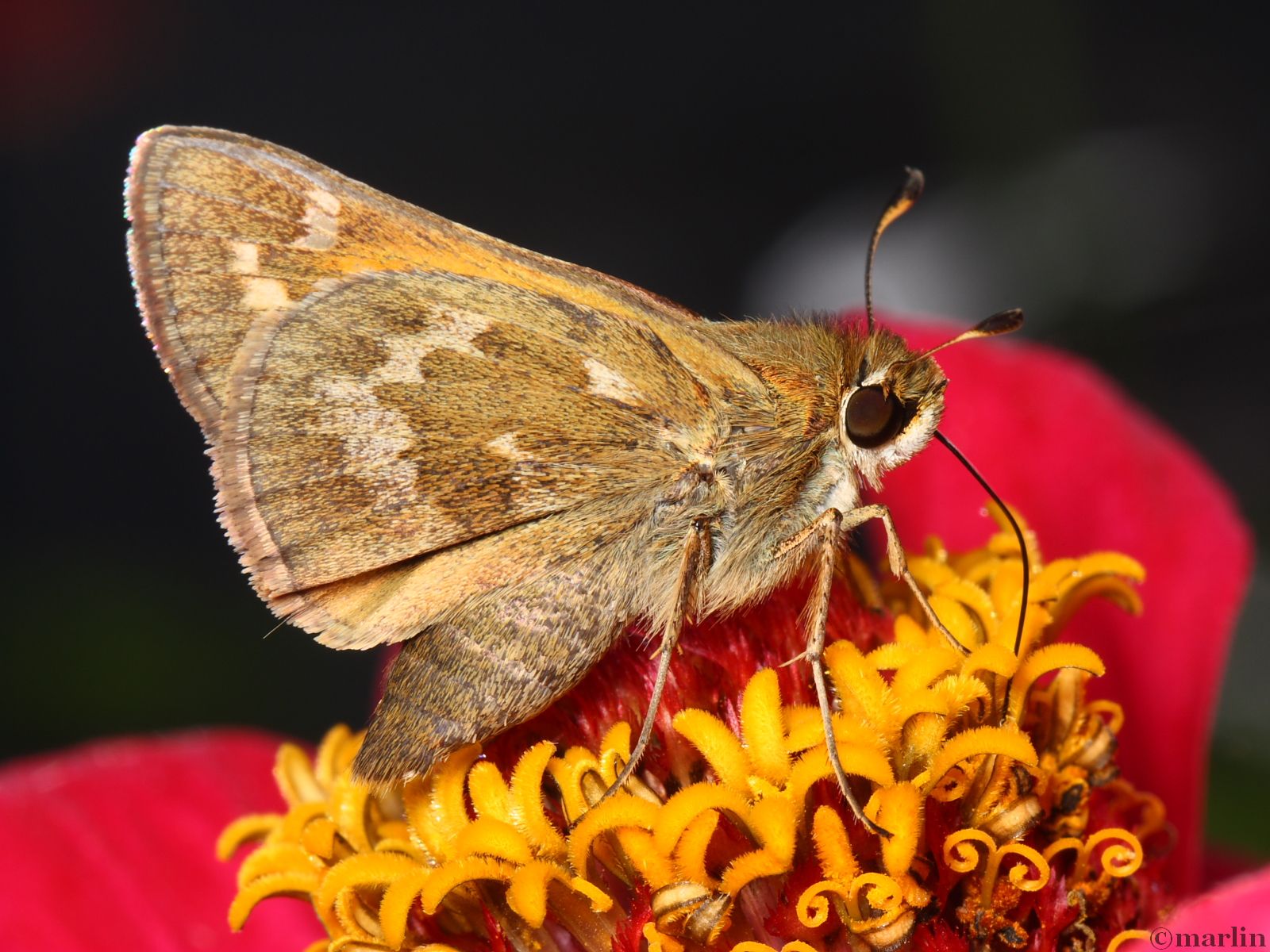
Tailed Copper Butterfly

Order Lepidoptera: Butterflies and moths, are revered for their magnificently colored wings and pleasing association with fair weather and flowers. Lepidoptera comprises at least 125,000 known species including 12,000 in America north of Mexico.
 -Table of contents-


Bedbug

OMG! Bedbugs? In this day and age? Oh yeah, they are making a big comeback in North America. Learn what you need to know to protect yourself, on the road (New York City hotels have become suspect) and in your home. These disgusting little critters want you for their next blood meal. Find out why those little portable steam cleaners are a big waste of money and why directing clouds of "steam" around your house is not such a good idea.


House Centipede

Classes Diplopoda (Millipedes) and Chilopoda (Centipedes)
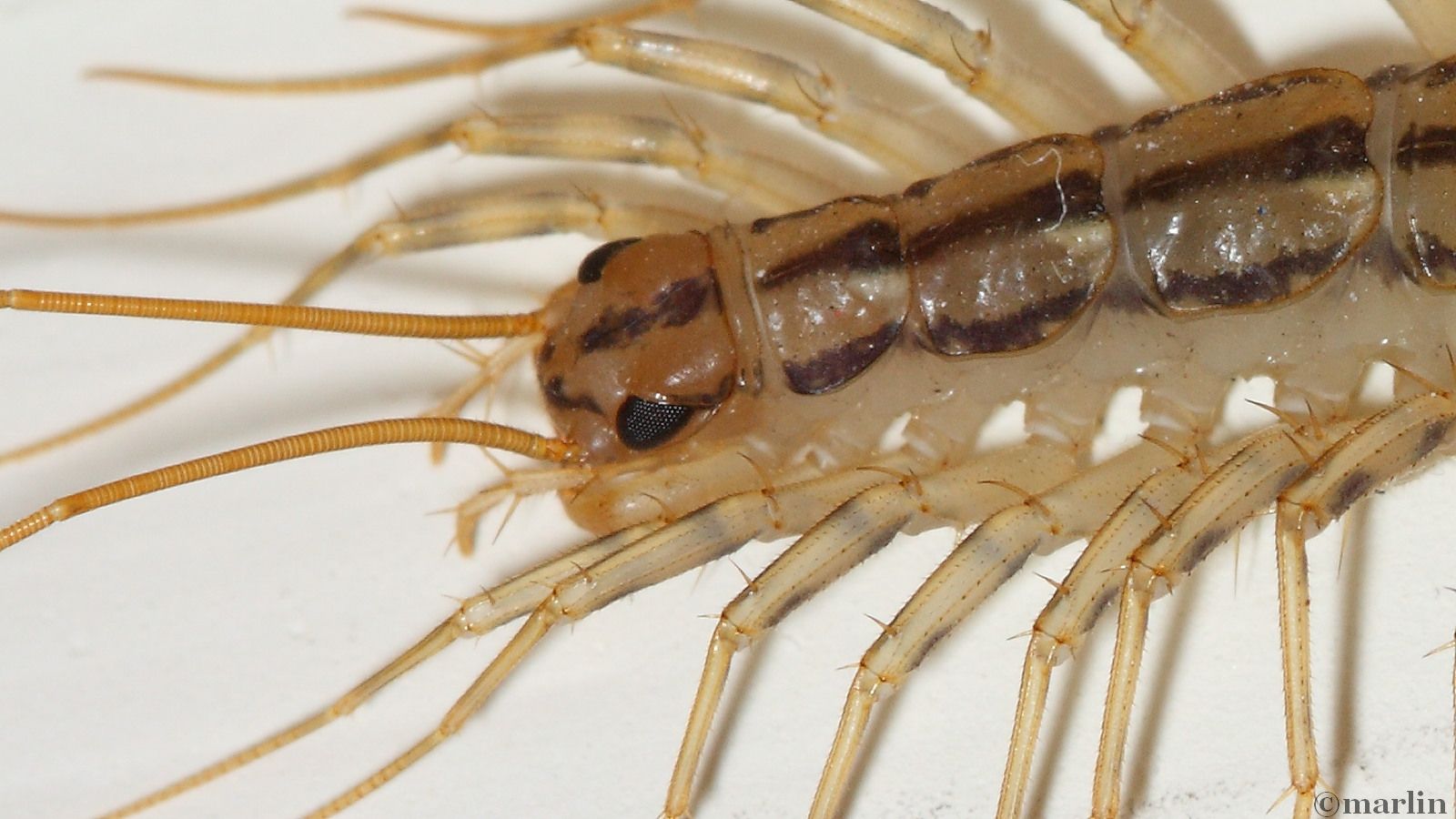
Millipedes do not bite, pinch or sting, but may emit foul-smelling or irritating defensive chemicals. Centipedes will bite defensively, and the bite can be painful, but no worse than a mild bee sting. The house centipede (pictured at left) can complete its life cycle indoors, as it prefers dampness. They can move very rapidly and scare the hell out of you, as did this one me when it appeared in my kitchen.


Dog Tick

Class Arachnida > Order Ixodida  Ticks are external blood-feeding parasites of birds, mammals and reptiles and are important vectors of Lyme disease, Rocky Mountain spotted fever, and others viral and bacterial diseases. Learns to protect yourselves and your loved ones (doggies, especially). Visit the American dog tick or the Black-legged Deer Tick and the Lone Star Tick and Southern Tick Associated Rash Infection (STARI)


dragonfly

Order Odonata: Dragonflies date back 300 million years, to the Carboniferous Period of the Paleozoic Era. These colorful, enchanting insects are revered second only to the butterflies in the popular psyche. Explore detailed close-up photographs of live, adult dragonflies photographed in the wild. -Table of Contents-


Damselfly

Order Odonata: Damselflies date back 300 million years, to the Carboniferous Period of the Paleozoic Era. Today, there are about 450 North American species, and 5,000 in all. They have evolved in to highly efficient hunters; their freely moveable heads sport huge compound eyes and their sharp biting mouthparts, coupled with their four powerful, independent wings make them extremely agile flyers capable of snatching prey in midair.  -Table of Contents-


Cicada

Suborder Homoptera: Cicadas, hoppers and their kin have beaklike mouthparts arising from far back beneath the head, adapted for sucking plant juices. All members of this order are plant feeders. Aphids are among the most injurious agricultural pests, they can reproduce without mating; theoretically, one female aphid can produce billions of offspring. Male cicadas produce the loudest sounds in the insect world, their buzzing sometimes exceeding 100 decibels.  -Table of Contents-


Praying Mantis

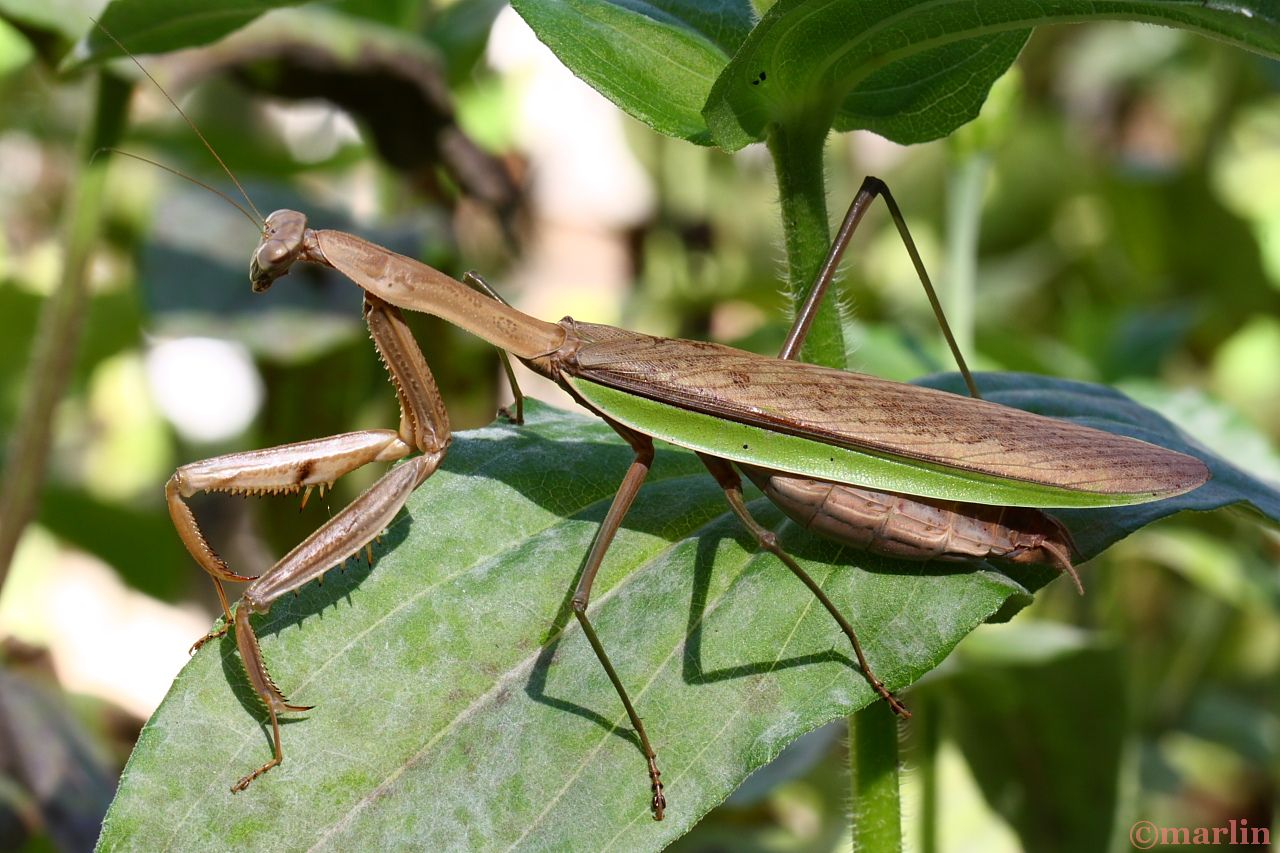
Order Dictyoptera: Mantids and cockroaches. Mantids have triangular heads with huge compound eyes, long, thin bodies, four thin legs, and prominent forelegs held in the characteristic prayerful pose.  The strong mouthparts can cut through even heavily armored heads of insects.  Both genders use their exquisite camouflage and ability to remain motionless to lie in wait and ambush unwary prey, including  small frogs, lizards, and even hummingbirds.


Flowers

Flowers
Check out our large flower pictures - we have been busy photographing azaleas and rhododendrons for your gardening choices. Pictures of specimens at The Morton Arboretum assure you what you are looking at is the real thing.  -Table of Contents-


Tree

Tree Encyclopedia
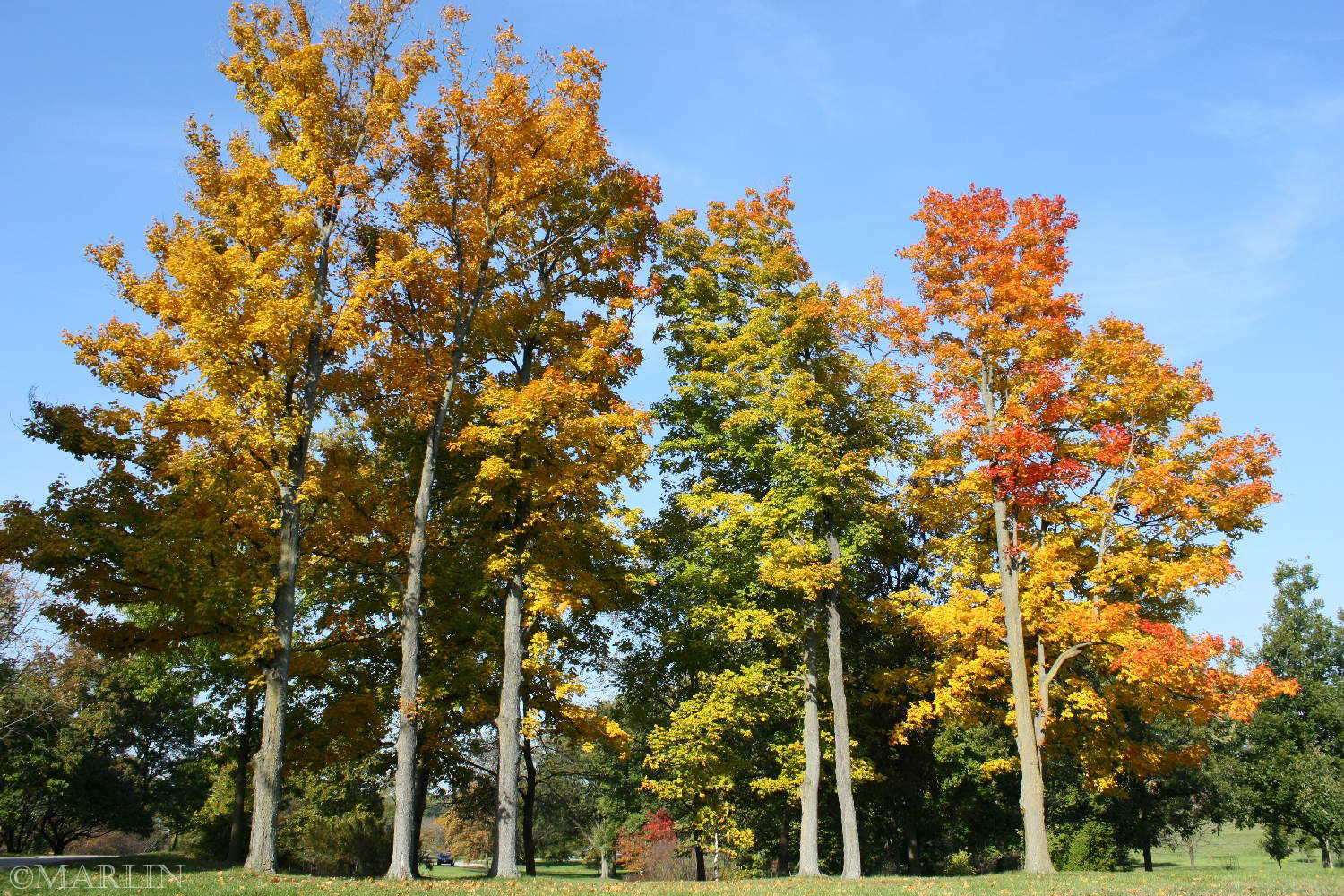
Explore large-format pictures detailing mature trees, leaves, bark and fruit, read the vital statistics and natural history of many of our common trees. Our photographs of are of live, documented, professionally identified trees, shrubs and forbs.
-Table of Contents-


Harvestman

Order Opiliones: Daddy Long Legs or harvestmen are often mistaken for spiders; they are not. About 1900 species of harvestmen are distributed over the world in forests, fields and other land habitats. They can and do walk on water. These oddball creatures are some of the most abundant on our forest floor.


Odiellus pictus
Fungi

Kingdom: Fungi includes some of the most important organisms, both in terms of their ecological and economic roles. By breaking down dead organic material, they continue the cycle of nutrients through ecosystems.  Other fungi provide numerous drugs (such as penicillin and other antibiotics), foods like mushrooms, truffles and morels, and the bubbles in bread, champagne, and beer.  --Table of Contents--


Scorpionfly

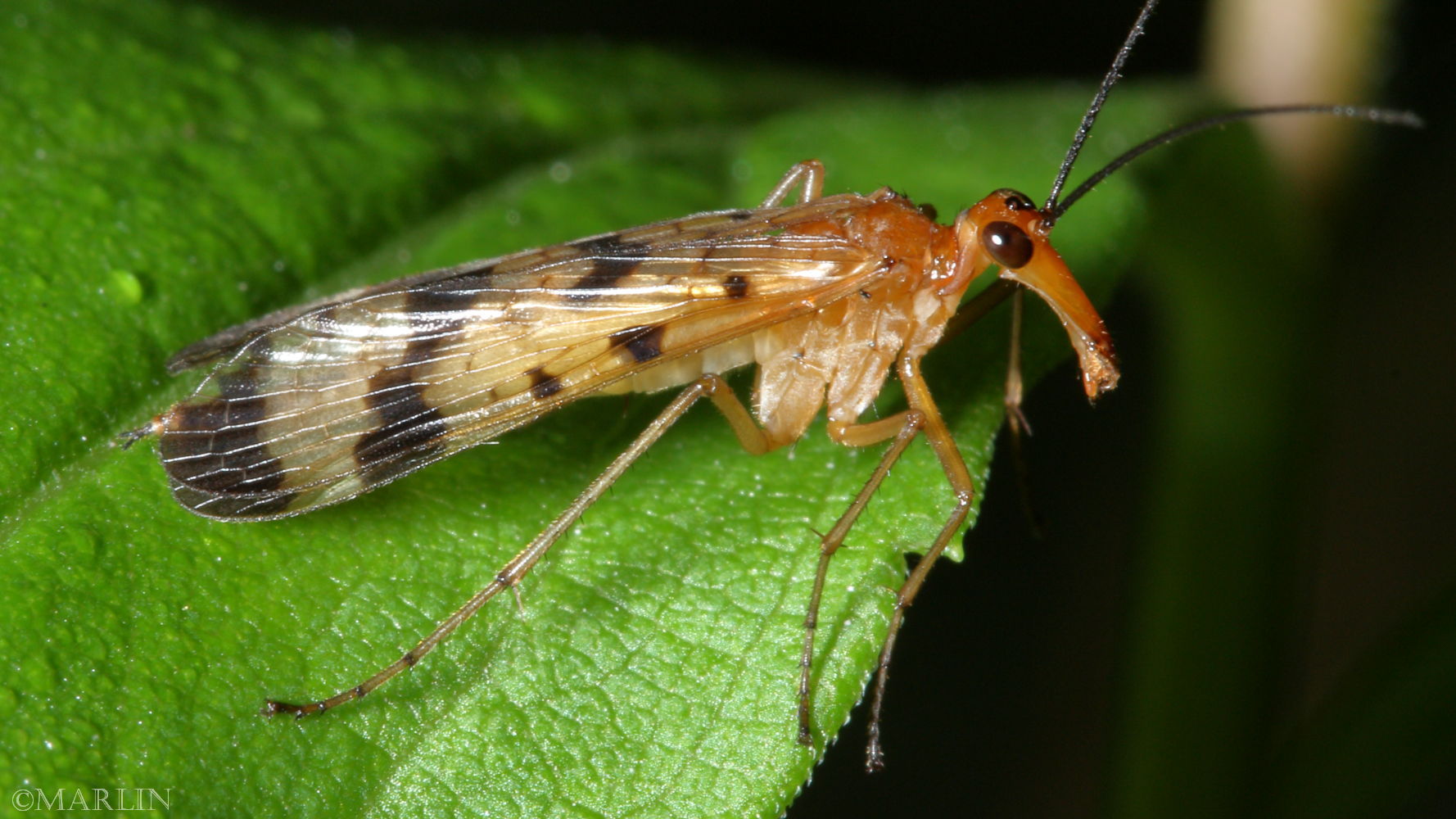
Order Mecoptera: Scorpionflies and their kin include about 85 species in North America, 400 worldwide. Mecopterans do not sting or bite. They spend most of their time in low vegetation, hunting small soft-bodied insects or scavenging on fruit, dead insects and even bird droppings. Mecopterans have changed little from fossils 250 million years old, and many entomologists consider now-extinct members of this order to be the ancestors of modern-day flies, fleas, butterflies, and moths.


Green Lacewing

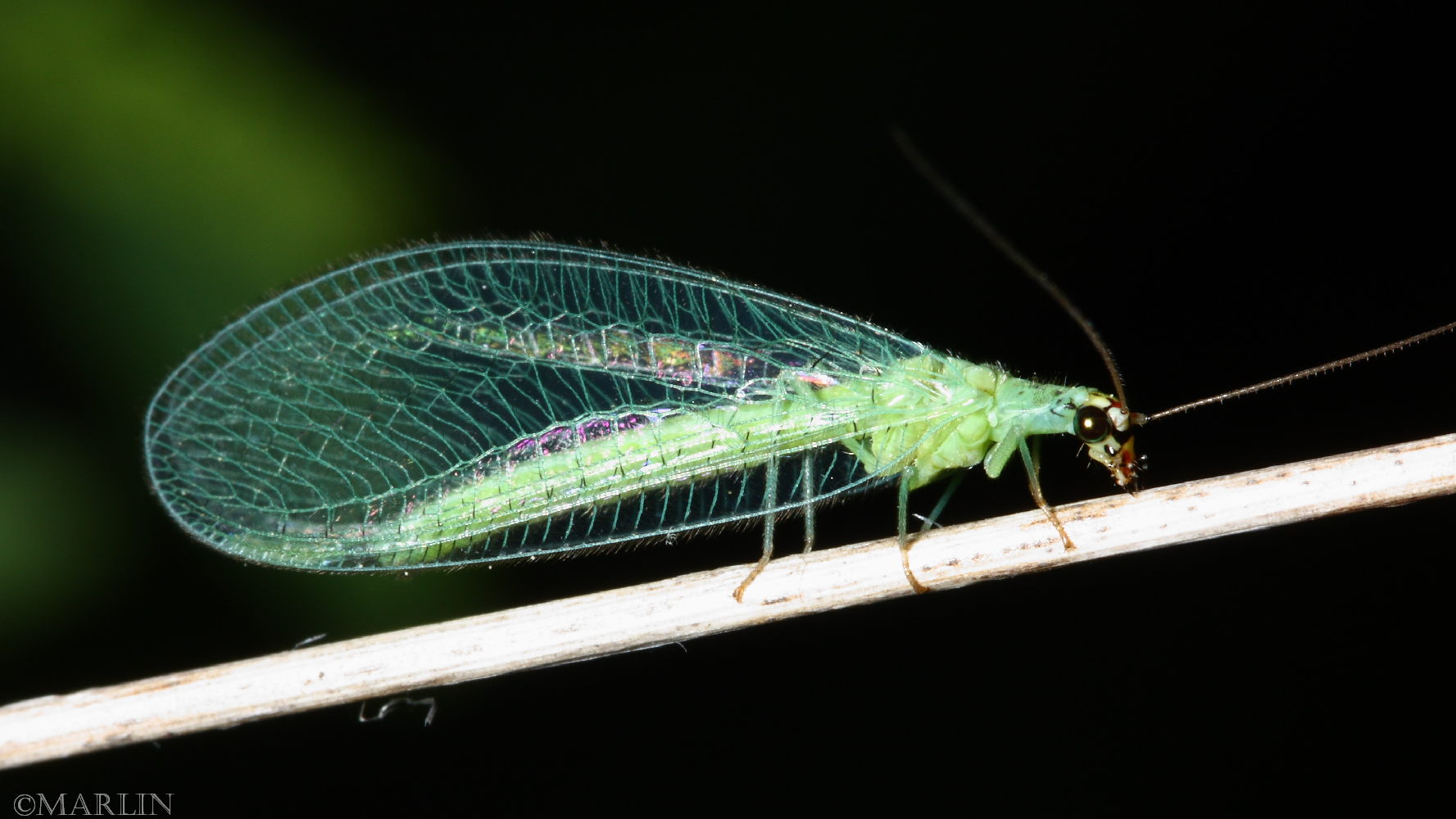
Order Neuroptera: Lacewings in this order have many veins and cross veins in their four transparent wings. Neuroptera means "nerve wing." There are only 338 species in North America. The order includes lacewings, antlions, mantidflies, and spongillaflies. Lacewings are poor flyers found mostly in low vegetation. They have large, copper-colored compound eyes and long, thin antennae.  Their larvae are commonly called aphid lions.


Caddisfly

Order Trichoptera: Caddisflies resemble moths, but have very fine hairs on their wings instead of scales, and lack the coiled proboscis of moths.  The aquatic larvae of some species are free swimming predators, some spin silken nets to trap vegetable matter in fast-moving water, and still others construct portable shelters out of sand grains, bits of shell, or even plant fragments. These larva are called casemakers, and each genus has a distinctive style and construction method. Trout and other fishermen value the casemaker as bait for sport fish.


Mayfly

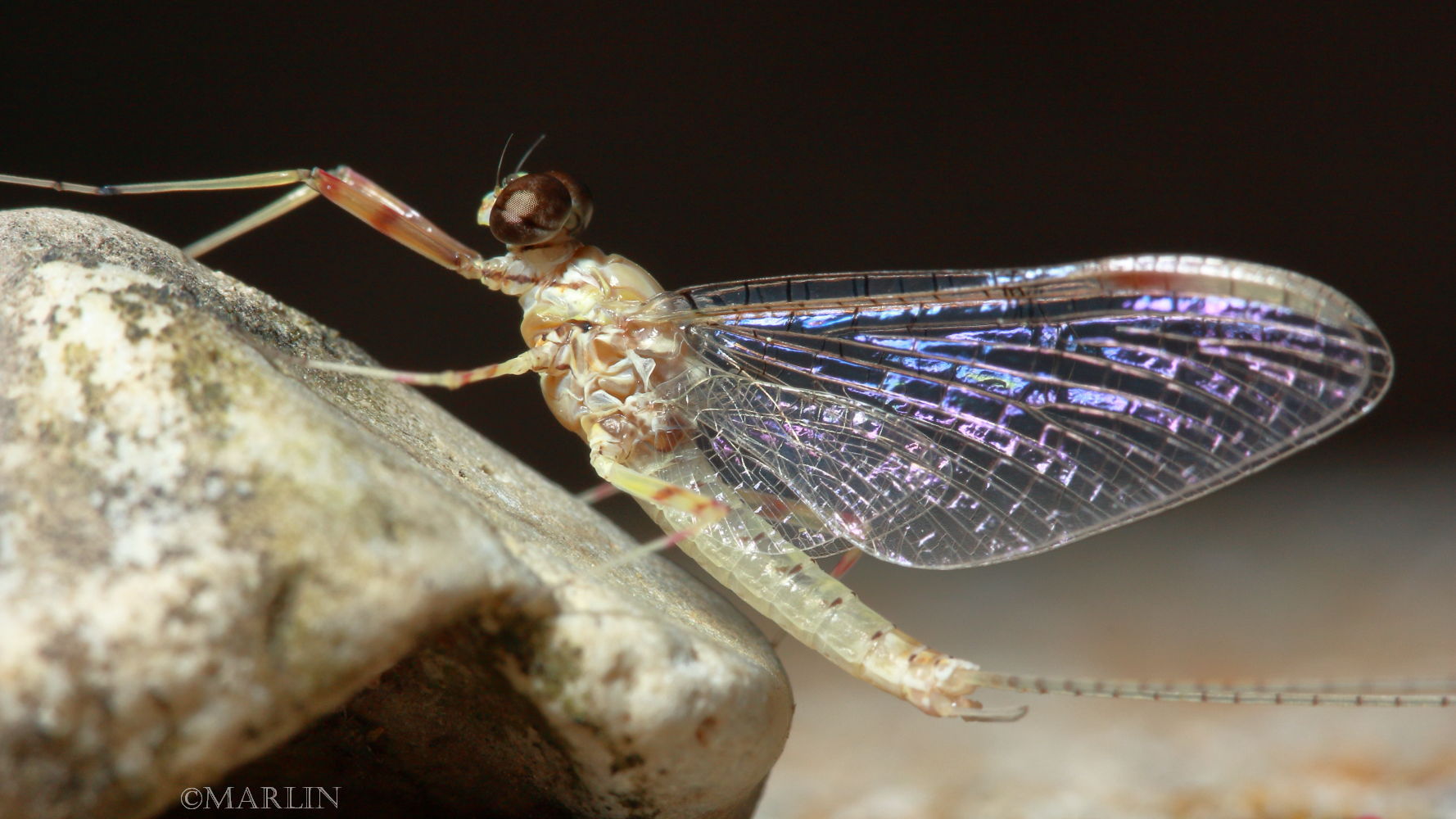
Order Ephemeroptera: Mayflies. Ephemeroptera: Greek Ephemeros - short-lived, pteron - wing, referring to the short life span of adults; they survive only a few hours or at most a few days. They eat nothing, nor do they crawl or walk. They only fly and mate within dancing swarms, usually in late afternoon or evening.  The chief importance lies in their value as food for fish, dragonfly nymphs and birds. Anglers imitate the adults in dry flies, referred to as "spinners" or "duns," and pattern wet flies after the nymphs (Naiads).  Read our new article on the Cream Cahill Mayfly


Sow Bug

Subphylum: Crustacea > Class: Malacostraca > Order: Isopoda - Pillbugs, sow bugs and woodlice are neither insects nor arachnids, but crustaceans, members of the same class as shrimps, lobsters and crabs.  Anyone who has ever turned over a log or rock is familiar with these primitive critters. They are omnivores and scavengers, feeding upon decaying vegetable matter, fungi and animal remains. They form an important link in the food chain by recycling dead and decaying material.


Flowers

Flowers, Wildflowers and Prairie Plants
Please visit our pages on flowers, wildflowers and trees of the prairie and Oak Savannah. There are many species of flowers of interest to butterfly gardeners, prairie restorers and urban and suburban gardeners. -Table of Contents-


Garden Slug

Garden Slugs: Phylum: Mollusca / Class: Gastropoda
Learn slug anatomy through our close-up photos. Read how to use natural methods to control these slimy pest critters, and what plants can resist their depredations. Can beer really kill these guys?


Custom Search

Valid HTML 4.01 Transitional

© Red Planet Inc.