Smooth-Leaved Elm – Ulmus carpinifolia
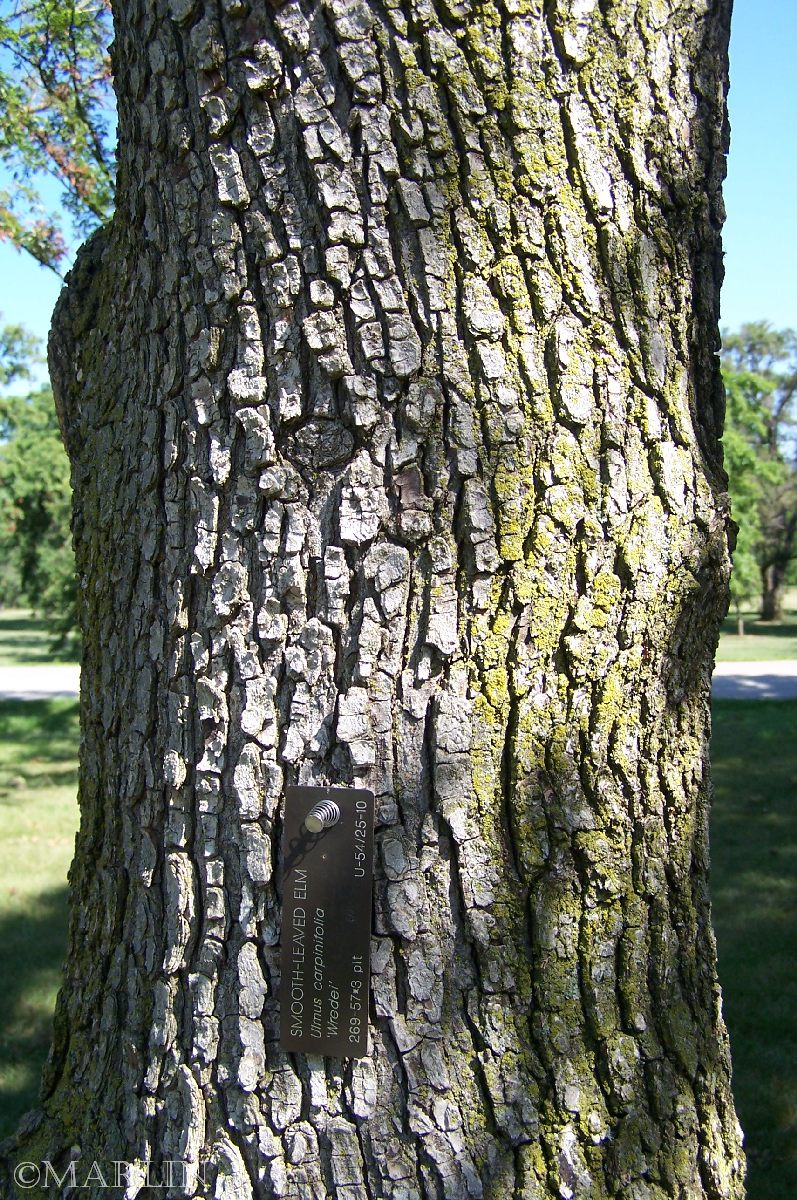
A deciduous tree that can grow up to 30 meters, Ulmus carpinifolia is native to southern Europe and western Asia. It is commonly found in lowland and montane forests, along riverbanks, and in urban areas.
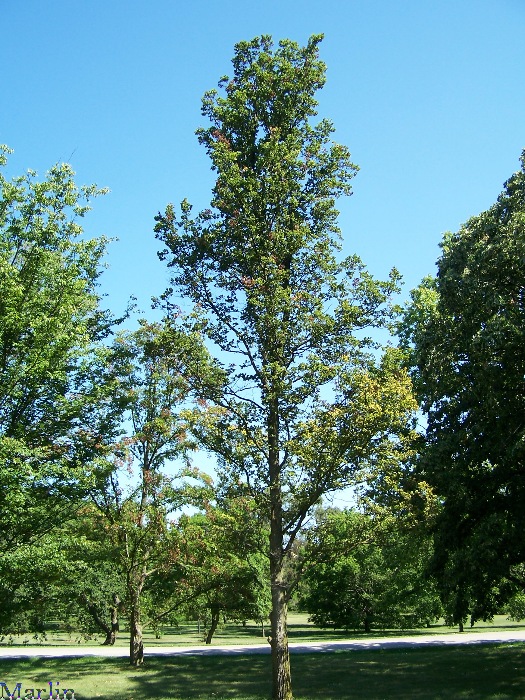
Wrede smooth-leaved elm Ulmus carpinifolia ‘Wredei’
Ulmus carpinifolia is listed as a vulnerable species due to habitat loss and degradation, as well as the spread of Dutch elm disease. Efforts are being made to conserve the species through reforestation and the development of disease-resistant cultivars.
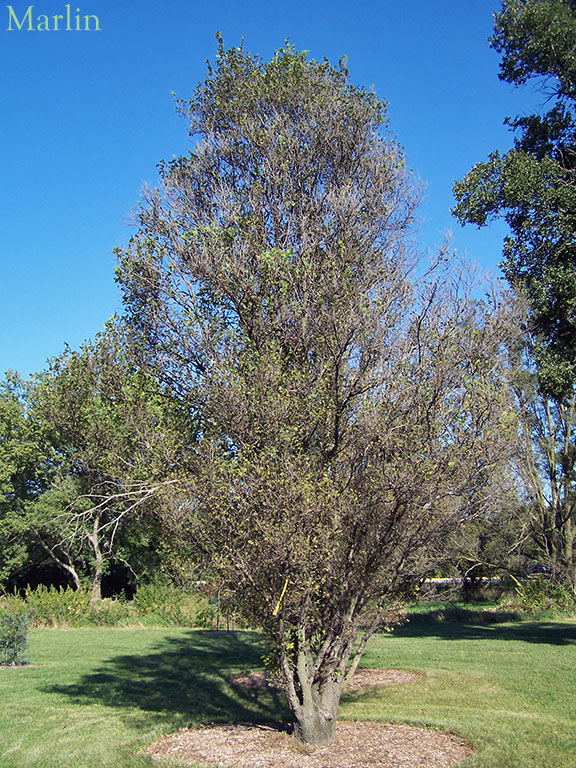
Smooth-leaved Elm – Ulmus carpinifolia ‘Koopmanii
April 16, 2023 – I’m trying out Open AI ChatGPT in editing / rewriting my old texts. It is so unreliable, I have to double-check nearly every fact presented. The answers you get depends on how you ask the question, but even if you simply rephrase the same question, the “facts” change.
Turns out my original research in the late 2000s, very labor intensive in the early internet, is much more reliable and factual than most of what AI comes up with.
References
- Smooth-leaved Elm – Ulmus carpinifolia ‘Koopmanii’, photos by Bruce Marlin
- Smooth-leaved Elm – Ulmus carpinifolia ‘wredii’, photos Bruce Marlin
Family Ulmaceae – Zelkova, Hackberry, Elm
Tree Encyclopedia / North American Insects & Spiders
Online since 2002