Variegated Fritillary Butterfly – Euptoieta claudia
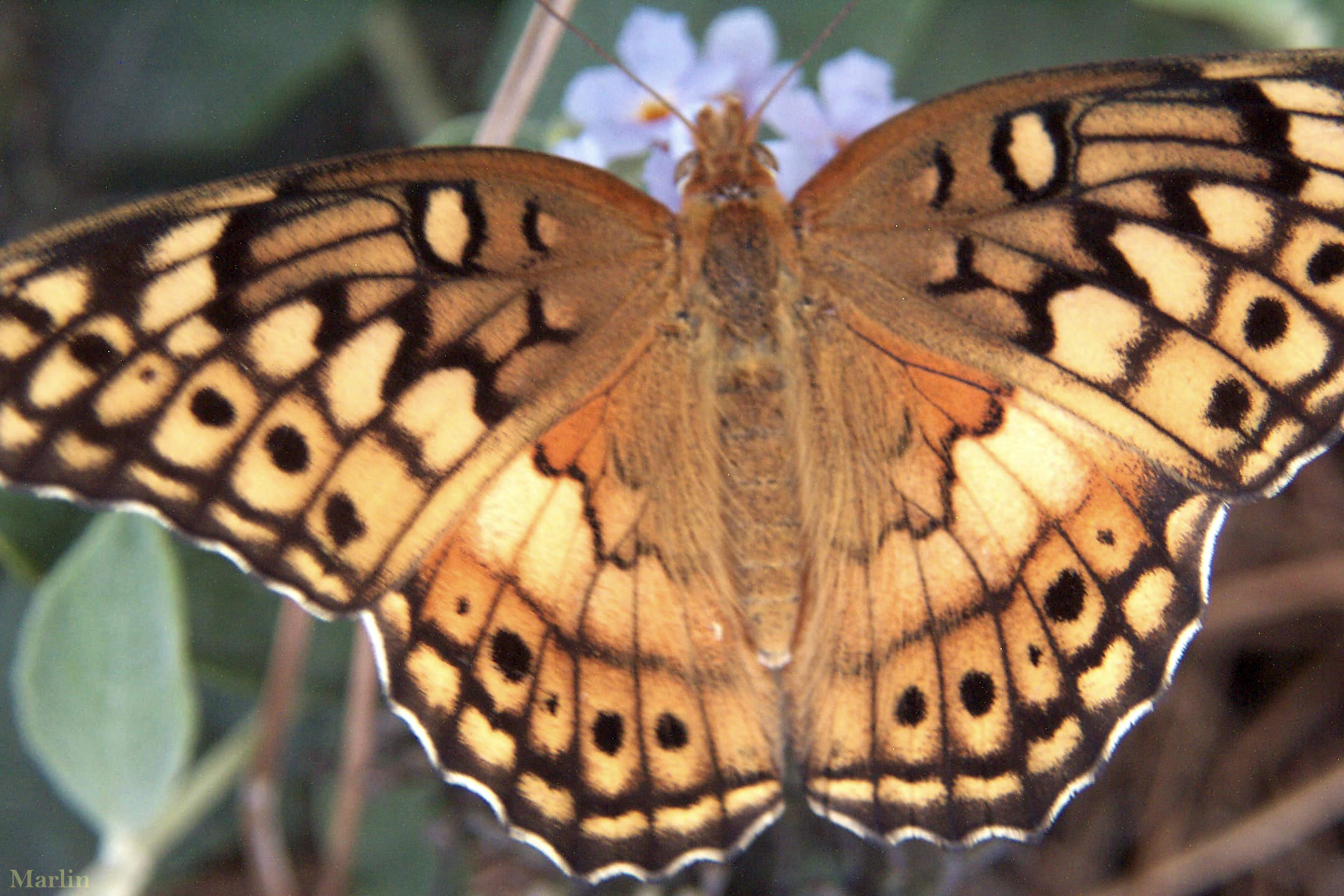
The Variegated Fritillary is widespread and common in the southern U.S. It is mainly found in grasslands, farmland, roadsides and other open areas; mountain meadows, everywhere but dense forests. Frequently strays northward in such numbers as to become common all the way to Canada. Its flight is low and direct, with very little swooping or diving, and it is an avid visitor of flowers and other liquid sources [1].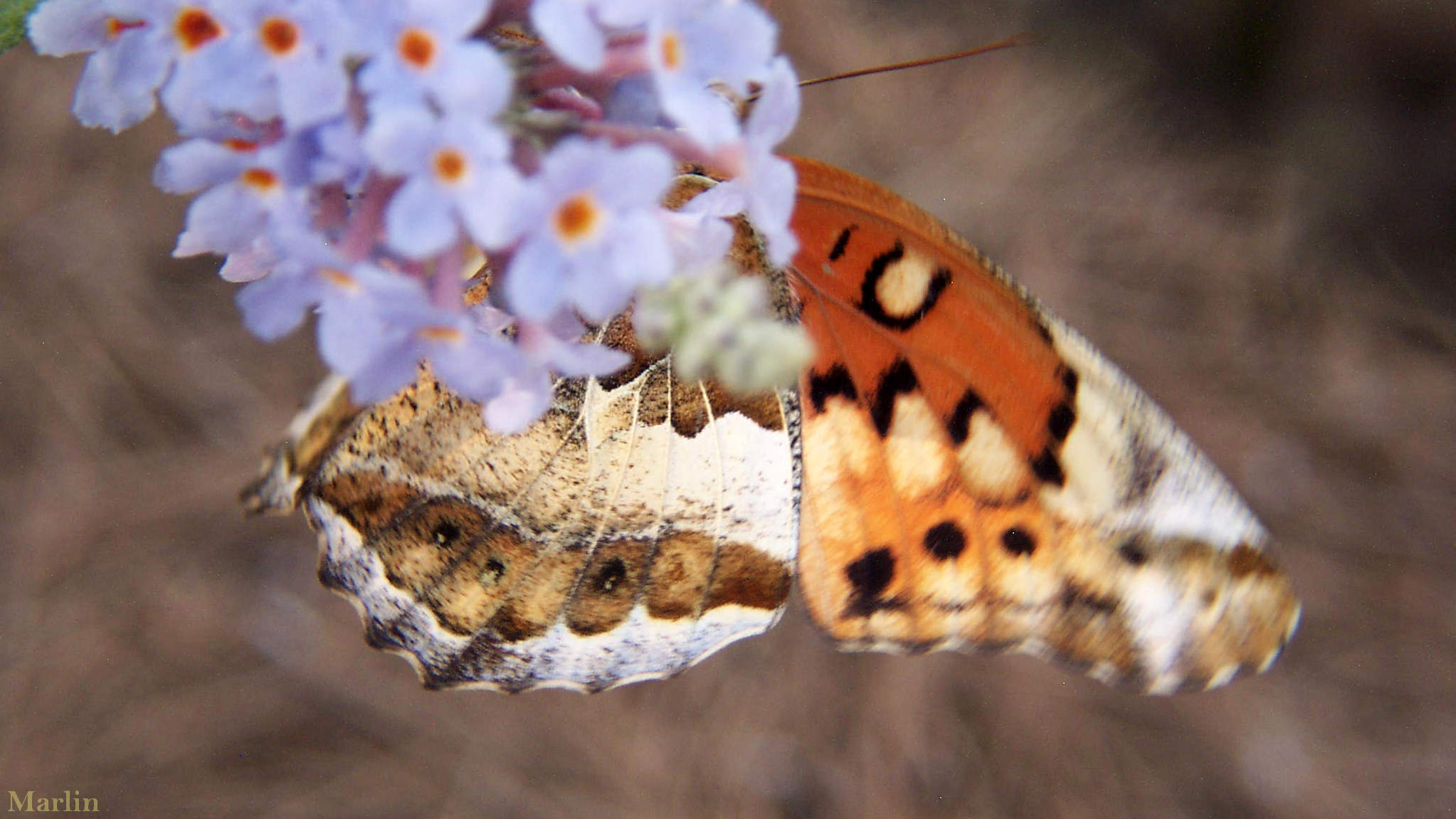
Life cycle: Eggs are cream-colored, ribbed, laid on various hostplants including violets and pansies (Viola), Flax (Linum), Passionflower, stonecrop, moonseed, and plantain. Caterpillar to 32mm ( 1¼”), white with red banding, black spines. Red head has two long black spines. Subfamily Heliconiinae – Heliconians and Fritillaries can be divided into 45-50 genera and were sometimes treated as a separate family (Heliconiidae) within the Papilionoidea.
References
- National Audubon Society Field Guide to Insects & Spiders (North America), Chanticleer Press 1980
- Eric Eaton & Ken Kaufman, Kaufman Field Guide to Insects of North America, Hillstar Editions 2007
Tree Encyclopedia / North American Insects & Spiders Online since 2002