Silver Linden - Tilia tomentosa
Family: Tiliaceae
The genus Tilia contains about 45 species of trees, native throughout most of the northern hemisphere.
Cirrus Home | Tree Encyclopedia | Trees TOC | Tiliacae Table of Contents


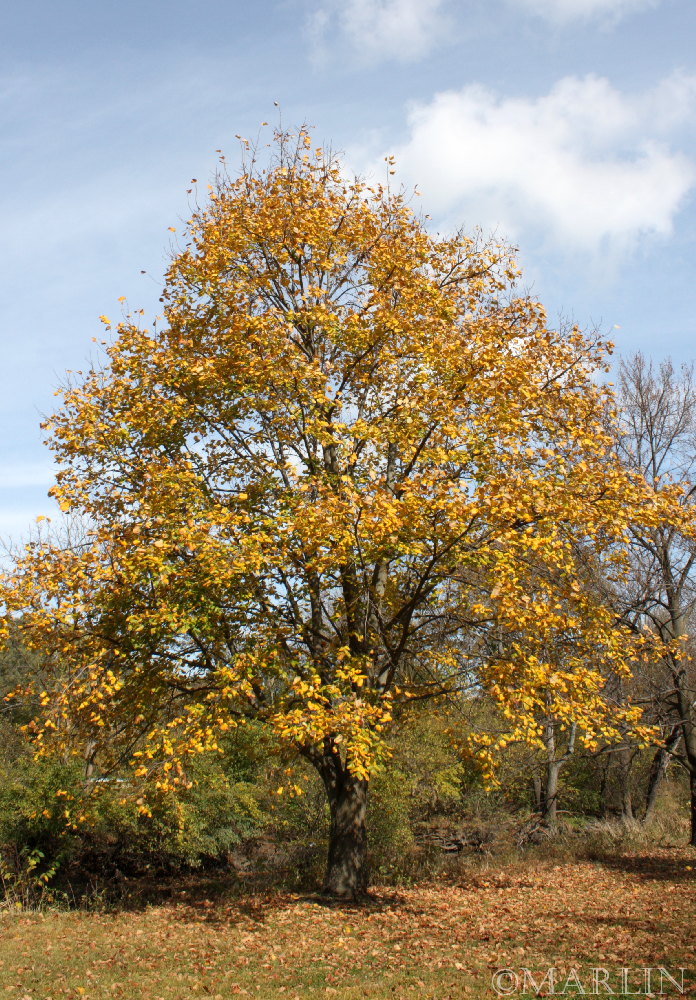
Silver Linden Tree
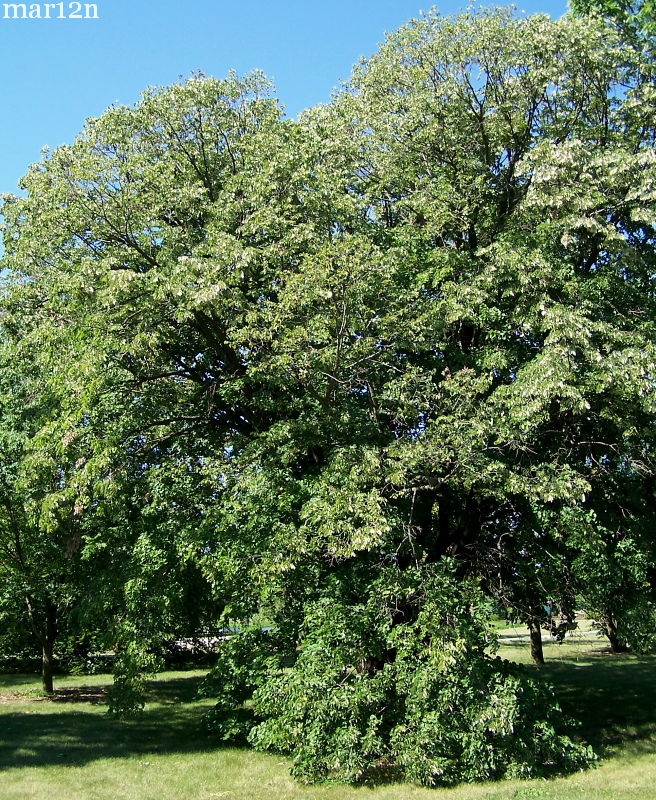
This Silver Linden is 67 years old.

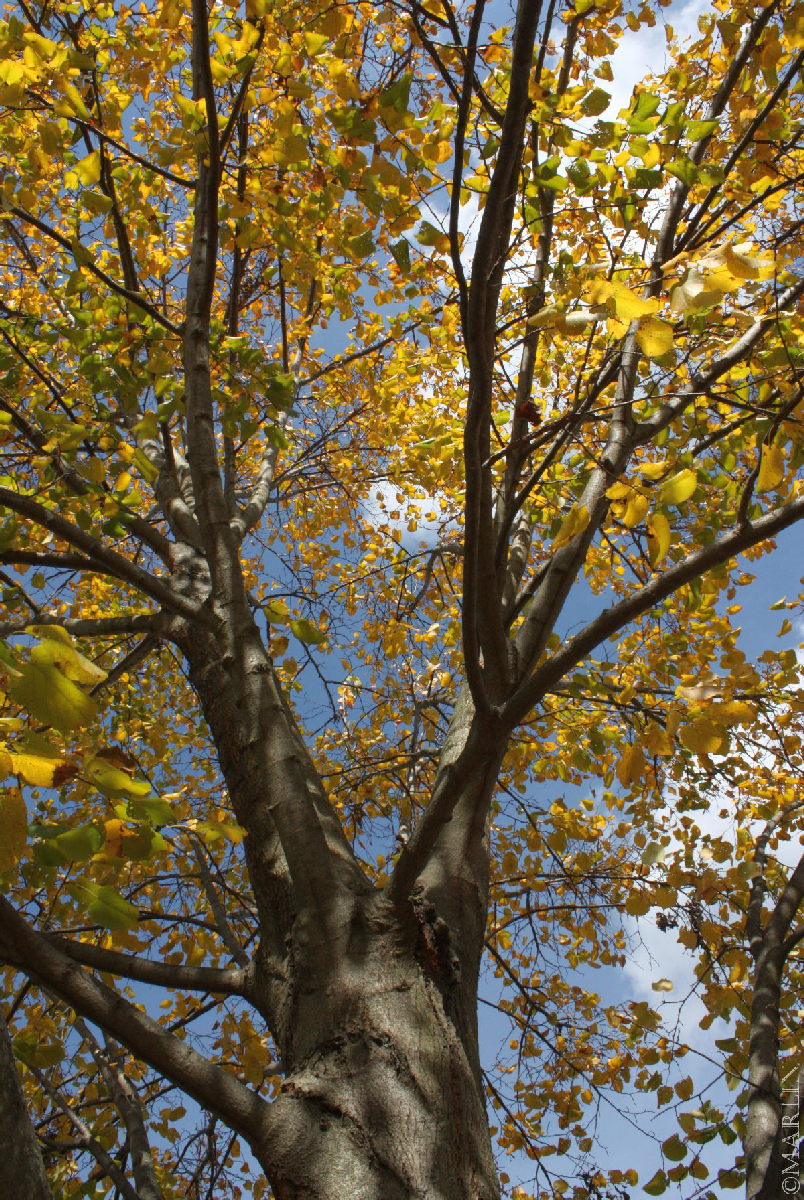
Linden trees are an excellent choice for the street or shade trees. They are especially hardy, tolerant of alkaline soils, visited by few destructive insects and exhibit a natural, pyramidal shape that requires little pruning. They produce small, round, persistent fruits that are attached to leaf-like appendages. These trees have attractive, golden yellow fall color.
American basswood is an important timber tree, especially in the Great Lakes States. The soft, light wood has many uses in wood products. The tree is also well known as a honey-tree, and the seeds and twigs are eaten by wildlife. It is commonly planted as a shade tree in urban areas of the eastern states where it is called American linden.
 

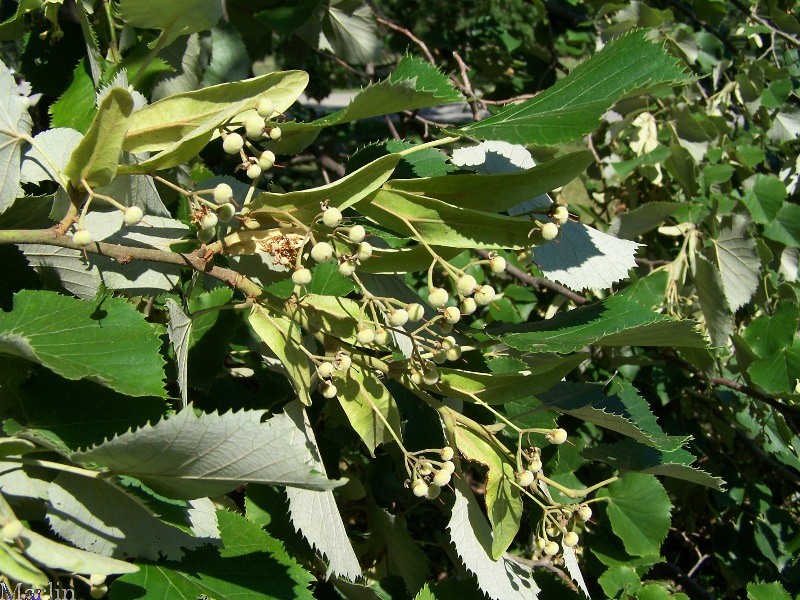
Linden bracts and nutlets

Flowering and Fruiting- The fragrant, yellow-white flowers are borne on loose cymes on long stalks attached to leafy bracts. Flowering generally occurs in June but can begin in late May or early July, depending on latitude and annual variations in temperature. Flowering follows initial leaf-out and lasts approximately 2 weeks. During this period, all stages of floral development are present on a single tree or even in a single inflorescence (4 to 40 flowers per inflorescence). The flowers attract a number of insect pollinators. In a study of the pollination biology, 66 species of insects from 29 families were identified as pollinators of Tilia flowers. Bees and flies were the most common diurnal pollinators; moths were the primary nocturnal visitors.

The fruit, a nutlike drupe 5 to 10 mm (0.2 to 0.4 in) in diameter, usually contains one seed but in collections from both open- and forest-grown trees, 12 percent of the fruit contained two seeds and
less than 1 percent contained three seeds. The seeds have a crustaceous seed coat (testa), a fleshy yellowish endosperm, and a well-developed embryo. A variety of forms of fruit and seed have been noted, including egg-shaped, round, onion-shaped, conical, and pentagonal. Individual trees tend to consistently produce fruit of a particular form and size.

Fruits ripen in September and October and are soon dispersed by such mechanisms as wind, gravity, and animals. although the flower bracts are reported to aid in wind dispersal, fruits rarely are carried more than one or two tree lengths from the parent. In addition to their limited role in seed dispersal, bracts may act as "flags" to attract pollinators (especially nocturnal ones) to the inflorescences. Animals probably increase the seed dispersal significantly. -- United States Department of Agriculture NRCS Plant Fact Sheet)


Silver Linden Bark

Linden, or Basswood has relatively soft wood that works exceptionally well and is valued for hand carving. The inner bark, or bast, can be used as a source of fiber for making rope or for weaving baskets and mats. Basswood flowers produce an abundance of nectar from which choice honey is made. In fact, in some parts of its range basswood is known as the bee-tree. Throughout the Eastern United States, Linden is frequently planted along city streets.

The number of native taxa in the genus Tilia has been debated for some time. As many as 15 native species and 13 varieties are named in early taxonomic work. Only three species of Tilia are now recognized in the United States, T. americana L., T. caroliniana Mill., and T. heterophylla Vent. Recent studies, however, suggest that the genus Tilia in eastern North America should be considered a single, but highly variable, species. In sampling Tilia from Quebec, Canada, to Lake County, FL, no apparent morphological discontinuities between populations were found to justify delimitation at the species level. (United States Department of Agriculture NRCS Plant Fact Sheet)

 
Custom Search

Cirrus Home | Tree Encyclopedia | Trees TOC | Tiliacae Table of Contents

© Bruce Marlin / Red Planet Inc.