Shagbark Hickory – Carya ovata
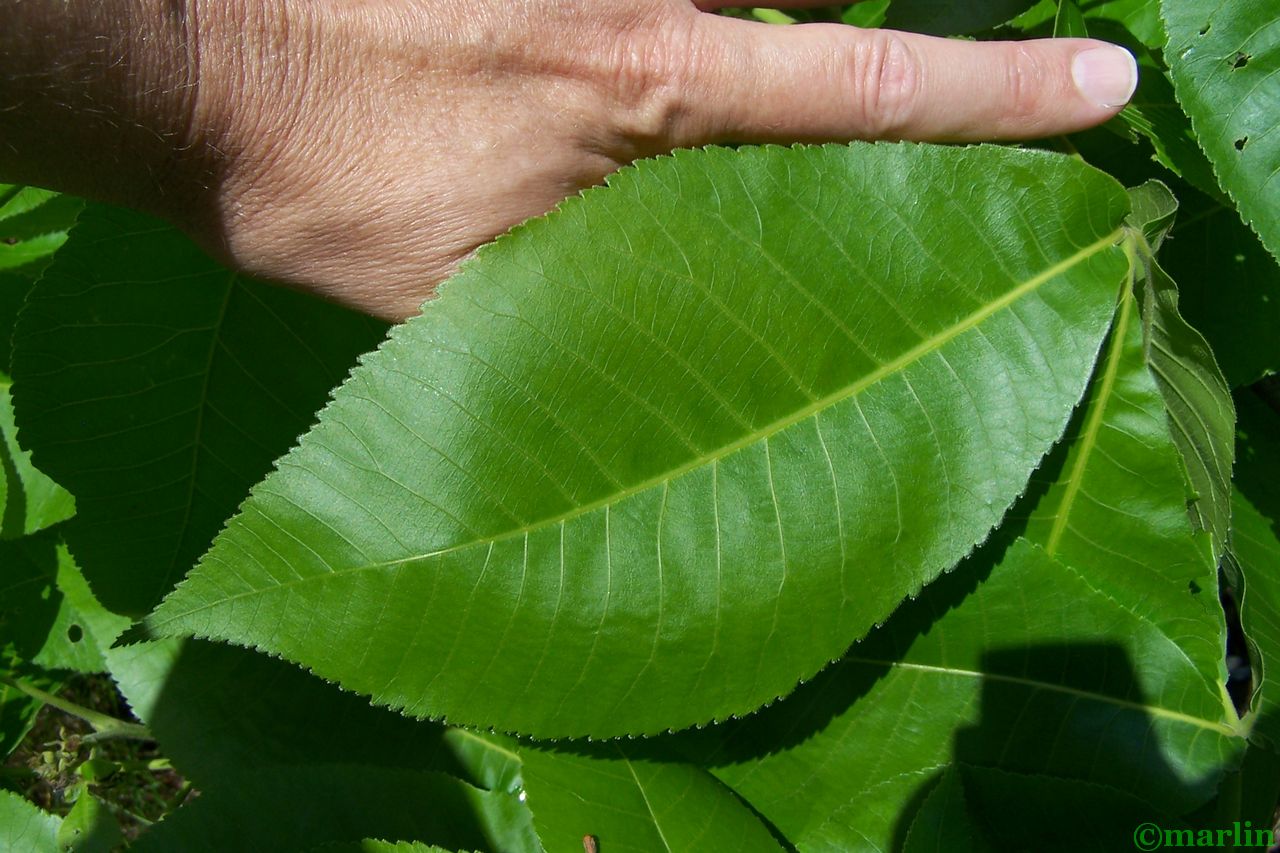
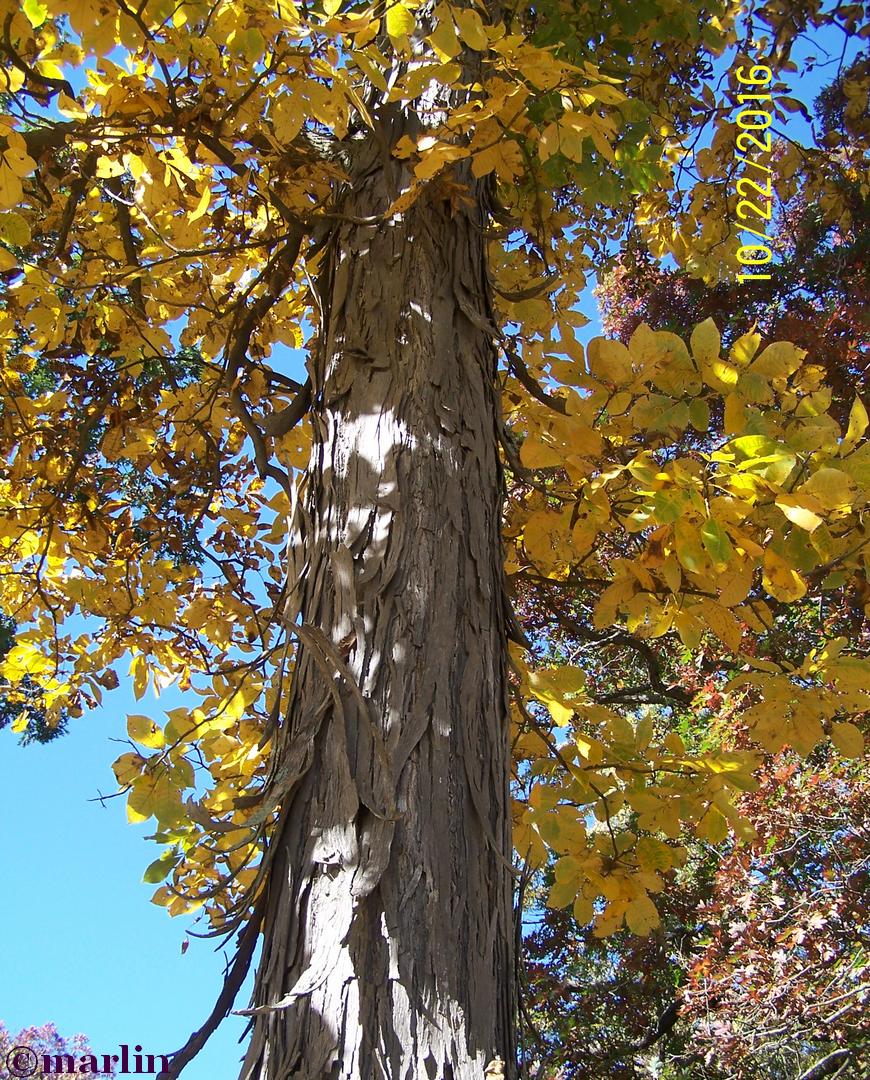
Shagbark hickory is probably the most distinctive of all the hickories because of its loose-plated bark.
Common names include shellbark hickory, scalybark hickory, shagbark, and upland hickory.
Shagbark is evenly distributed throughout the Eastern States and, together with pignut hickory, furnishes the bulk of the commercial hickory.
The tough resilient properties of the wood make it suitable for products subject to impact and stress. The sweet nuts, once a staple food for American Indians, provide food for wildlife.
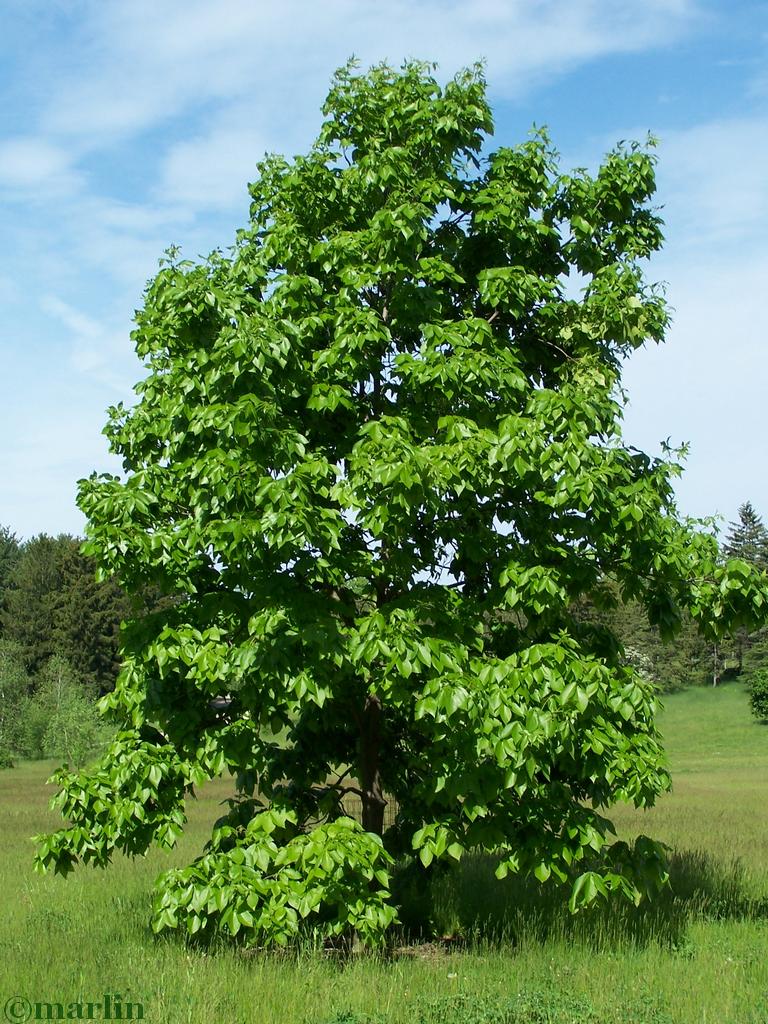
This shagbark at the Morton Arboretum was planted as an acorn 25 years ago. I’d say this demonstrates a fairly slow-growing tree. I’ve planted sugar maple that reached this size in less than 10 years.
Shagbark wood is hard, strong, tough and elastic, and is used in handles for tools and in athletic equipment. The wood also makes excellent firewood, and often is used in smoking meat.

Hickory nuts are variable in size and shape. The fruit ripens in September and October and seeds are dispersed from September through December.
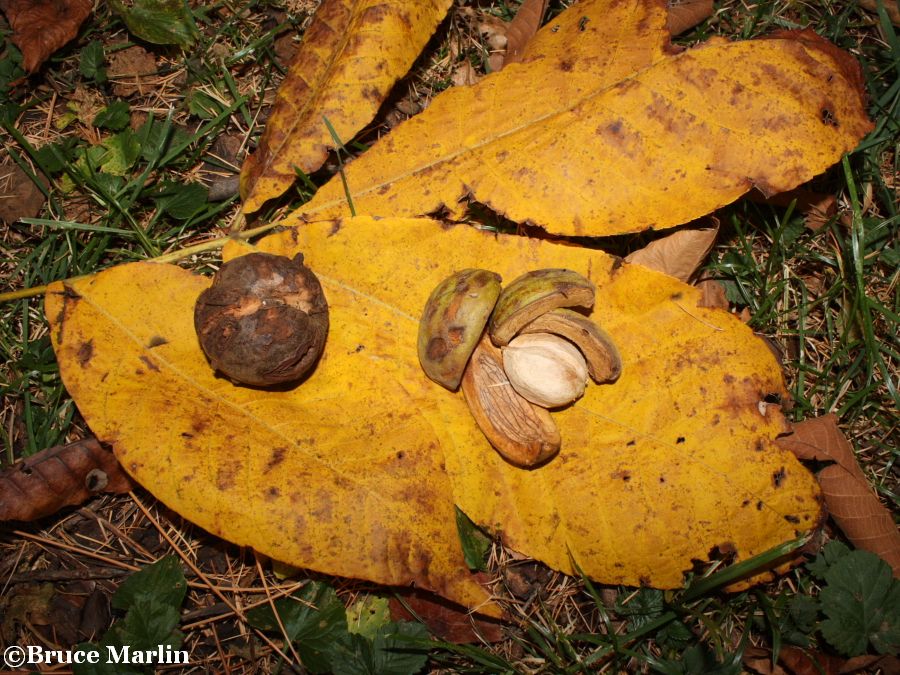
Husks are green prior to maturity and turn brown to brownish black as they ripen. The husks become dry at maturity and split freely to the base into four valves along grooved sutures. The enclosed nut is light brownish white, sweet and edible.
Hickory nuts are a preferred food of squirrels and are eaten from the time fruits approach maturity in early August until the supply is gone.
Black bears, gray and red foxes, rabbits, and white-footed mice plus bird species such as mallards, wood ducks, bobwhites, and wild turkey all eat hickory nuts.
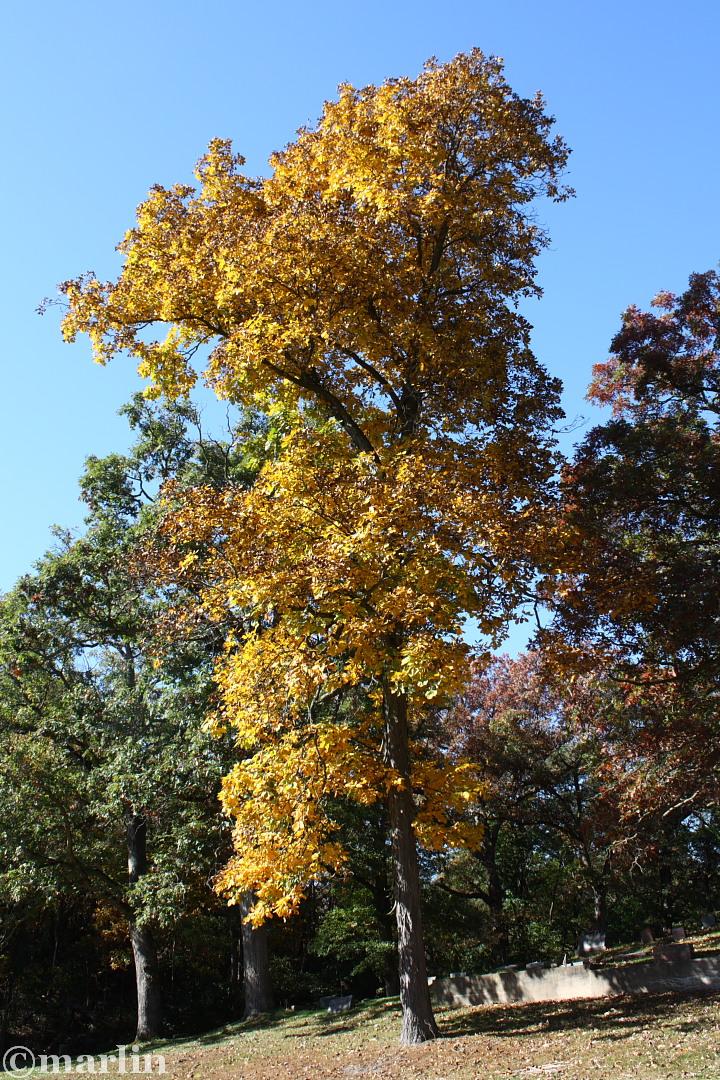
This 80-foot shagbark at Oregon, Illinois is resplendent in its fall butter-yellow foliage, a wonder to behold on a sunny say with a blue sky. There is something about standing under a yellow tree looking up at a blue sky.
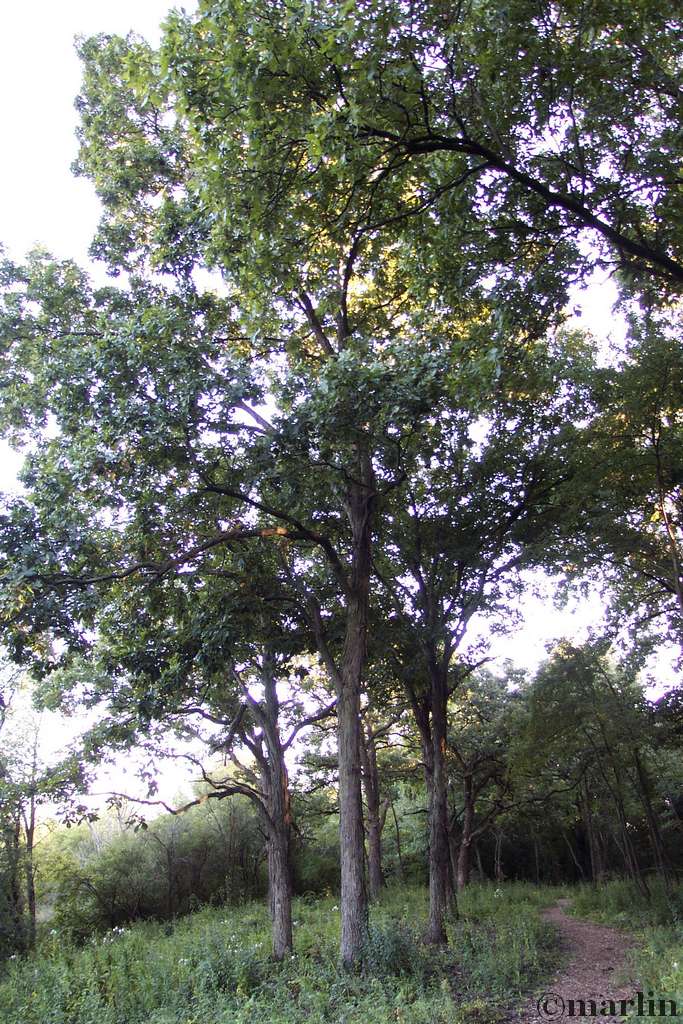
Shagbark hickory grows well in both dry and wet soil conditions, but prefers well-drained soils such as those found here, on a bluff overlooking the West Branch of the DuPage River in Northern Illinois.
This bluff is the site of a Late Woodland period aboriginal settlement responsible for the effigy burial mounds at Winfield, Illinois.
References
1. David L. Graney, USDA Forest Service Silvics Manual vol. 2 ‘Shagbark Hickory”
2. NATIONAL AUDUBON SOCIETY, National Audubon Society Field Guide to N. American Trees
Tree Encyclopedia / North American Insects & Spiders
Online since 2002