Little Walnut – Juglans microcarpa
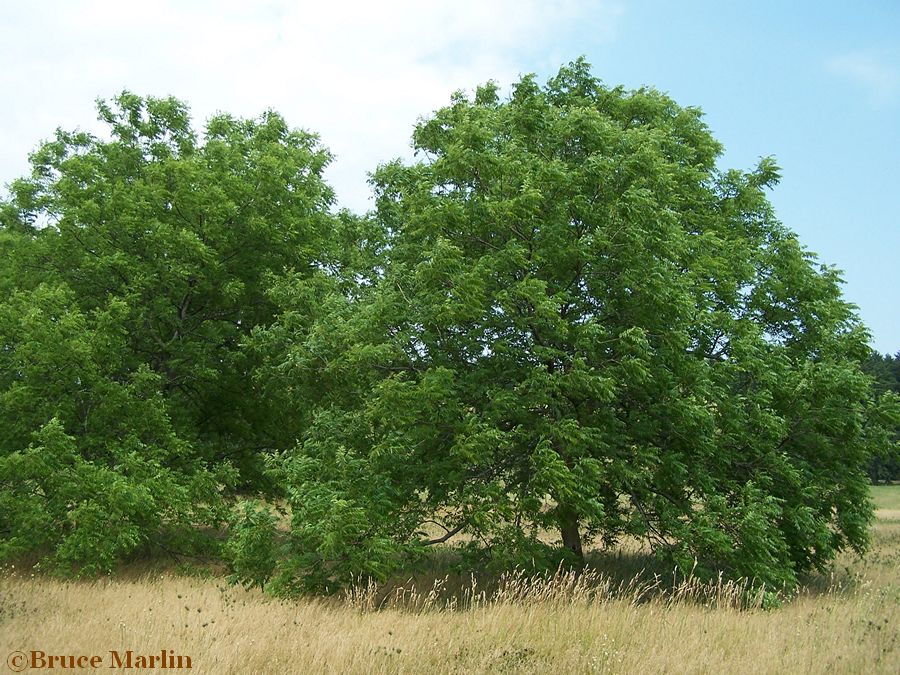
These Little Walnuts were started from seed 26 years ago
Commonly called Texas black walnut, dwarf walnut, river walnut, nogal, nogalillo, nogalito.
Little walnut is a small to medium tree growing to a height of 20 to 30 feet. Plants may have a single or multiple trunk with spreading low branches. The bark is gray to dark brown becoming deeply fissured with age.
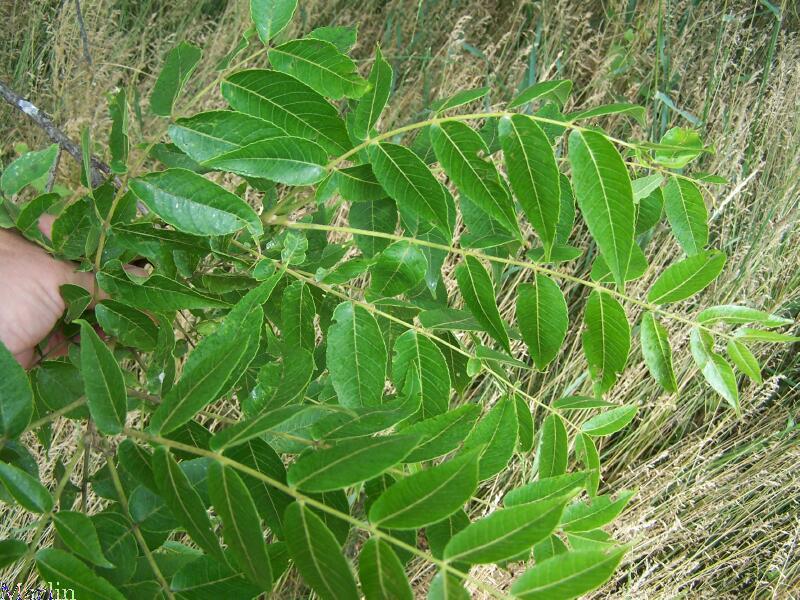
Little walnut has a long taproot allowing the plant to reach moisture from shallow water tables. alternate, odd-pinnately compound leaves are 9 to 12 inches long. The 11 to 25 narrow leaflets are serrate with small teeth. The leaves are dark yellow to green with a dull surface and the lower surface is somewhat paler.
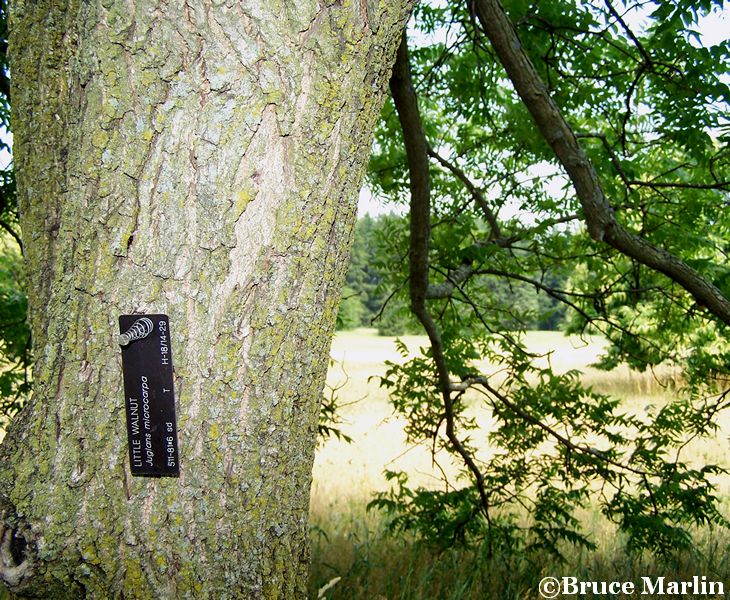
The wood of little walnut is dark brown, hard and heavy, but not strong. The sapwood of little walnut is a lighter reddish gray to white color. Little walnut wood is sometimes used to make cabinets, furniture, paneling, and veneer, but its lack of abundance limits its use. The nuts produced by this tree are consumed by wildlife and considered a valuable food source for many small mammals. In Texas, little walnut rootstock is used to establish non-native walnut types. Little walnut shows promise as a small tree for use in windbreaks and shelterbelts.
Little walnut is a native and grows from southwestern Kansas through Oklahoma and Texas, south into northeastern Mexico. Little walnut would commonly be located within the narrow riparian forests adjoining a river or creek bottom.
Family Rosaceae – Rose Family; Fruit Trees
Trees Index | Pine Family | Beech, Oak | Nut Trees | Birch Family | Magnolias
Tree Encyclopedia / North American Insects & Spiders is dedicated to providing family-friendly educational
resources for our friends around the world through large images and macro photographs of flora and fauna.
Online since 2002