Asian White Birch - Betula platyphylla
Family Betulaceae - Alders, Birches, Hornbeams
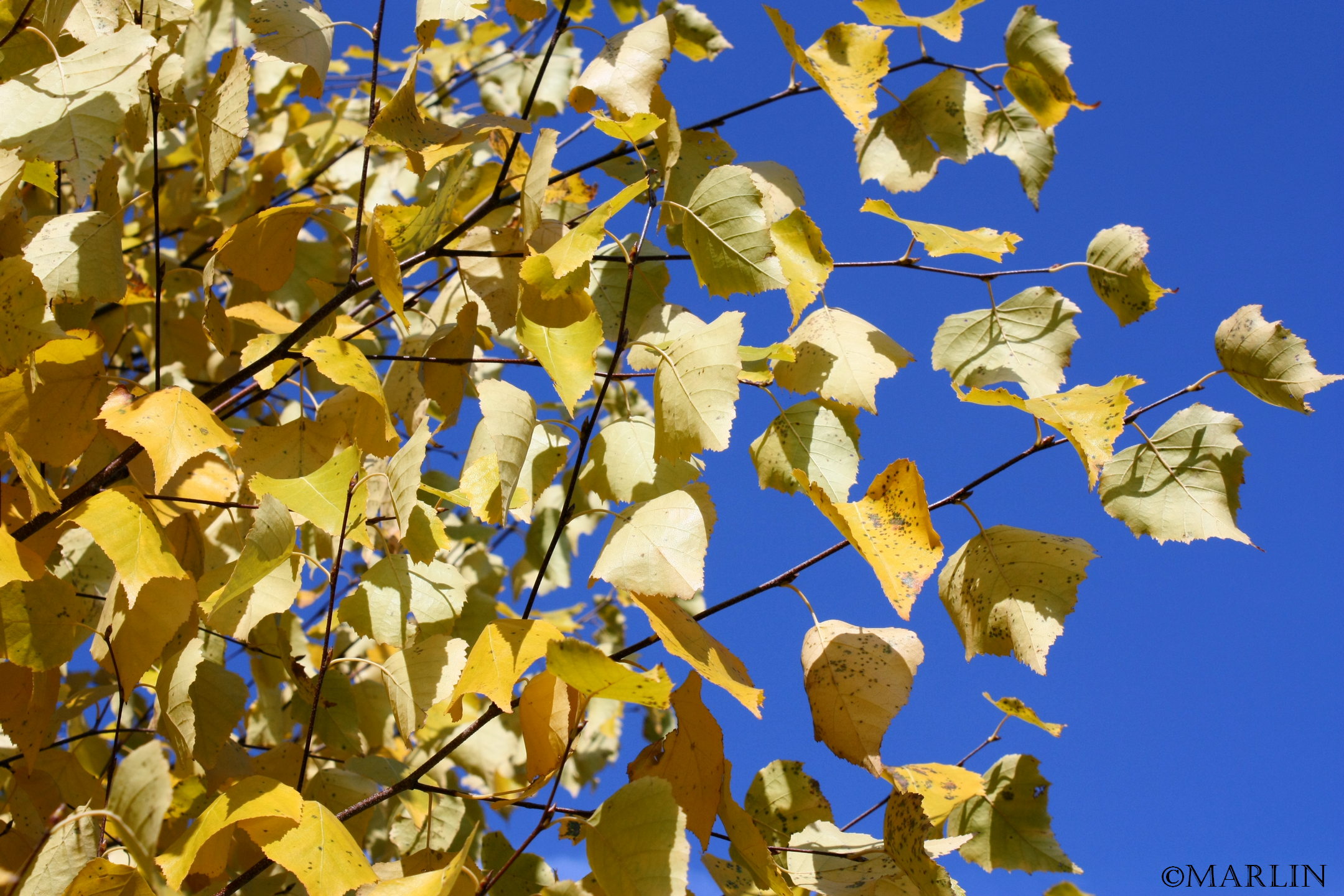
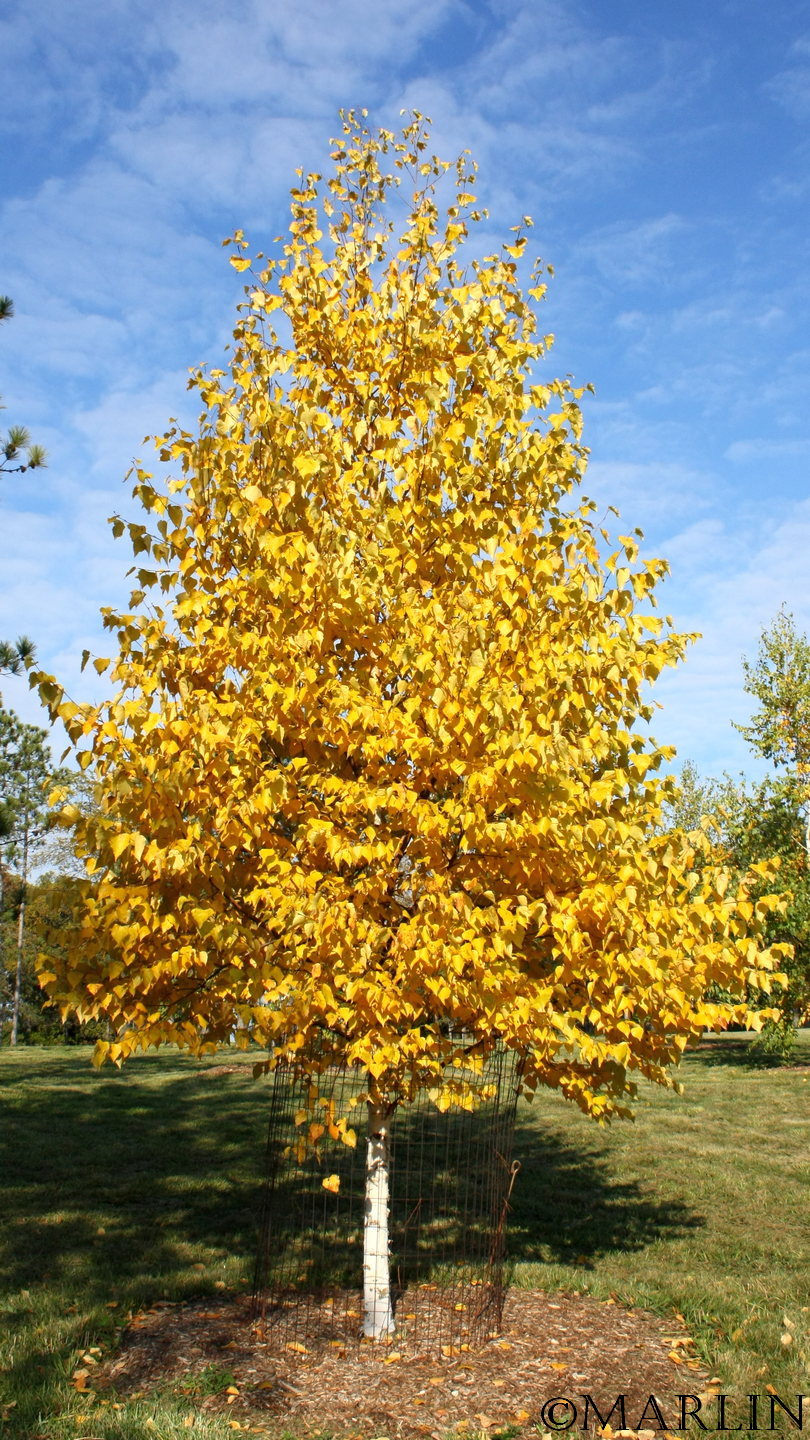
This outstanding ornamental boasts snow-white bark and outstanding yellow fall color.
Tree Encyclopedia | Tree Index | Rosaceae Index | Rose Family | Oak & Beech Family
Birch grows in climates ranging from boreal to humid and tolerates wide variations in precipitation. Its northern limit of growth is arctic Canada and Alaska, in boreal spruce woodlands, in mountain and sub alpine forests of the western United States, the Great Plains, and in coniferous - deciduous forests of the Northeast and Great Lakes states.
Separate male and female flowers are borne on the same tree; the male in the form of a catkin, and the female in cone-like clusters that fall from the tree and are blown for long distances by the wind. In the fall, the foliage turns pale yellow.

The graceful elegance of the birch allows it to be used as a specimen or for naturalizing, and is best used in large areas. It transplants easily and is most effective when planted in groupings. A multi-trunk specimen is more handsome than single-trunk trees. It should not be planted in high-use areas such as driveways, walks and patios, as dead branches tend to be messy. Periodic pruning is required to remove these branches; this can be done at any time of year. Although the river birch thrives in wet areas, it does not require excessive amounts of water. It tolerates fairly dry soils once it is established, but will not live as long. It requires acidic soils, suffering from iron deficiency if pH levels are 6.5 or higher.

Asian White Birch
Asian White Birch, Morton Arboretum acc. 578-2000*2, from seed, is 10 years old [1].
The bark of the Asian white birch is used in traditional herbal remedies as a tonic, haemetic, and to reduce inflammation. Chemical components with ascribed anti-fungal properties: Triterpenoids; lupeol, betulin, betulafolianediol, betulafolienetriol, oleanolic acid, platyphyllin, platypyllonol, betuloside, betuligenol, paeonol, betulafolienetetraol, betulafolienepentaol. Flavonoids; myricetin, myricitrin, hemiphloin, hyperoside [2]. The antioxidant and anticancer properties of Betula platyphylla var. japonica are also being investigated. [3]
Asian White Birch Autumn Foliage
Custom Search
Family Betulaceae - Alders, Birches, Hornbeams
The birches have long been popular ornamental trees in North America, chiefly in the northern United States and Canada. Several are native Americans, but many species have been introduced from Europe and Asia. Our specimens include river birch, Dahurian birch, paper birch, Arctic birch, Manchurian birch, Manchurian alder, downy birch, Japanese white birch, and 10 other species.   
Tree Encyclopedia | Trees Index | Elms & Zelkovas | Birch Index
© Red Planet Inc.