Arizona Walnut – Juglans major
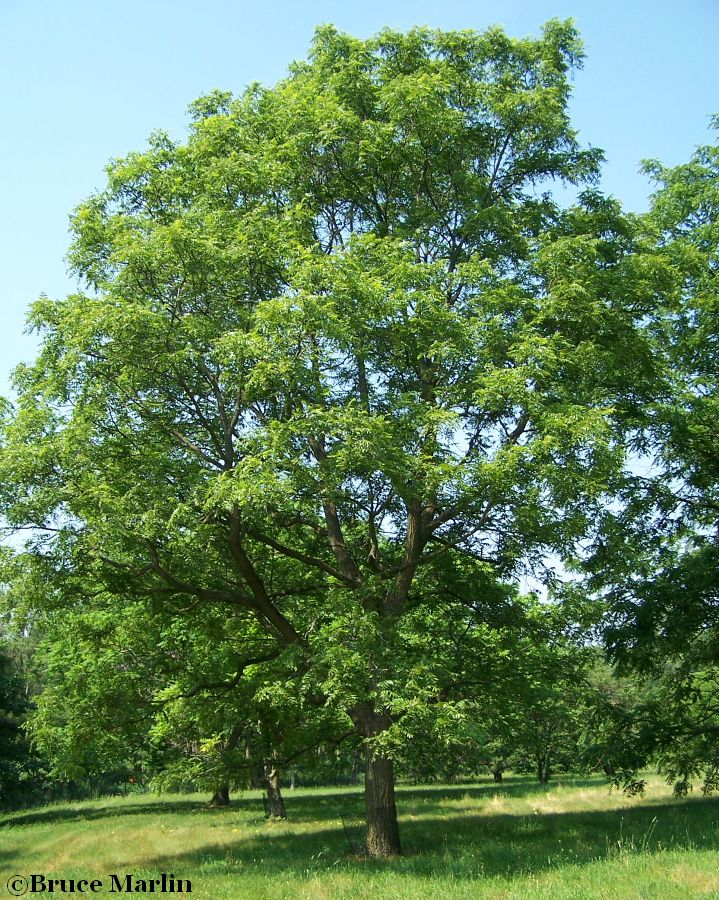
Some trees in the genus Juglans, most notably the Black and Persian walnuts, produce a chemical known as juglone, which can inhibit the growth of other plants. These chemicals are dissolved out of the leaves when it rains and are washed down to the ground below, reducing the growth of plants under the tree. The roots of many members of this genus produce substances that are toxic to many plant species.
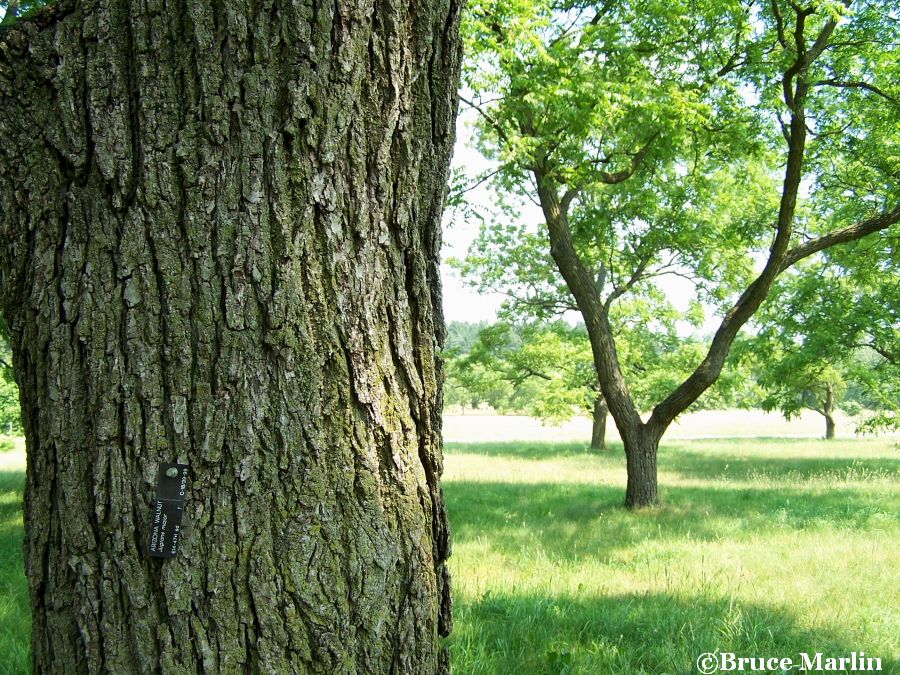
Many plants such as tomato, potato, blackberry, blueberry, azalea, mountain laurel, rhododendron, red pine and apple may be injured or killed within one to two months of growth within the root zone of these trees. The toxic zone from a mature tree occurs on average in a 50 to 60 foot radius from the trunk, but can be up to 80 feet. The area affected extends outward each year as a tree enlarges. Young trees two to eight feet high can have a root diameter twice the height of the top of the tree, with susceptible plants dead within the root zone and dying at the margins.
Not all plants are sensitive to juglone. Many trees, vines, shrubs, groundcovers, annuals and perennials will grow in close proximity to a walnut tree. Certain cultivars of “resistant” species are reported to do poorly. Black walnut has been recommended for pastures on hillsides in the Ohio Valley and Appalachian mountain regions. Trees hold the soil, prevent erosion and provide shade for cattle. The beneficial effect of black walnut on pastures in encouraging the growth of Kentucky bluegrass (Poa pratensis L.) and other grasses appears to be valid as long as there is sufficient sunlight and water.
1. Melvin J. Baughman and Carl Vogt Growing Black Walnut University of Minnesota
2. Rick Callahan, Associated Press July 2004 DNA test catches tree poachers in Indiana
3. Richard C. Funt, Jane Martin, Ohio State University HYG-1148-93: Black Walnut Toxicity
Family Juglandaceae – Nut Trees – Walnut, Hickory, Butternut, Pecan
The Walnut family is a large group of deciduous, aromatic trees including the commercially important nut-producing trees. The Persian walnut (Juglans regia) is one of the major nut crops of the world. Tree Encyclopedia | Tree Index | Juglandaceae Index