American Smoke Tree – Cotinus obovatus
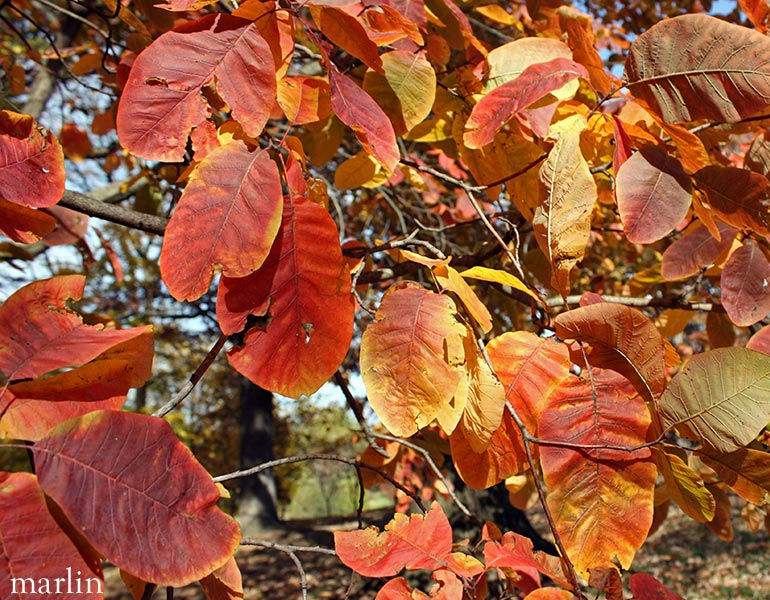
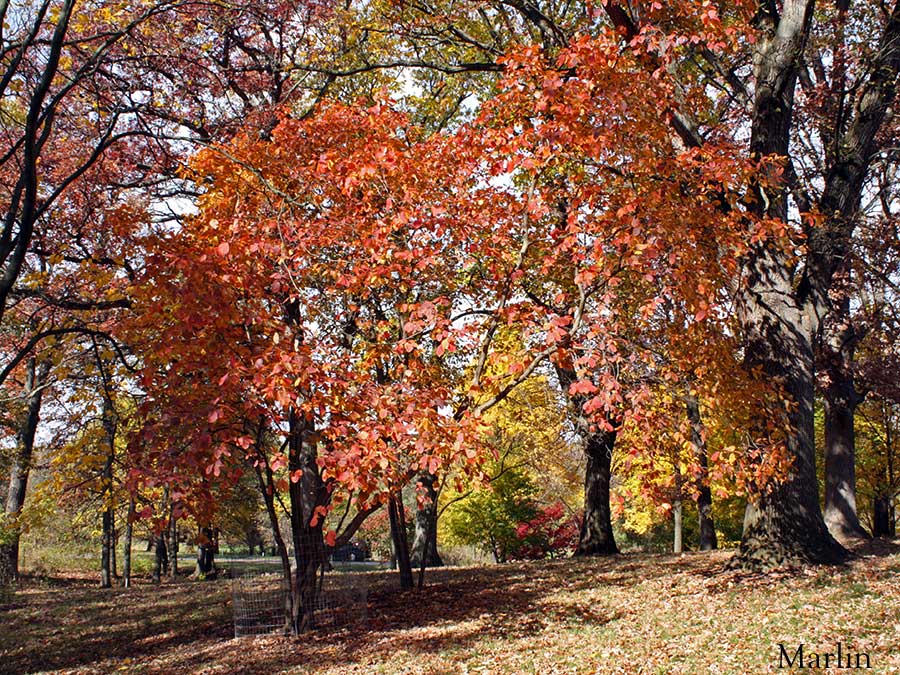
American smoketree is an upright, small tree or multi-trunked shrub, growing 15-30 ft. tall. Has a short trunk, open crown of spreading branches, resinous sap with a strong odor, and deep orange-yellow heartwood.
 American Smoke Tree is in the same family as poison ivy and cashew
Spring leaves are silky pink, becoming bluish to dark green. Fall leaves are magnificently colorful. A gnarled limb structure and the dark, flaking bark are other attributes. The masses of smoke-like fruit clusters with hairy stalks of sterile flowers give the species its common name.
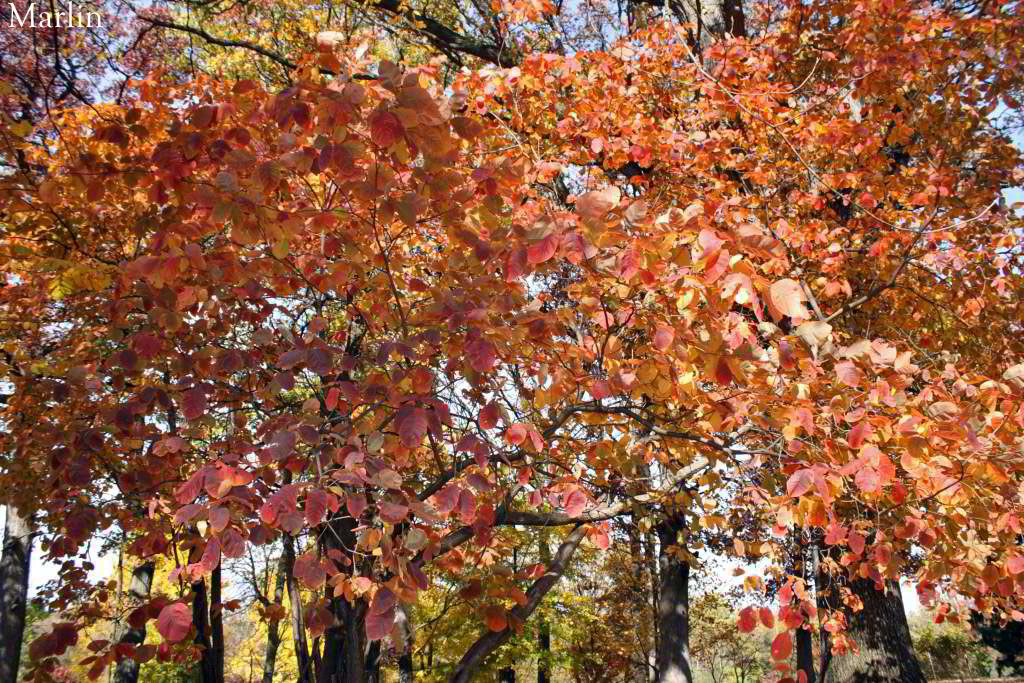 Outstanding fall foliage makes American smoke tree an attractive specimen or group planting
Native to rocky, usually mountain soils from Kentucky, Tennessee, and northern Alabama west to Oklahoma, with disjunct populations in a few counties of central Texas, Cotinus obovatus is an outstanding small, ornamental tree. Its bark is decorative, its leaves are soothing blue-green in spring and summer and flaming oranges and reds in fall, and its flowers form ethereal clouds of pink and purple in spring. The floral panicles wave in the breeze, giving the illusion of clouds of smoke. It is drought-tolerant, disease-resistant, well-adapted to the stony soils of its native habitat, and should not be over-watered or over-fertilized.
Family Anacardiaceae, with about sixty genera, includes some culinary and horticultural stars, but also some miserable members as well. Besides flower structure, the common thread for the Cashew family is the presence in greater or lesser amounts of a phenolic compound called urushiol, which is the oil that casues itching and dermatitis when humans come in contact with Poison Ivy, Poison Oak and Poison Sumac.
Those folks who are very allergic to these plants might discover some discomfort caused by eating or coming into contact with Mango, Cashew and Pistachio, all members of this family.
Trees Index | Pine Family | Beech, Oak | Nut Trees | Birch Family | Magnolias | Rose Family
Tree Encyclopedia / North American Insects & Spiders is dedicated to providing free, family-friendly
educational resources for our users through large images and macro photographs of flora and fauna.
Online since 2002