Olive-shaded Bird Dropping Moth – Ponometia candefacta
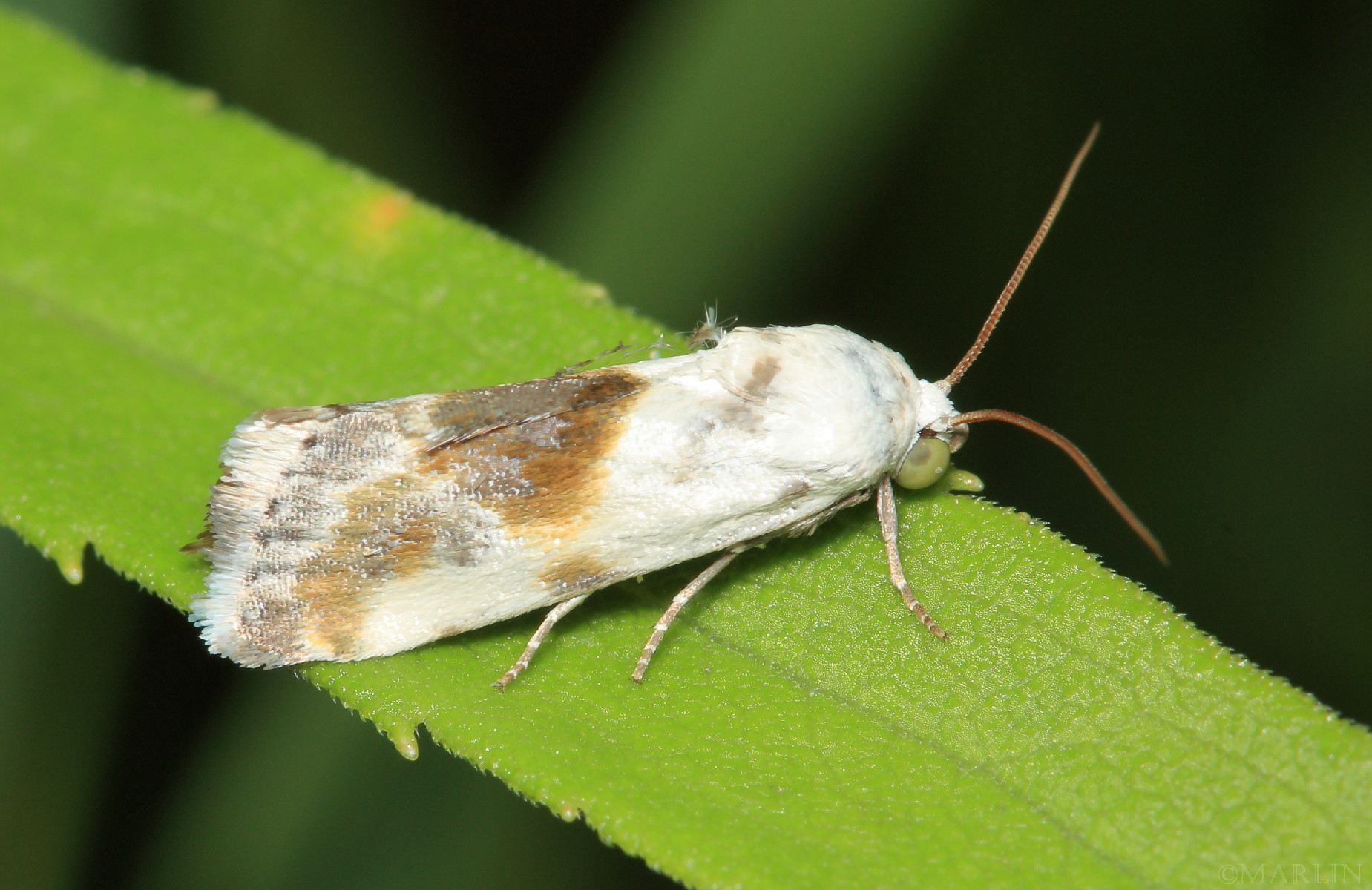
Hodges#9090
Superfamily Noctuoidea / Family Noctuidae (owlet or cutworm moths).
Live adult moth photographed in the wild at Black Partridge Forest Preserve, Lemont, Illinois
This moth’s bird poop camouflage is among the best in the animal kingdom. Really clever!
Worldwide in distribution, Noctuidae is the largest family in Lepidoptera, with about 20,000 species, 2,900 of which are found in North America. Commonly called Owlet Moths or Miller Moths; the cutworms, armyworms, cabbage looper, and corn earworm are some of the serious agricultural pests occurring in this family.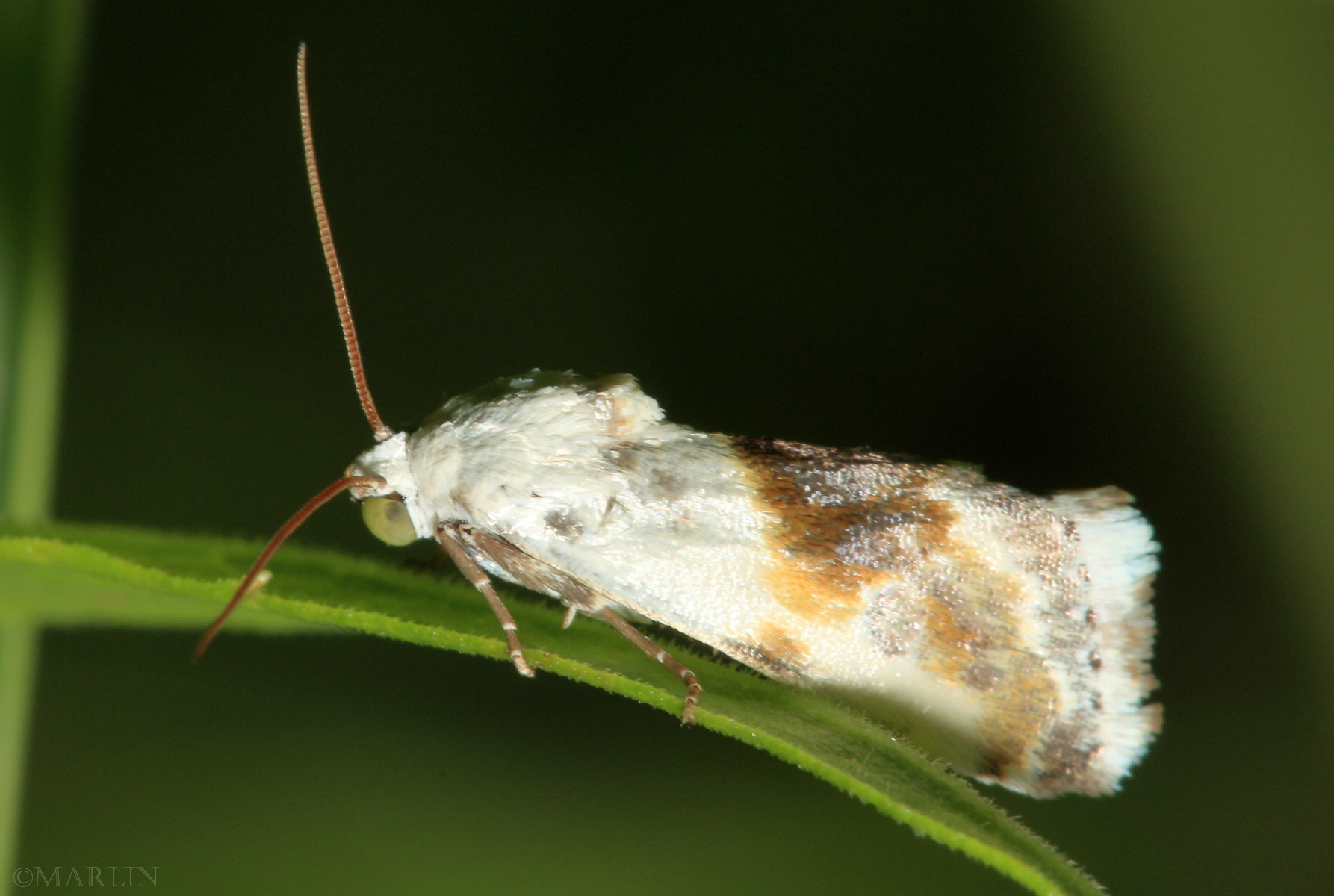
Most noctuid moths are drab gray or brown, and have lines or spots on their wings. When at rest, adults hold their wings above their bodies like a roof. Noctuids can be nocturnal or diurnal. Larvae feed on plant foliage, dead leaves, lichens, and fungi; some species are leaf miners, or leaf-borers. Noctuids pupate in cells in soil, in plant cavities, or in silk cocoons.
References
- Bugguide.net, “Ponometia candefacta“
Butterfly Index | Moth Pictures | Moths Index | Skipper Butterflies
Tree Encyclopedia / North American Insects & Spiders is dedicated to providing family-friendly educational
resources for our friends around the world through large images and macro photographs of flora and fauna.
Online since 2002