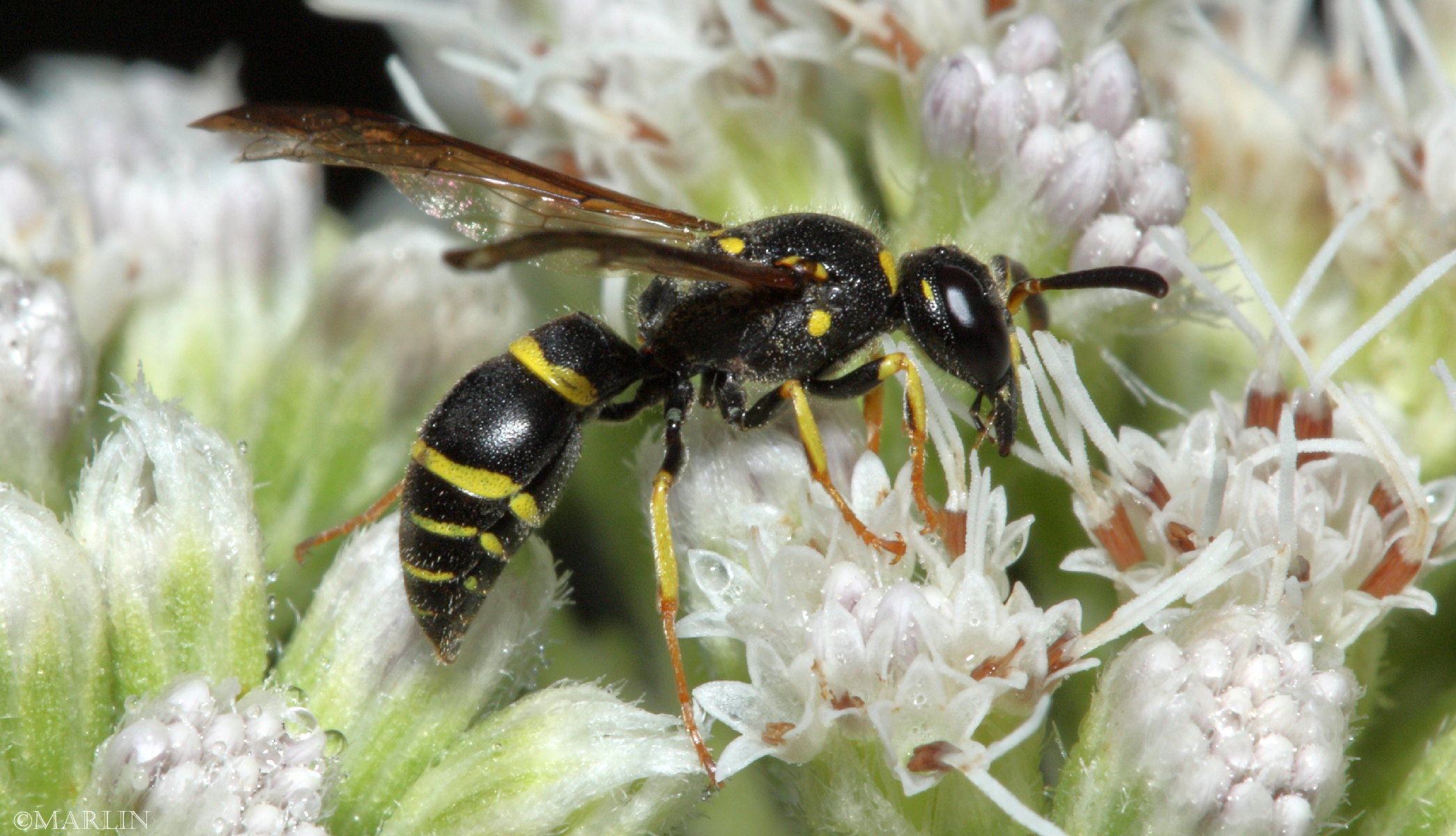
Potter Wasp and Mud Pot Nest – Euodynerus species
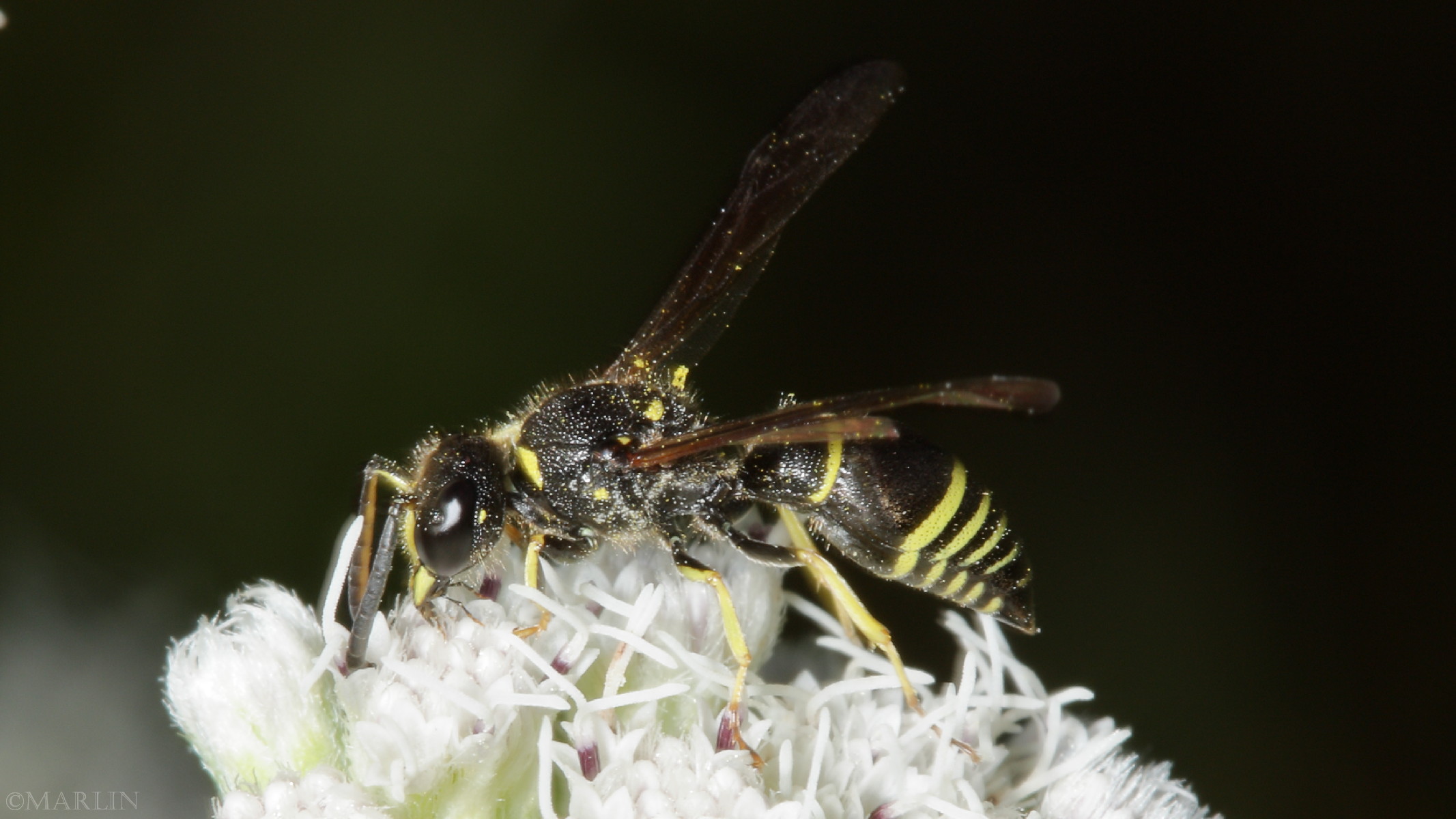
Family Vespidae – hornets, paper and potter wasps, yellowjackets.
Live adult wasps photographed in the wild at Winfield, Illinois. Size: 13mm
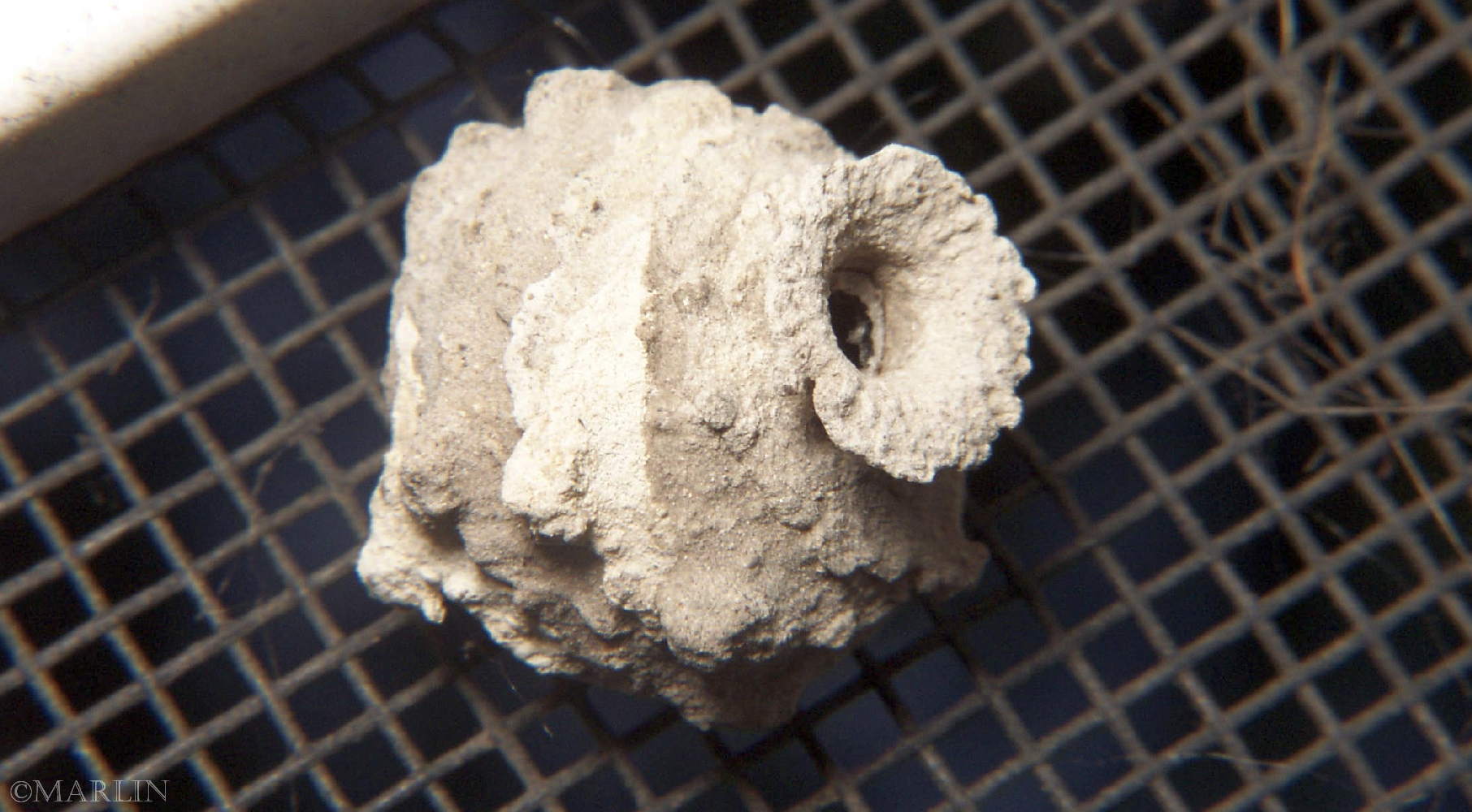 Single-cell mud pot nest
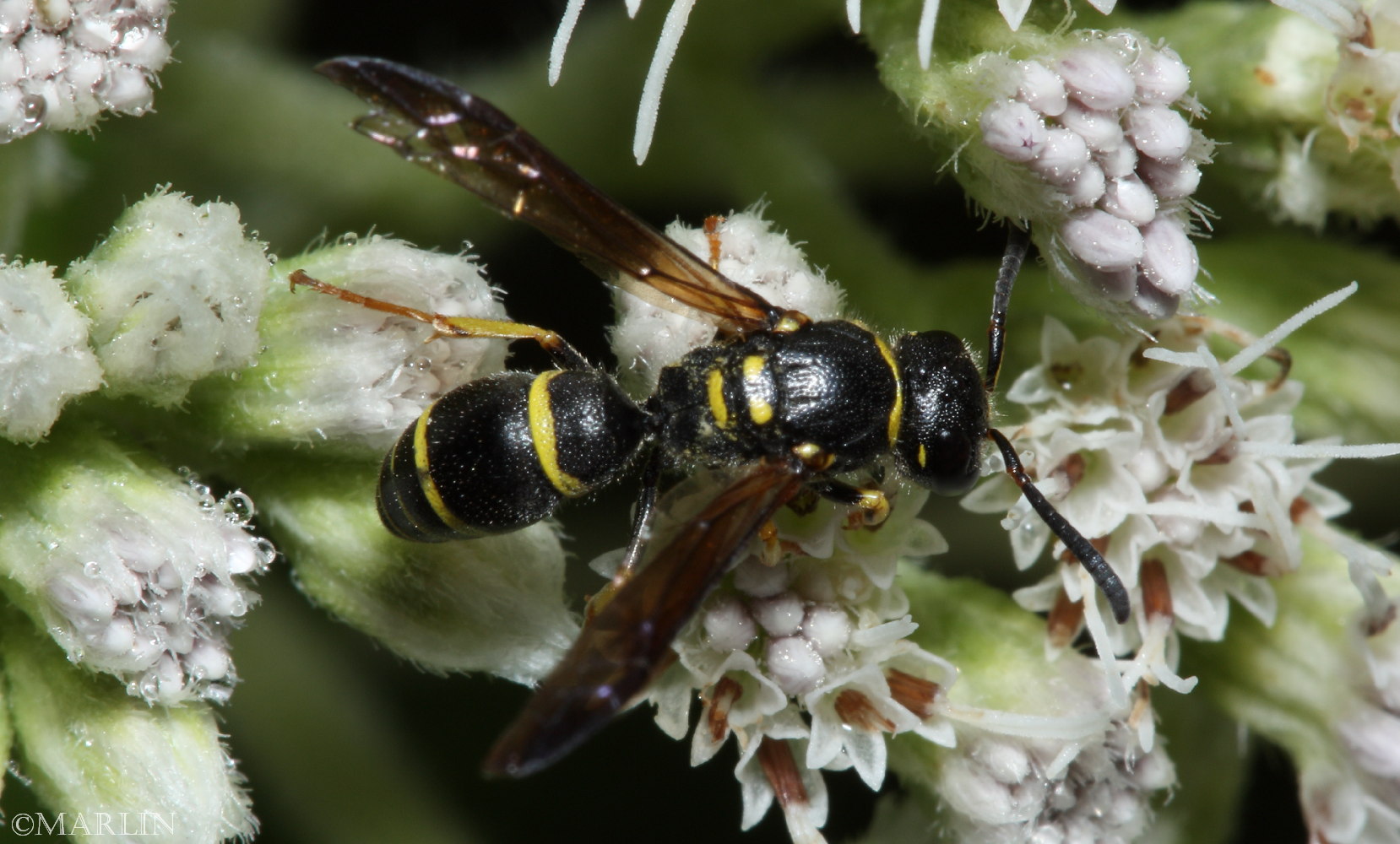
Potter wasps construct mud “pots” or nest in underground burrows, cavities in plant stems, or abandoned nests of other wasps. Adult potter wasps are commonly seen on the ground searching for prey or nectaring at flowers. They are common and can be numerous. I have encountered them thousands of times, and never once have they taken notice of me. I’ve never heard of anyone being stung by one.
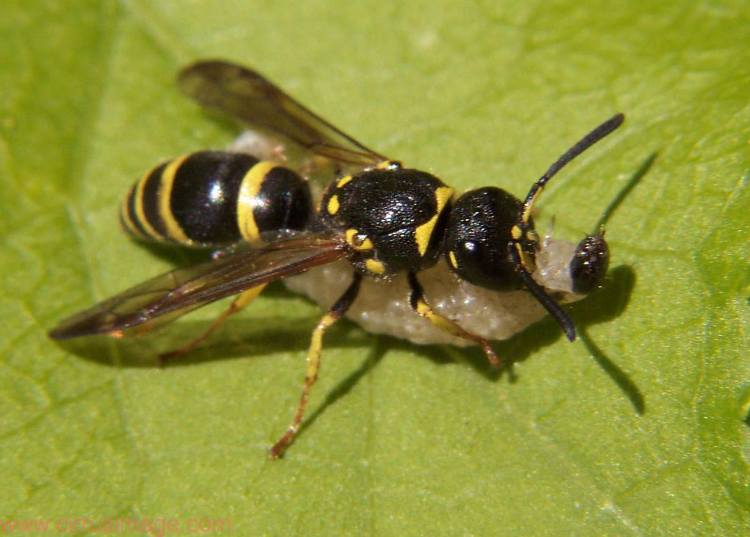 This female potter wasp has captured and paralyzed a caterpillar with which to provision her mud pot egg chamber.
After hatching, the wasp larva eats the still-living host.
Potter wasps nests can have one or more individual cells. When a cell is completed, the adult wasp collects a beetle larvae, spider or caterpillar and paralyzes it with venom and places it in the cell to serve as fresh, living food for the larva. In a few species, the adult wasp lays a single egg in the opening of the cell, suspended from a thread of dried fluid. When the wasp larva hatches, it drops and immediately feeds upon the larvae, and later breaks out of the nest to begin its adult life. Adult potter wasps feed on plant nectar.
Insects & Spiders | Bees & Wasps Index | Bees & Wasps Main | Bee Flies | Robber Flies
Tree Encyclopedia / North American Insects & Spiders is dedicated to providing family-friendly educational
resources for our friends around the world through large images and macro photographs of flora and fauna.
Online since 2002