American Sycamore Tree
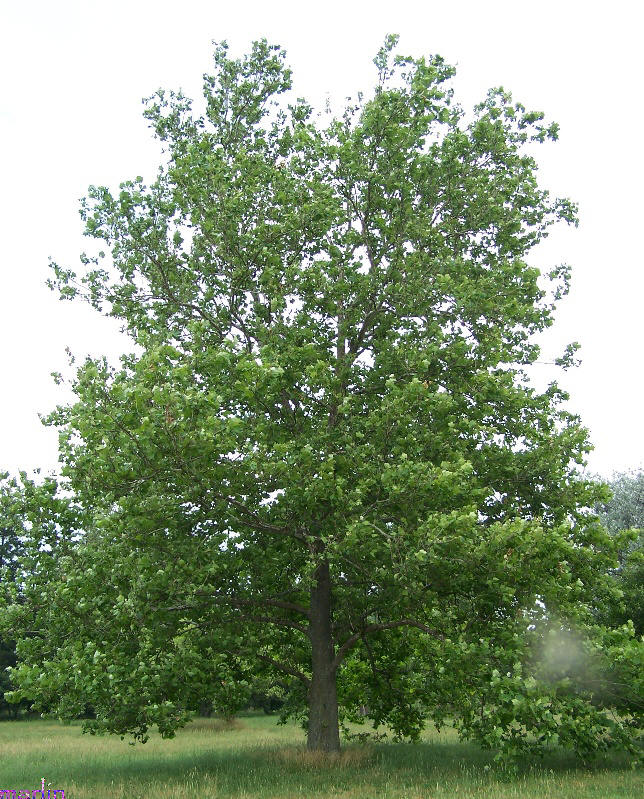
AKA Western Planetree, American planetree, buttonwood, and buttonball-tree
 This massive Sycamore at White Pines State Park in Illinois has twin trunks nearly four feet across
The American sycamore (Platanus occidentalis) is easily recognized by its nearly white, mottled, exfoliating bark. The bark of all trees has to yield to a growing trunk; in the case of the Silver Maple and the Shagbark Hickory the process is not hidden, but the Sycamore shows the fact more openly than any other tree.

These huge sycamores can be see at the The Morton Arboretum near Hemlock Hill on the west side
Platanus occidentalis is readily identifiable with broad, maplelike leaves and a trunk and limb complexion of mixed green, tan and cream. Some suggest it looks like camouflage. It is a member of one of the planet’s oldest clan of trees (Platanaceae) and paleobotanists have dated the family to be over 100 million years old. A long-lived Sycamore tree can reach six hundred years.
The deciduous sycamore is fast growing and sun-loving, “growing seventy feet in seventeen years” on a good site. Very often it divides into two or more trunks near the ground and its massive branches form a wide, irregular crown.
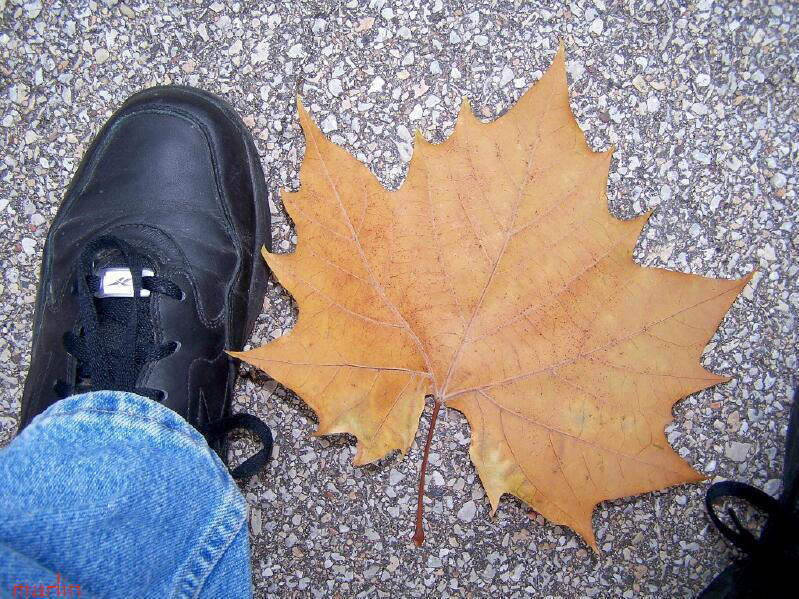
The outer bark peels away to create a mottled patchwork of tans, whites, grays, greens and sometimes yellows. The inner bark is usually smooth. The leaves are very large with 3 to 5 leaf lobes and are often 7 to 8 inches long and wide. These pictures were taken on bottomlands along the the DuPage River, near Winfield IL.
Other common names are American planetree, buttonwood, American sycamore, and buttonball-tree. It is a fast-growing and long-lived tree of lowlands and old fields. Sycamore is valuable for timber and is also widely planted as a shade tree because of its distinctive white, exfoliating bark and broad, dense crown. Recently, it has become a favored species for use in intensively cultured “biomass farms” in the Southeastern United States.
Trees Index | Pine Family | Beech, Oak | Nut Trees | Birch Family | Magnolias | Rose Family
Tree Encyclopedia / North American Insects & Spiders is dedicated to providing free, family-friendly
educational resources for our users through large images and macro photographs of flora and fauna.
Online since 2002