Family Meloidae – Blister Beetles
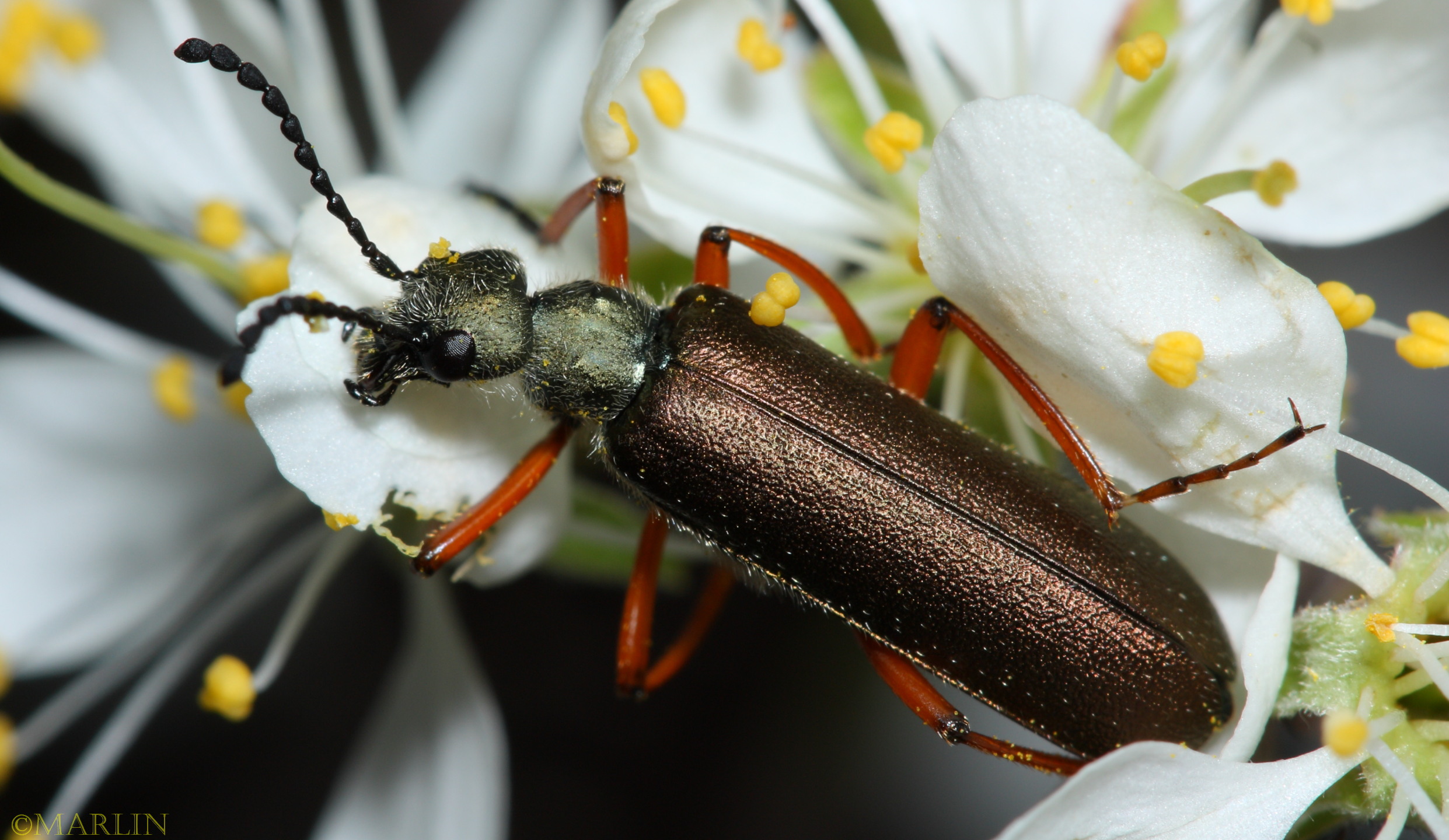 Lytta aenea feeding on Blackthorn Sloe, Prunus spinosa
Blister beetles produce cantharidin, a poisonous substance comparable to cyanide and strychnine in toxicity. Stored in the insects’ blood, the compound is stable and remains toxic even in beetle carcasses. Animals may be poisoned by ingesting beetles while grazing or eating harvested silage. Cantharidin can also cause severe skin inflammation and blisters.
Cantharidin is absorbed through the intestine and can cause symptoms such as inflammation, colic, straining, elevated temperature, depression, increased heart rate and respiration, dehydration, sweating, and diarrhea. There is frequent urination during the first 24 hours after ingestion, accompanied by inflammation of the urinary tract. This irritation may also result in secondary infection and bleeding. Taken internally, as little as 10 milligrams can be fatal in humans.
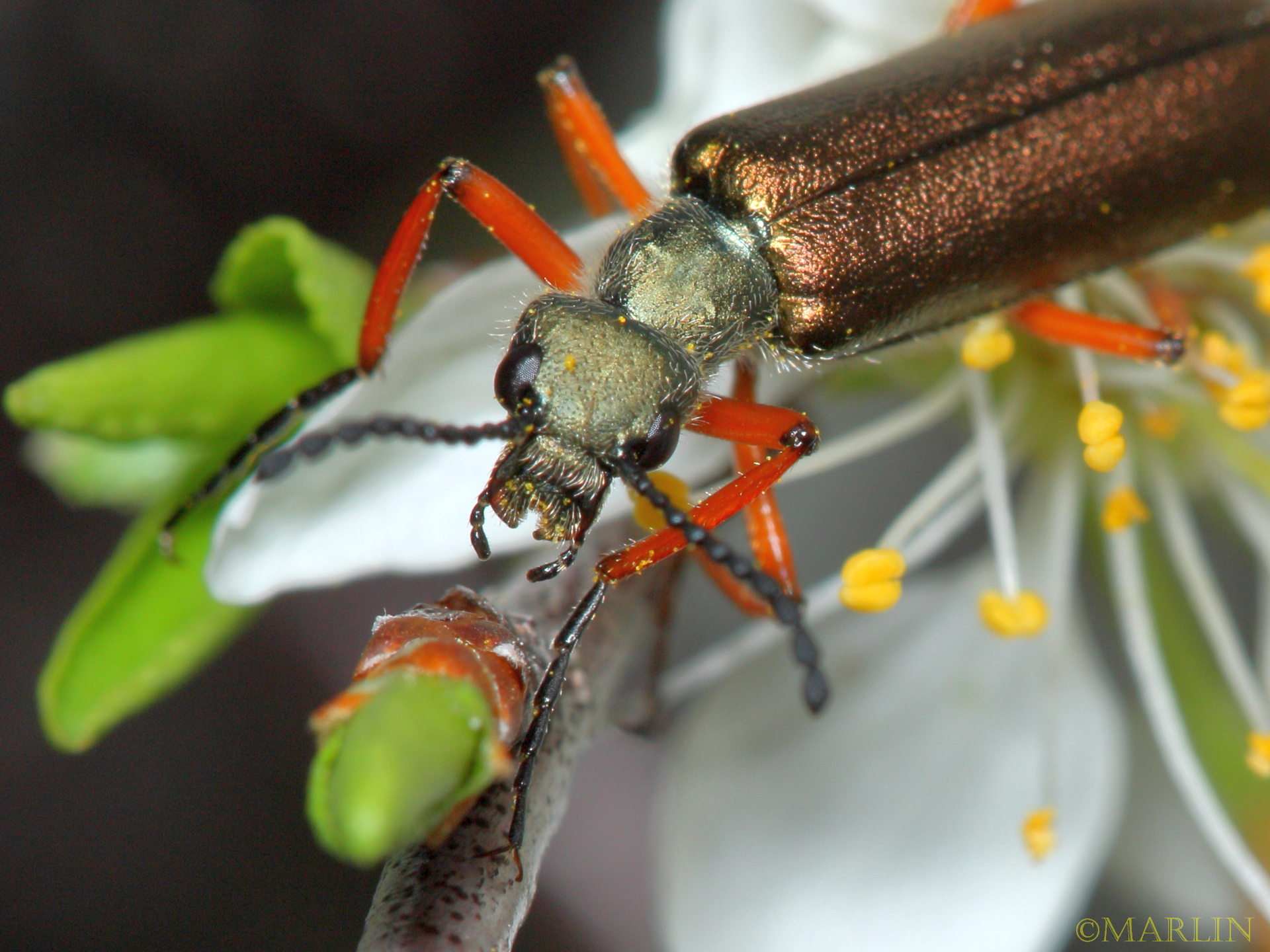
The concentration of cantharidin in adult beetles depends primarily on the sex; males produce the chemical and only pass on small amounts to the females during mating. Cantharidin amounts also depend on species; the striped blister beetle has approximately five times more catharidin than the black variety. In one species, Méloé proscarabaeus, cantharidin makes up fully 1/4 of the insect’s blood. There are other insects, including some beetles, flies, bugs that eat live or dead blister beetles to obtain the protective qualities of this chemical defense; these so-called cantharidinophilous insects have acquired immunity from the chemical and remain unharmed. [2]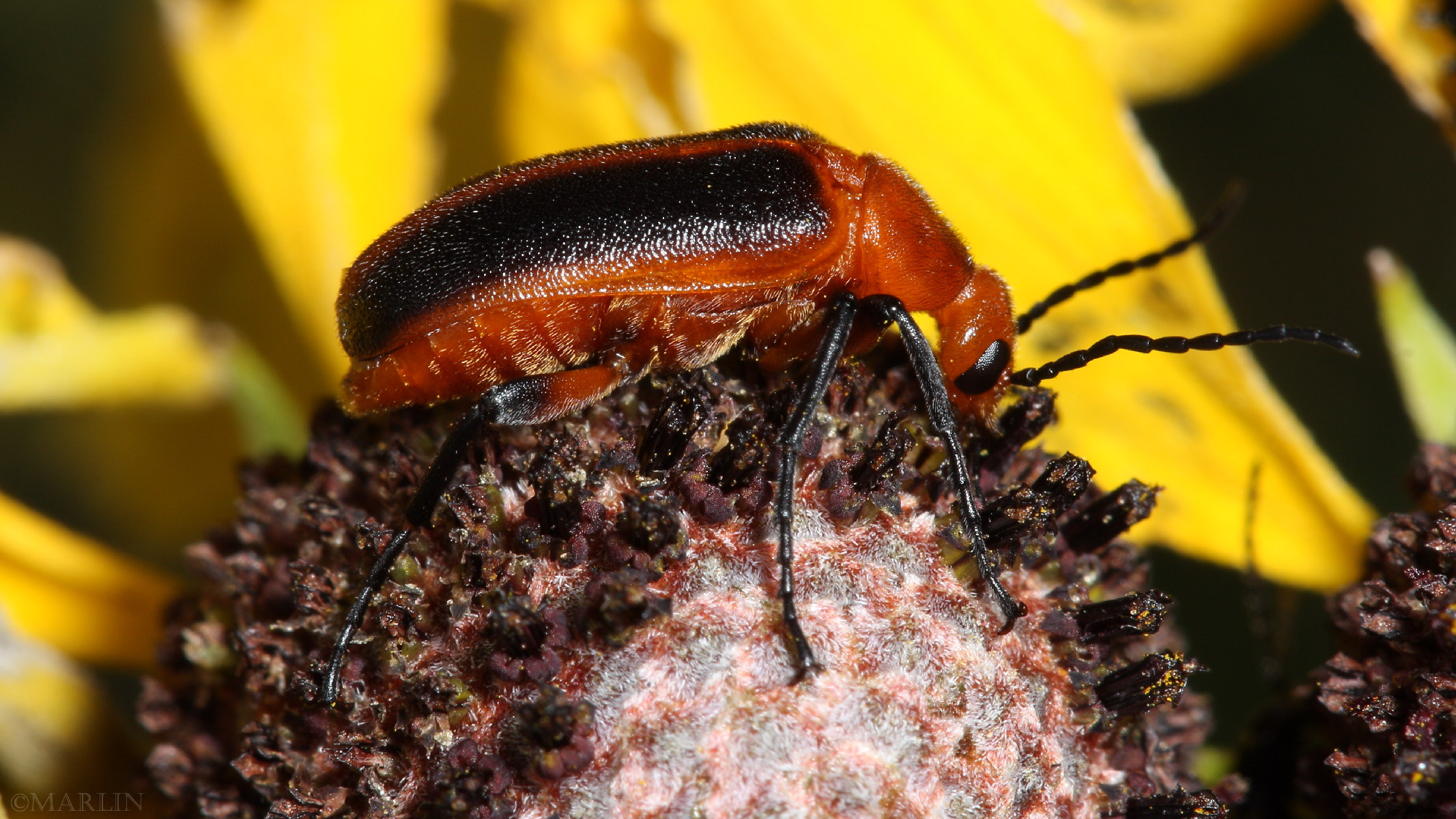 Orange Blister Beetle
Male fire-colored beetles in the family Pyrochroidae are known to climb onto blister beetles and ingest the cantharidin exuded by the insect. Completely immune to the effects of the blistering agent, they use the chemical to attract females, who become the recipients of a cantharidin-laden sperm packet with which they coat their eggs.
References
- Bugguide.net, Blister Beetle Lytta aenea
- Professor E. David Morgan, Chemical Ecology Group, Laboratory School of Physical and Geographical Sciences, Keele University, Staffordshire U.K., Red Planet Inc., “Blister Beetles”
Beetles Index | Longhorns | Leaf Beetles | Soldier | Blister | Lady | Scarab Online since 2002