Hieroglyphic Moth – Dipthera festiva
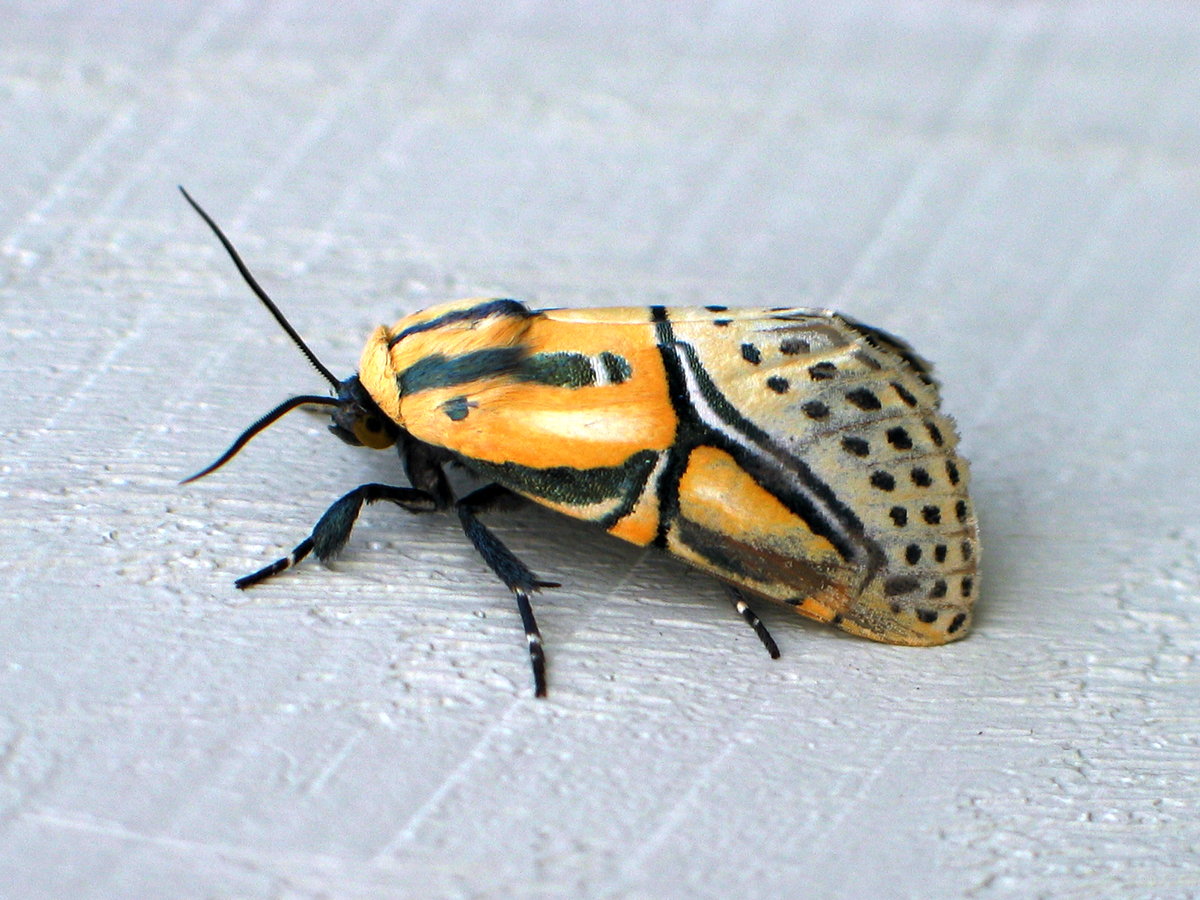
Family Noctuidae – Owlet Moths
The Noctuidae, or owlet moths, is a family of robustly-built moths that includes more than 35,000 known species 4,200 genera. They constitute the largest family in the Lepidoptera. Most have drab forewings, although some have brightly colored hindwings. There are usually few differences between the sexes. The overwhelming majority of noctuids fly at night and are almost invariably strongly attracted to light.
Many are also attracted to sugar and nectar-rich flowers. Some of the family are preyed upon by bats. However, these members have developed an evasive system whereby upon hearing the high pitched note which is emitted by the bat to locate its prey, a tiny organ in the ear sends muscles in the wings into spasm – causing the moth to dart around erratically. This random movement has the effect of evading the incoming bat.
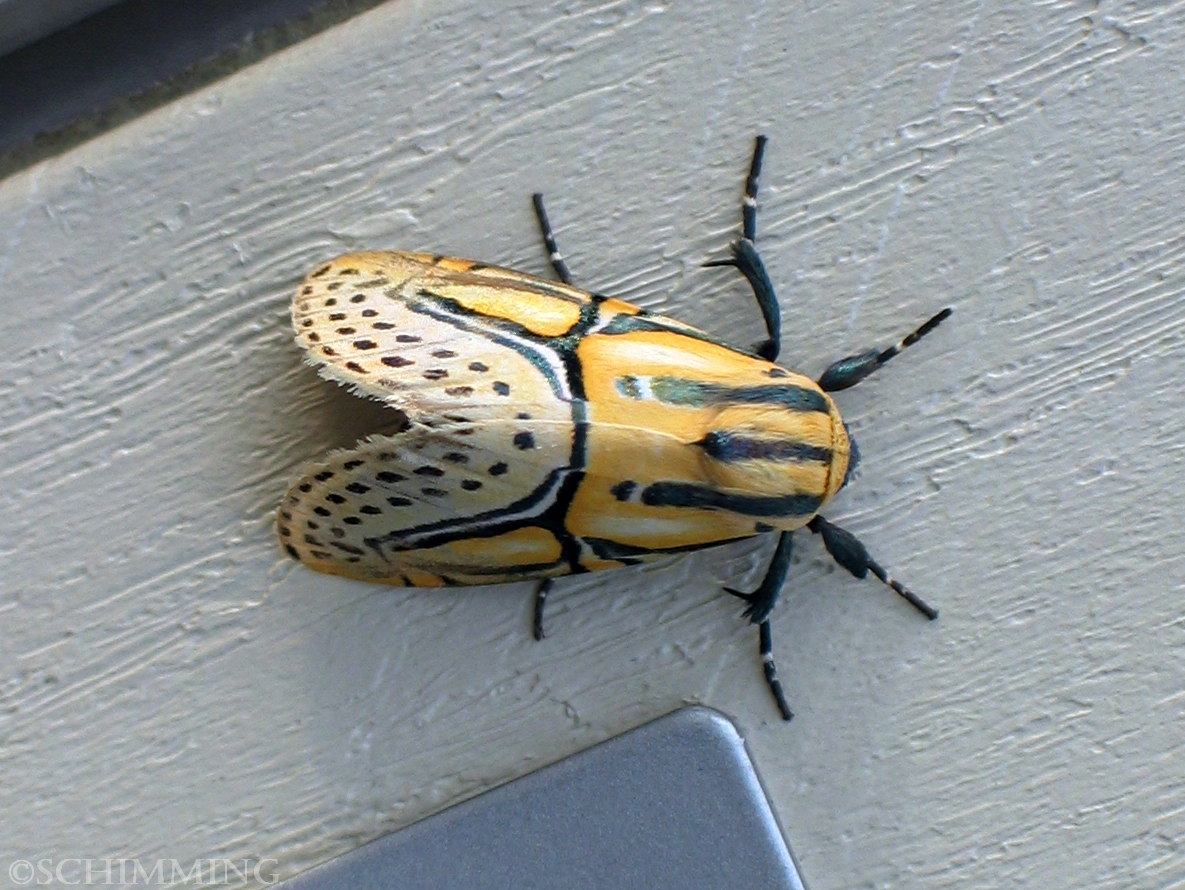
Several species have larvae (caterpillars) that live in the soil and are agricultural or horticultural pests. These are the “cutworms” that eat the bases of young brassicas and lettuces. They form hard, shiny pupae. Most noctuid larvae feed at night, resting in the soil or in a crevice in its food plant during the day.
Order Lepidoptera: Moths. Unlike the butterflies, moths are usually nocturnal. Many moths and their caterpillars are major agricultural pests in large parts of the world. Moths in the family Tineidae are commonly regarded as pests because their larvae eat fabrics, clothes and blankets made from natural fibers such as wool or silk. Moths in the genus Farinalis feed on stored grain, flour, corn meal and other milled grain products.