
 |
Family Moraceae – Mulberries and Figs With 1400 species in 40 genera, Moraceae includes Figs, Banyan, Mulberries, breadfruit and Osage Orange. Live specimens photographed at the Morton Arboretum. |

Custom Search
|

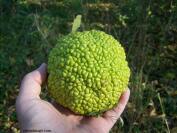
Osage Orange Fruit, commonly called hedgeapple
|
|
Family Moraceae consists of flowering trees, shrubs, herbs or lianas (vines), both evergreen and deciduous; mainly woody and tropical, they are most abundant in Asia. Moraceae includes both self-supporting and epiphytic (plants that use an immobile object such as another plant, or a building to support their structure) vines. The largest genus is Ficus, with about 750 species of figs. [3] |
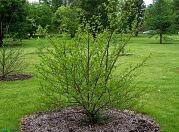
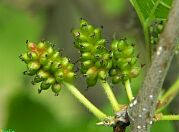
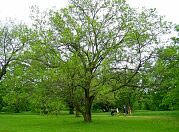
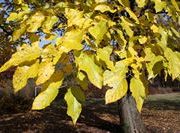
| Moraceae share with plants in Euphorbiaceae (Spurge family), a specialized type of cell called a laticifer, a cell or a linked complex of cells containing a milky liquid called latex [1]. Laticifers are present in many plants, e.g. the rubber tree (Hevea brasiliensis), rubber being secreted by the laticifers and tapped by cutting through the bark.
Species bearing edible fruit include the mulberries, breadfruit and jackfruit. Although figs and rubber plants are often sold as houseplants, the most important species are related to the silk trade; they serve as food plants for the silkworm, Bombyx mori. [2] |
| References: 1. Dictionary of Botany, "Laticifer" 2. Wikipedia, "Euphorbiaceae" 3. L. Watson and M. J. Dallwitz, Families of Flowering Plants, "Moraceae" 4. USDA, ARS, National Genetic Resources Program. Germplasm Resources Information Network Morus alba 5. California Rare Fruit Growers, Inc, Mulberry |
| Tree Encyclopedia / North American Insects & Spiders is dedicated to providing scientific and educational resources for our users through use of large images and macro photographs of flora and fauna. |
|
Tree Encyclopedia |
