Rock Elm - Ulmus thomasii
Elm Family: Ulmaceae
Range: Europe / USDA Hardiness Zone: 3
[Family Ulmaceae Main Page Graphics]   [Tree Encyclopedia Main Page Graphics[Trees Table of Contents]


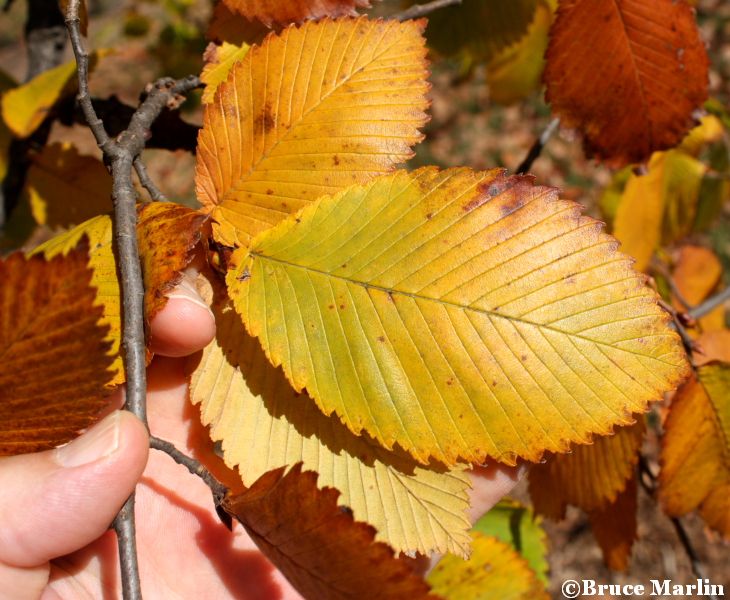
Rock Elm foliage in fall colors

Rock elm is most common to the Upper Mississippi Valley and lower Great Lakes region. The native range includes portions of New Hampshire, Vermont, New York, and extreme southern Quebec; west to Ontario, Michigan, northern Minnesota; south to southeastern South Dakota, northeastern Kansas, and northern Arkansas; and east to Tennessee, southwestern Virginia, and southwestern Pennsylvania. Rock elm also grows in northern New Jersey [4].

USDA NRCS lists this lovely elm as endangered in Illinois, and threatened in New York and Ohio [3].

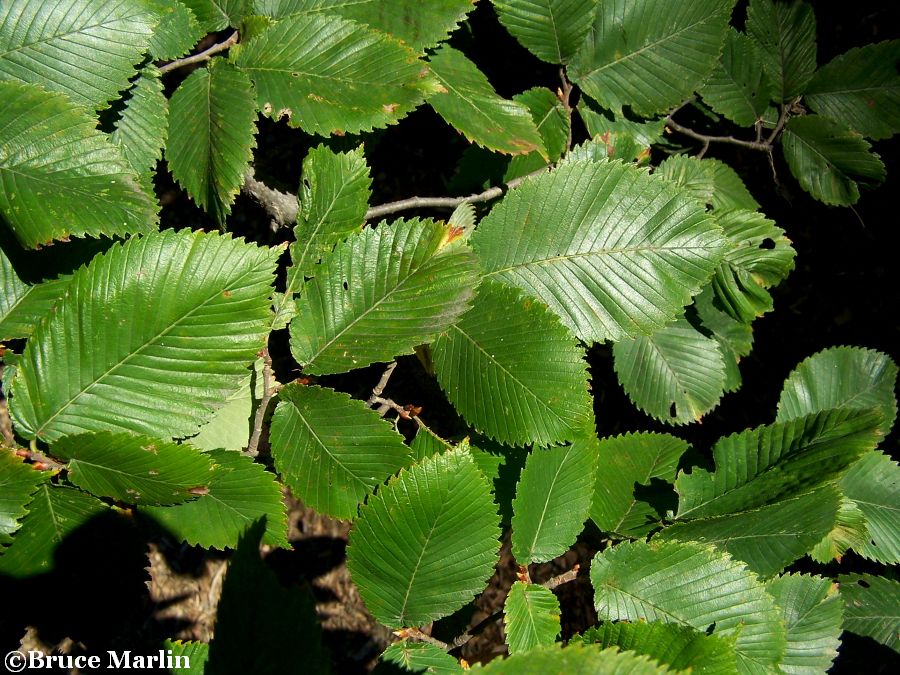
Rock Elm Summer Foliage
Rock elm foliage in summer

Rock Elm Range Map
Rock Elm Range [3]

Rock elm is also called cork elm because of the irregular thick corky wings on older branches. A medium-sized to large tree that grows best on moist loamy soils in southern Ontario, lower Michigan, and Wisconsin, it may also be found on dry uplands, especially rocky ridges and limestone bluffs. On good sites, rock elm may reach 30 m (100 ft) in height and 300 years of age. It is always associated with other hardwoods and is a valued lumber tree. The extremely hard, tough wood is used in general construction and as a veneer base. Many kinds of wildlife consume the abundant seed crops [4].
 

Custom Search

Damaging Agents- Nearly all native North American elm species are susceptible to Dutch elm disease (Ceratocystis ulmi) and isolates of C. ulmi have been obtained from rock elm logs. It is likely that Dutch elm disease will greatly reduce the number of rock elm. A seed-borne fungus (Gleosporium ulmicolum) has been reported for rock elm but few of the fungi that are able to invade the fruits and seeds of North American hardwoods are thought to be pathogens that reduce germination or weaken seedlings.

Although rock elm has not been listed as a particular host for specific insects, undoubtedly it is host to the various borers, defoliators, and sucking insects that attack American elm. Throughout the range of rock elm, killing frosts are common during the flowering period and subfreezing temperatures may prevent seed development in some years [4].

(Although this effect is ameliorated somewhat by temperature increase and longer growing season, due to man-made climate change . --ed.)

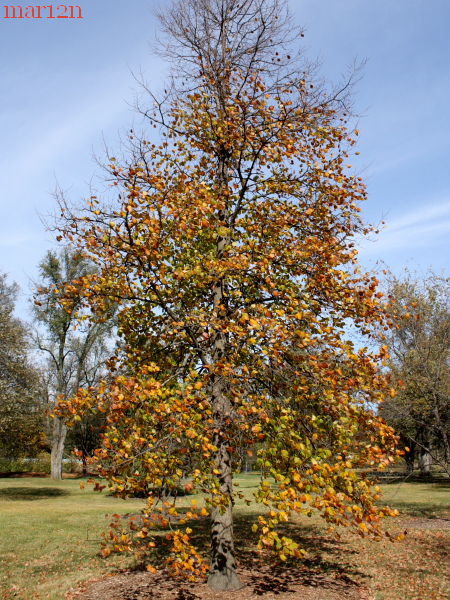
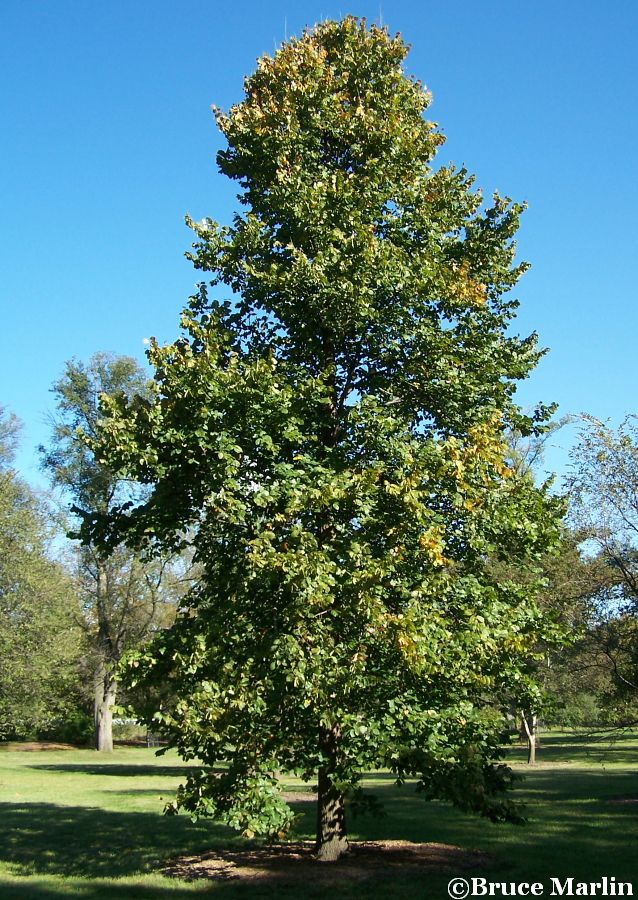
Rock Elm Habit, Fall Colors
Rock Elm, Morton Arboretum accession 178-84*1 is 26 years old.  [1]

Rock Elm - Ulmus thomasii
Rock Elm, Morton Arboretum accession 178-84*3 in summer  [2]

Rock elm is most frequent in lower Michigan, Wisconsin, and southern Ontario, and it is regularly found on moist but well-drained sandy loam, loam, or silt loam soils in mixture with other hardwoods. In Wisconsin, rock elm is most frequent in the southern wet-mesic forest (7). Although rock elm often grows on rocky ridges, limestone outcroppings, and streambanks, the highest quality sawtimber is found on deeper loamy soils.

The major soil orders associated with the distribution of rock elm are the Mollisols, Alfisols, and the Spodosols. Most common are the Hapludalfs (Gray-Brown Podzolic soils) within the Udalfs suborder of the Alfisols. Soil pH ranges from slightly alkaline or neutral to strongly acid [4].

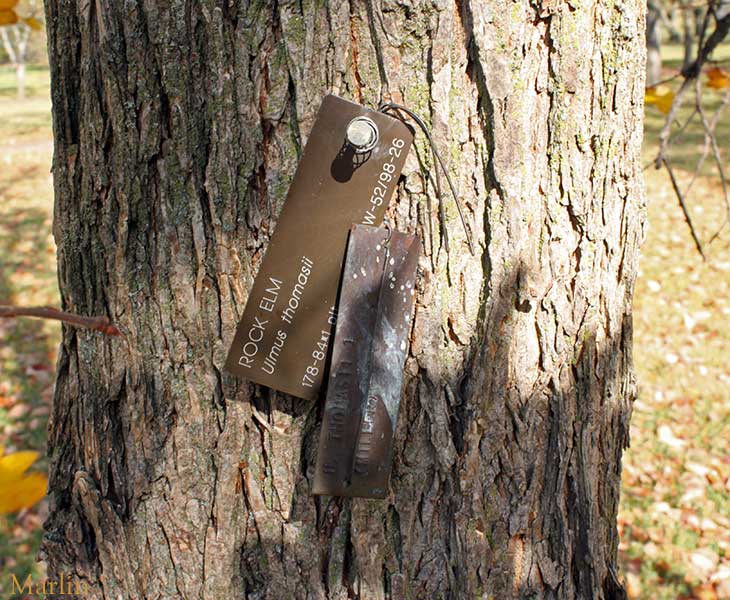
Rock Elm Bark

The seeds and buds of rock elm are eaten by deer, rabbits, squirrels, and a variety of birds. Small mammals such as chipmunks, ground squirrels, and mice apparently relish the filbertlike flavor of rock elm seed and frequently eat the major part of the crop.

Rock elm wood has long been valued for its exceptional strength and superior quality. For this reason, rock elm has been drastically overcut in many areas. The wood is stronger, harder, and stiffer than any of the other commercial species of elms. It is highly shock resistant and has excellent bending qualities which make it good for bent parts of furniture, crates and containers, and a base for veneer. Much of the old-growth was exported for ship timbers. Currently, the highest quality sawtimber is found in north-central Wisconsin, lower Michigan, and southeastern Ontario [4].

American Elm Tree in Fall Colors
American Elm in glorious yellow autumn colors,
Morton Arboretum acc. 170-U*4, age unknown.

When I was a child in the 1950's, Thacker Street in Des Plaines, Illinois, was lined with huge Elm trees. We walked to school shaded by those magnificent trees; they were so tall, their branches overarched the street completely. It was a wonderful walk then, and especially in fall when our mornings were bathed in yellow light filtering through the glorious butter yellow foliage. Of course, we gathered leaves to take into school with us, to trace and do rubbings with fat Crayons from our (newly introduced) 64 packs.

But when the school year started in 1960, those trees had all been cut down, victims of Dutch Elm Disease. It was so sad, and now we walked under blazing sun and boy, did we miss those trees. Similar scenarios are now playing themselves out amongst the lodgepole pine and ash trees of North America.

References
  1. Rock Elm, Morton Arboretum accession 178-84*1, photographed October 25, 2010 by Bruce Marlin
  2. Rock Elm, Morton Arboretum accession 178-84*3, photographed October 4, 2010 by Bruce Marlin
  3. The Morton Arboretum, Arboretum Records Honor, Milestone; Looks to Future, http://www.mortonarb.org/res/GEORGEWARE.pdf
  4. USDA, NRCS Plants Profile, "Rock Elm, Ulmus thomasii Sarg."
  5. T.R. Crow, USDA Forest Service,  "Rock Elm, Ulmus thomasii Sarg."
              
 
       web      www.cirrusimage.com


[Family Ulmaceae Main Page Graphics]   [Tree Encyclopedia Main Page Graphics[Trees Table of Contents]


© Red Planet Inc.