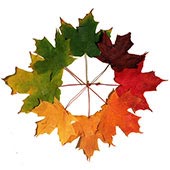
Red Peacock Crabapple
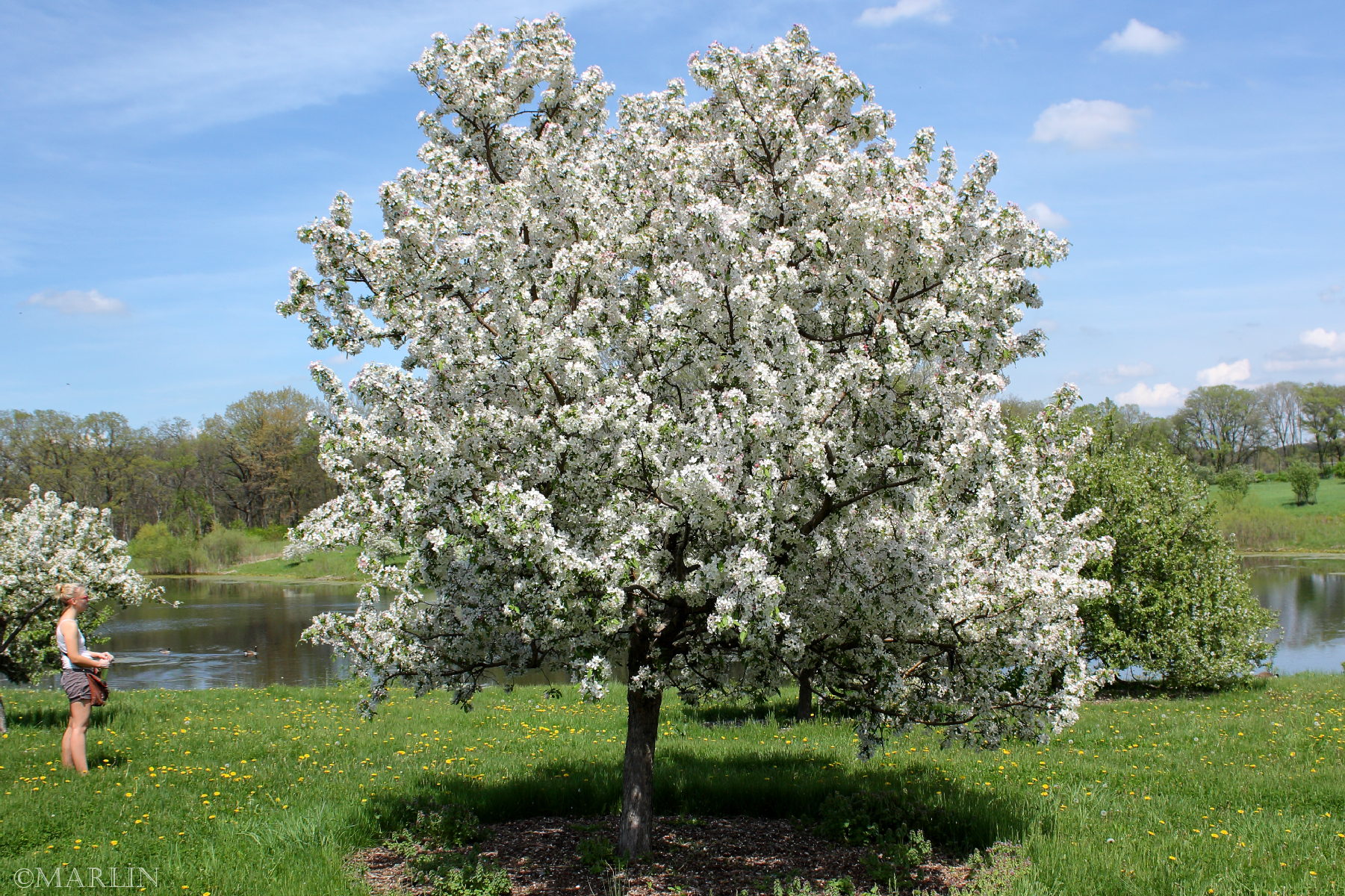
Red Peacock at Crabapple Lake is 19 years old
Red Peacock crabapple was discovered in 1969 and patented in 1989, being a controlled cross of seed parent Malus ‘Molten Lava’ with pollen parent Malus ‘Luwick’ x ‘Zumi’. The cultivar was tested at the famous Klehm Nursery at Barrington, Illinois, and found to have:
Abundant annual large coral-pink buds open to soft pink, 1 to 1.25″ ruffled blossoms
Well-textured mint-green, disease resistant foliage is light & airy in appearance
Bears abundant, winter-persistent shiny orange-red apples (no fruit drop)
Upright habit when young becoming somewhat semi-weeping at maturity
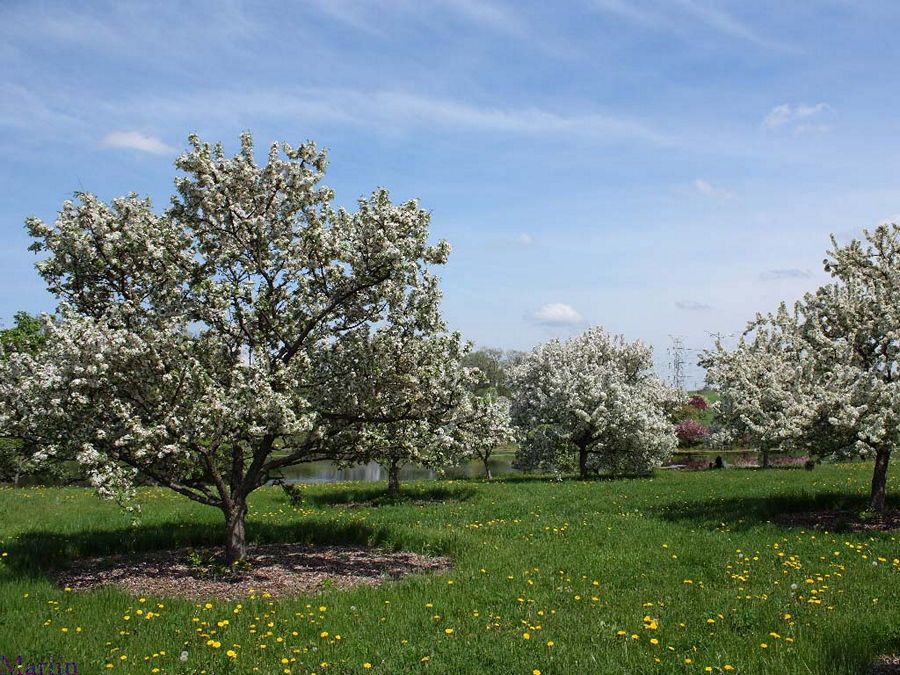 “A fully mature tree at 30 years will reach 20 to 25 feet tall and a spread of 20 feet.” The specimen pictured here is 19 years old.
‘Red Peacock’ is resistant to the five most common crabapple diseases; apple scab, cedar-apple rust, fire blight, frog-eye leaf spot and powdery mildew. “Due to its form and prolific flowering/fruiting habit, (red peacock) is readily distinguishable from other flowering crabapple varieties” (boilerplate patent claim).
Reference: Red Peacock Crabapples, Morton Arboretum accs. 73-90-1,2 & 3, photos: Bruce Marlin
Family Rosaceae
Trees Index | Pine Family
Tree Encyclopedia / North American Insects & Spiders
Online since 2002