Mongolian Linden – Tilia mongolica
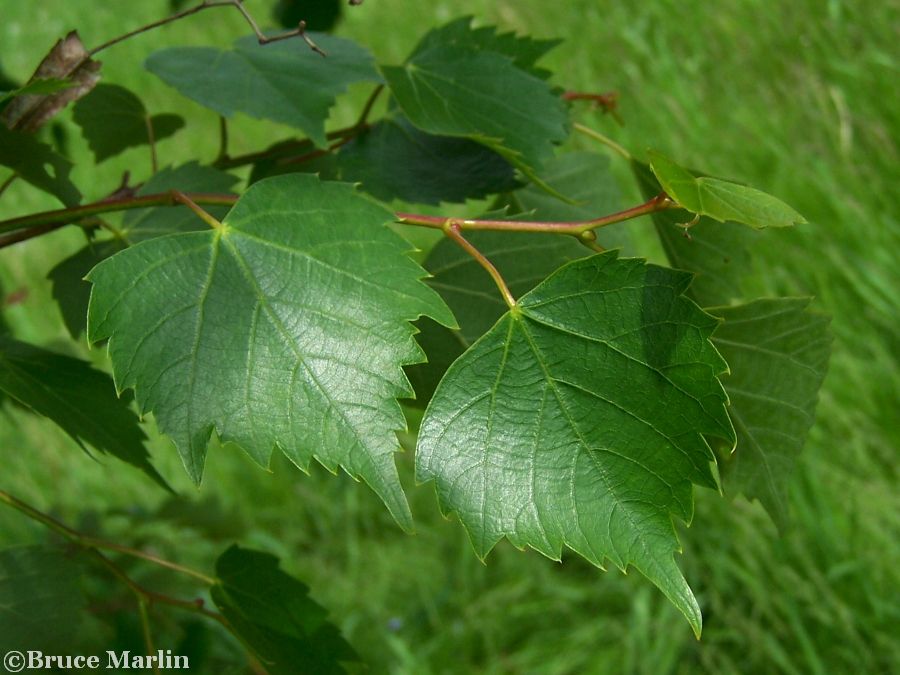
Foliage with heavily serrated margins
Family Tiliaceae – Basswoods, Lindens
Native to China, This is one of the smallest of the lindens, and typically reaches heights of 30 feet. This plant has done reasonably well in urban situations and has exhibited a good deal of resistance to feeding of the Japanese beetle that causes problems for many of the lindens in acid soils. [1]
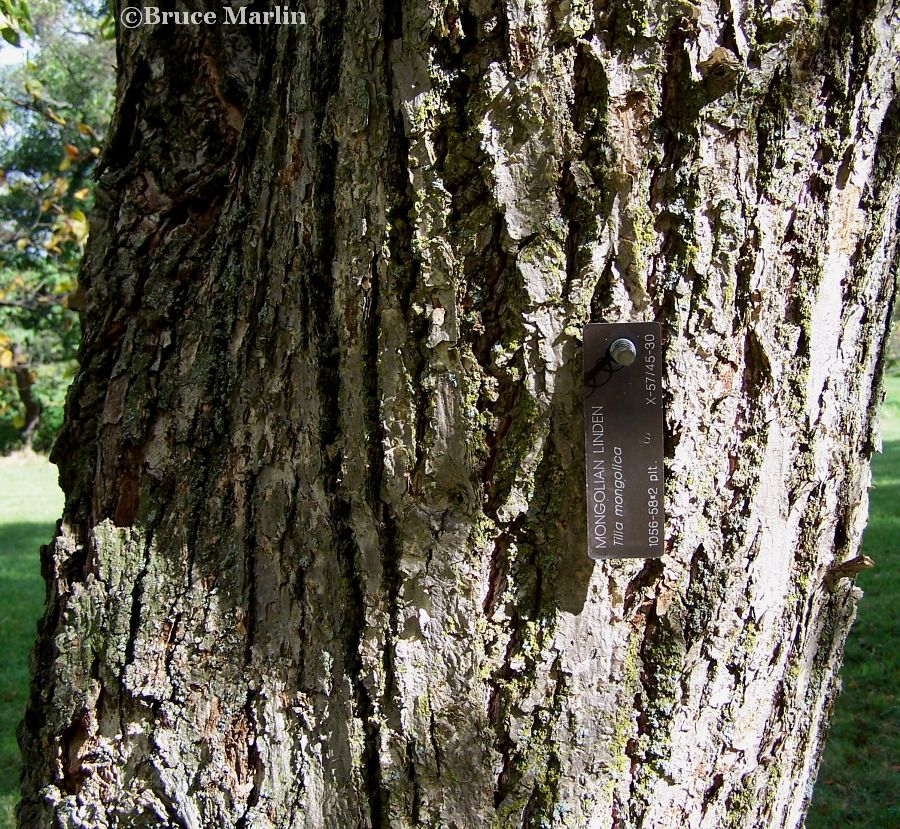
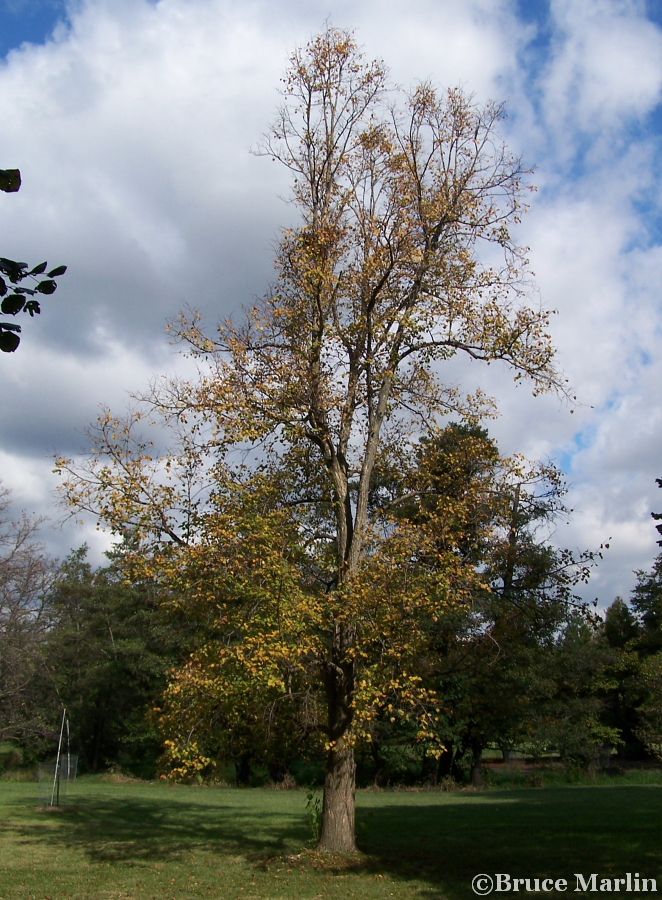 Older Mongolian linden at 52 years is about 12 m. tall
The relatively recent introduction of the Japanese beetle (Popillia japonica) into North America has placed several varieties of lindens into jeopardy through defoliation, especially the little-leaf linden Tilia cordata. The beetles can skeletonize and defoliate an entire tree in as little as a few weeks. (See our article “What’s eating my Linden?”)
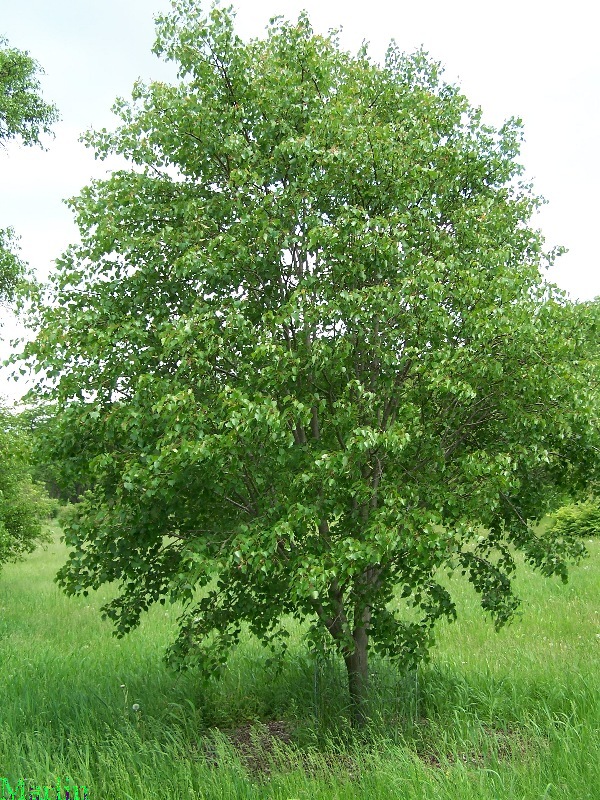 Mongolian linden, from seed, is 14 years old [2]
The flowers possess a nectar which attracts bees and produces a strong flavored honey. When this tree is in flower it will be full of bees, hence its common name “Bee Tree”. During the three weeks that the Lindens bloom, bees forsake most other flowers. The honey that they make of Linden nectar is white in color, and highly regarded. The flowers when gathered and dried can be used to make tea. Linden flowers are used in the manufacture of perfumes.
Linden wood is soft and creamy, and it is much favored by woodcarvers because of its workability (it is said to “cut like cheese”) and its even grain. In past centuries it was used to make ship’s figureheads and cigar-store Indians. Today it is used for broom handles, beehive frames, piano sounding boards and certain parts of guitars. — United States Department of Agriculture NRCS Plant Fact Sheet
References
1. www.eFloras.org , Flora of China, Tilia mongolica
2. Morton Arboretum acc. 393-94-1 photos by Bruce Marlin
3. Colin Tudge, The Tree: A Natural History of What Trees Are, How They Live, and Why They Matter
Family Rosaceae – Rose Family; Fruit Trees
Trees Index | Pine Family | Beech, Oak | Nut Trees | Birch Family | Magnolias
Tree Encyclopedia / North American Insects & Spiders is dedicated to providing family-friendly educational
resources for our friends around the world through large images and macro photographs of flora and fauna.
Online since 2002