Grass Spider – Agelenopsis species
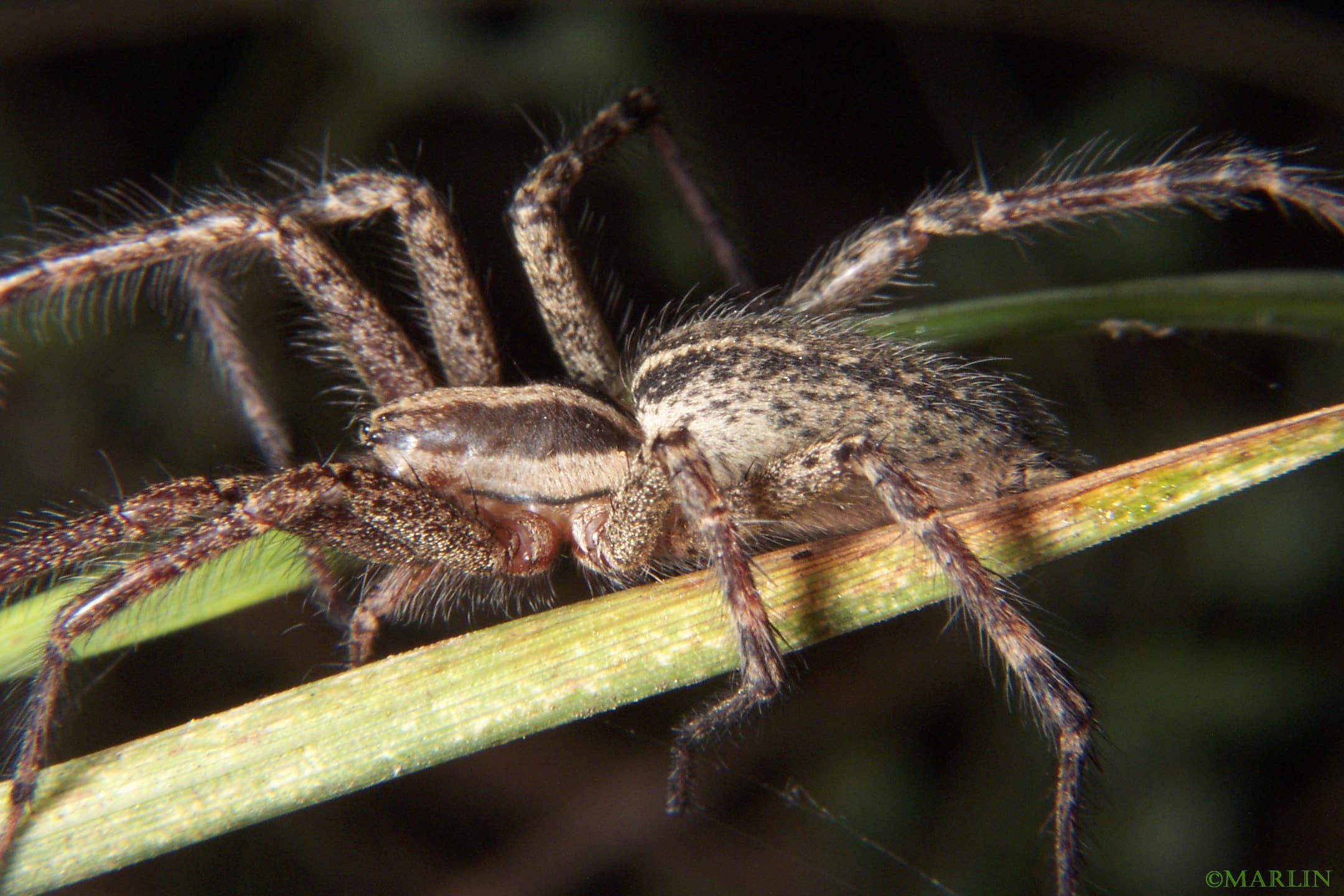
There are over 400 North American species of funnel weaver spiders in the genus Agelenopsis, commonly called grass spiders after their preferred habitat. They spin sheet webs of nonsticky silk with a characteristic funnel extending off to one side. The funnel is where the spider hides while awaiting prey. When something blunders onto the web, the spider quickly attacks and immobilizes the unfortunate creature, then drags it into its silken retreat where it can dine unmolested. These sheet webs are nearly invisible unless covered with dewdrops on a cool morning [1].
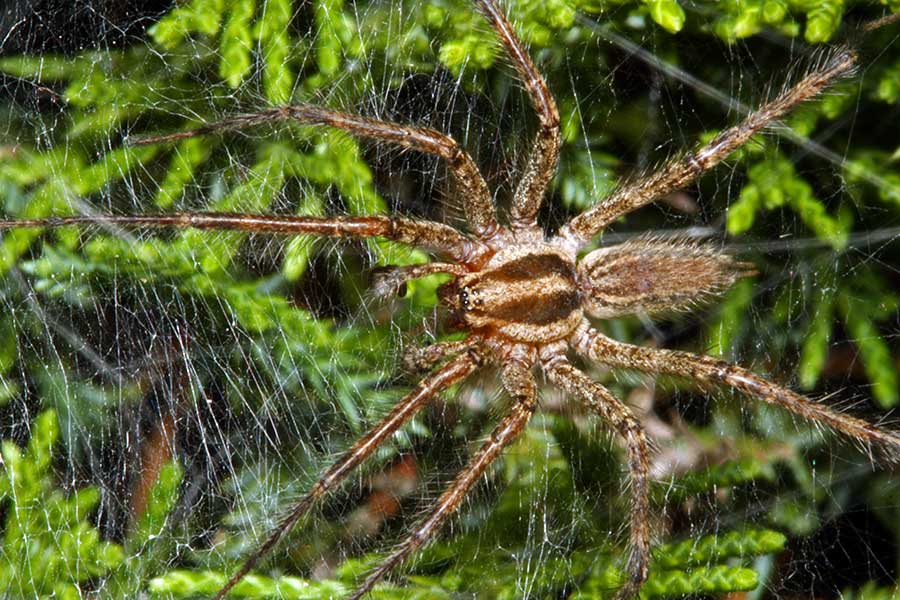
Grass spiders are closely related to the so-called Hobo spider (Tegenaria agrestis), found in the Pacific Northwest. The hobo spider has been rapidly expanding its range since its introduction (from Europe) into the Seattle, Washington area in the 1930s and has moved into neighboring states. It has been implicated as a spider of ‘medical importance’ as several studies indicated the hobo spider bite caused necrotic tissue lesions ) either through the actions of hemolytic venom, or the introduction of pathogenic bacteria into the wound.
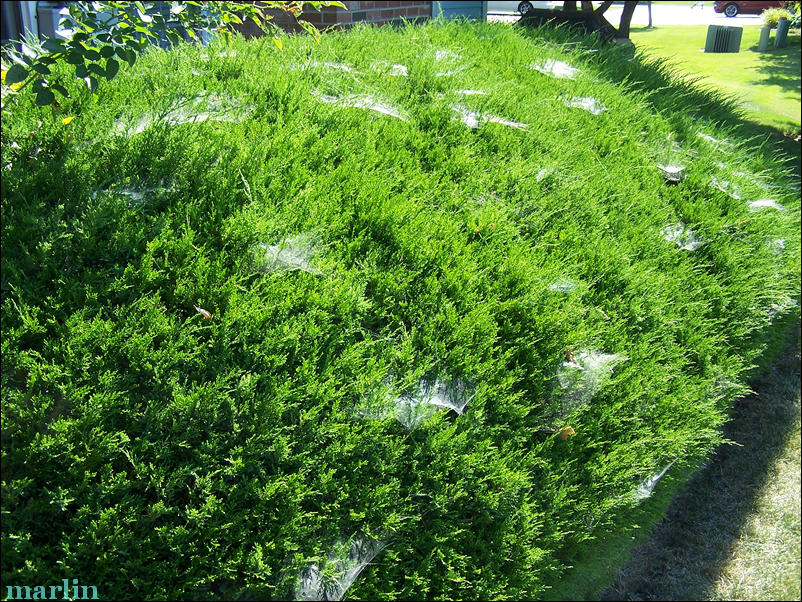
Numerous funnel webs are visible on this evergreen hedge – there were about two dozen spiders active here.
North American Insects & Spiders
Explore over 3,000 close-up photos and information on over 700 arthropod species commonly found in North America. Our live insects & spiders have been photographed unposed, in the wild, at various locations in Canada, Mexico and the United States.
Spiders Index | Spiders Main | Beetles | Butterflies | Stinging Insects