
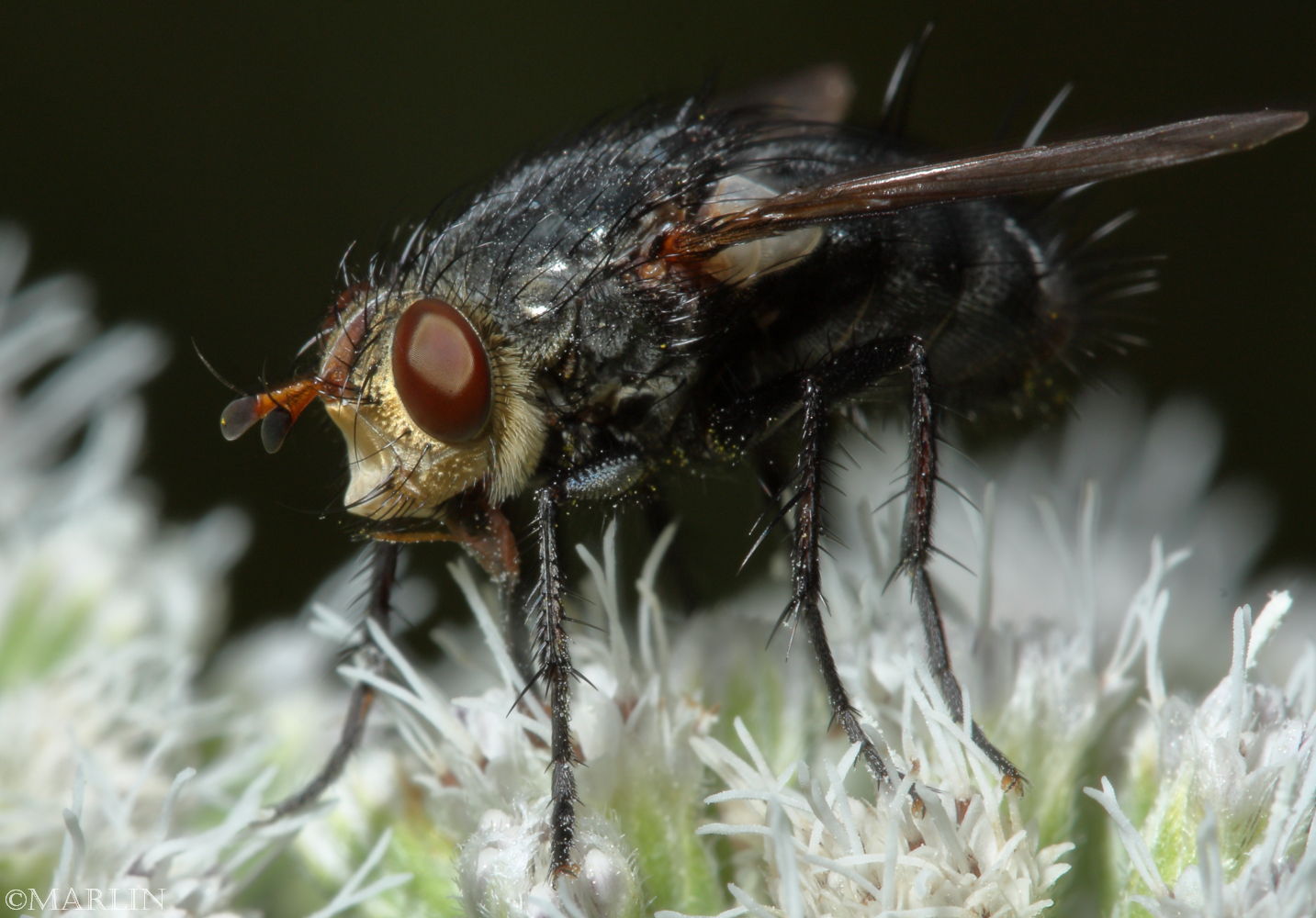
Tachinid Fly – Peleteria Species
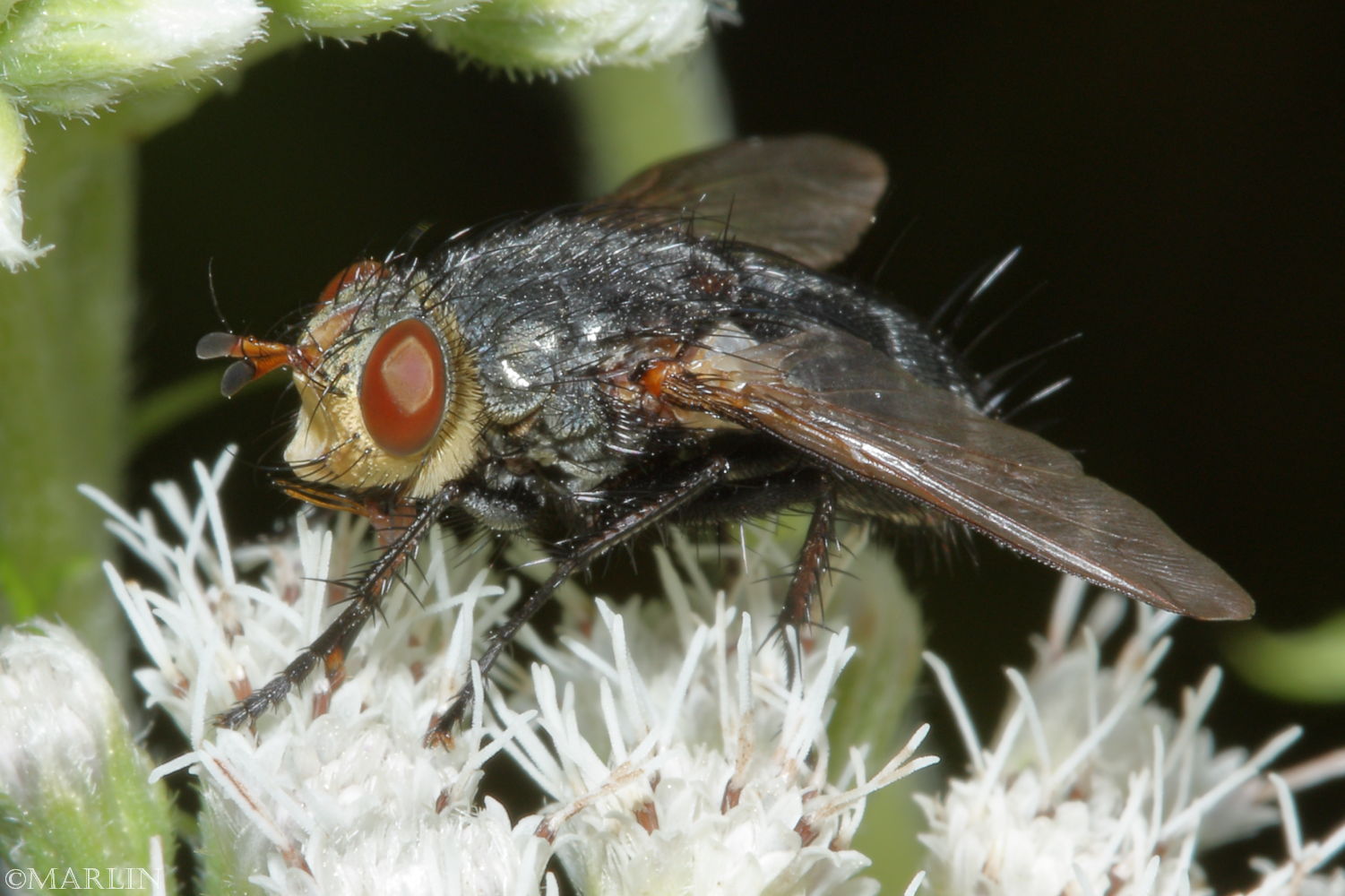
Family Tachinidae, commonly known as tachinid flies, are parasitoids, meaning that their larvae are parasitic on other arthropods.
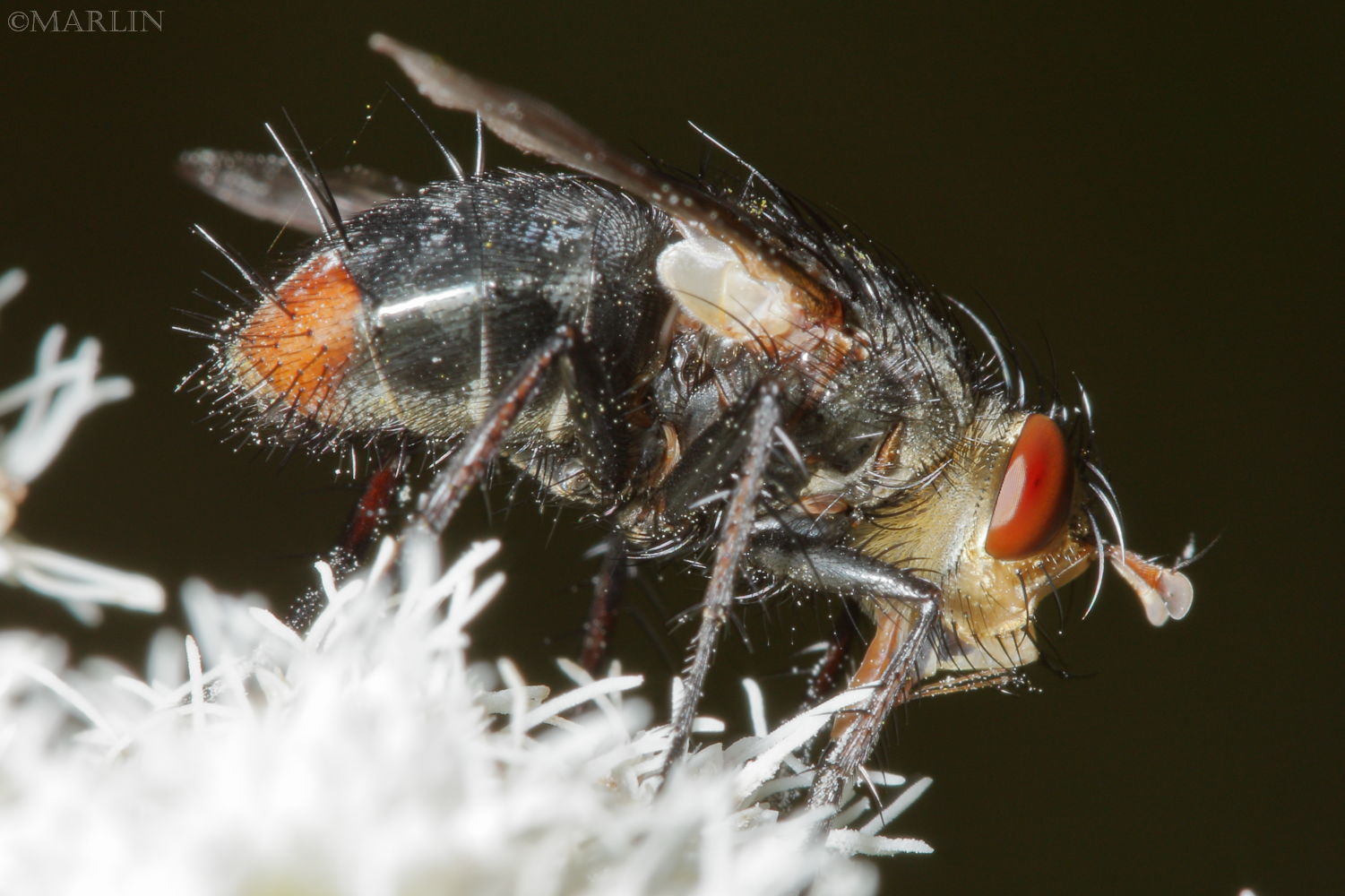
Tachinidae belongs to the superfamily Oestroidea. It is one of the largest families of Diptera, with over 10,000 known species worldwide. Most species measuring between 5 to 15 millimeters in length.
Life Cycle:
- Egg: Tachinid flies lay their eggs on the bodies of host insects, typically near or on the host’s soft tissues.
- Larva: The tachinid fly larva hatches from the egg and enters the host insect, where it feeds internally. The larva eventually kills the host.
- Pupa: After consuming the host, the tachinid larva leaves the host and pupates in the soil or leaf litter.
- Adult: The adult fly emerges from the pupa and is free-living. They feed on nectar and pollen, contributing to pollination.
Tachinid flies may lay their eggs on various insect groups: Lepidoptera (Butterflies and Moths), Hymenoptera (Bees, Wasps, and Ants), Coleoptera (Beetles), Orthoptera (Grasshoppers and Crickets).
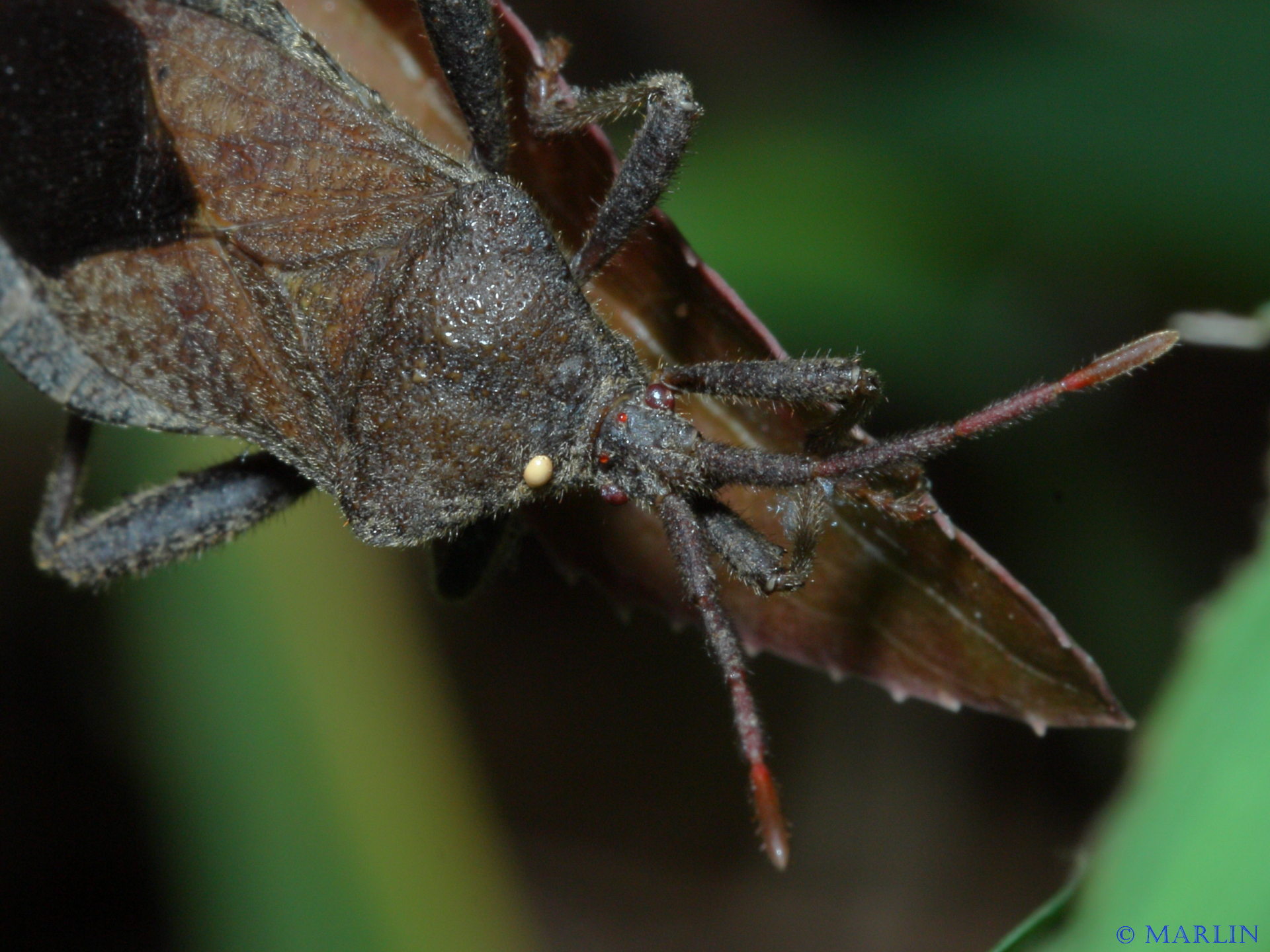
Tachinid egg glued to Coreid bug pronotum
Hemiptera (True Bugs): Tachinid flies parasitize bugs such as stink, shield, and leaf-footed (above).
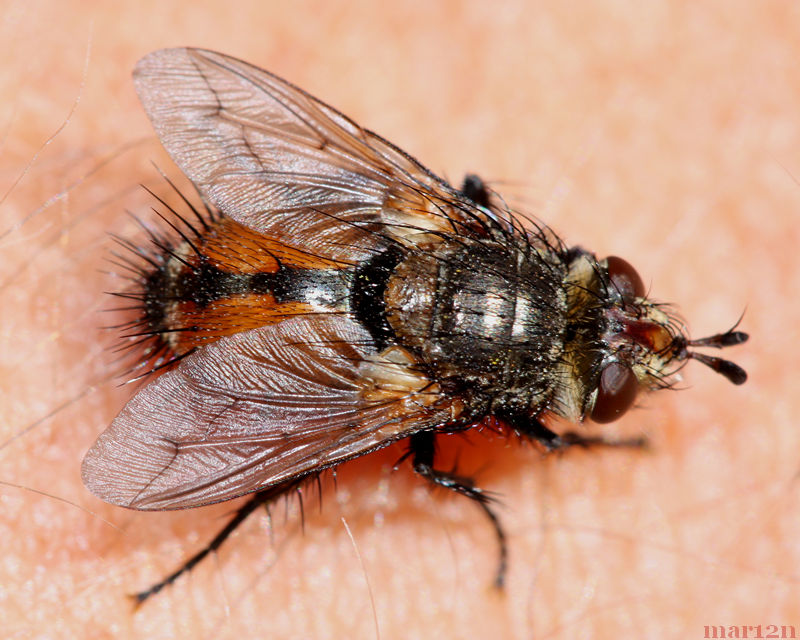 Peleteria sp. at Spring Cave, White River Nat’l Forest, Colorado, USA. El. 7590 ft.
North American Insects & Spiders
Online since 2002