Butterflies of North America
Order Lepidoptera, which contains both butterflies and moths, includes at least 125,000 known species including 12,000 in North America. Butterflies are revered for their brightly colored wings and pleasing association with fair weather and flowers. Learn to identify many of the American Midwest’s common species through descriptions and large diagnostic photos of live, wild specimens. Butterfly Index | Moths Index
Of the 165,000 known species in the order, the vast majority are moths. Of the 12,000 species in America north of Mexico, only 760 are butterflies. All lepidopterans are covered with hairlike structures called setae, and the setae on the wings are flattened into tiny “scales,” arranged like shingles on a roof; through pigmentation or optical diffraction they are responsible for the colors and patterns we admire so greatly in these gentle creatures.
Butterflies have two sets of wings, which they use for flight, courtship displays, and regulating body temperature. The arrangement of wing markings are one of the primary tools in butterfly identification. All butterflies possess a long, coiled proboscis they use to suck liquids from flowers, rotting fruit, dung, sap from wounded plants, or water from a convenient puddle.
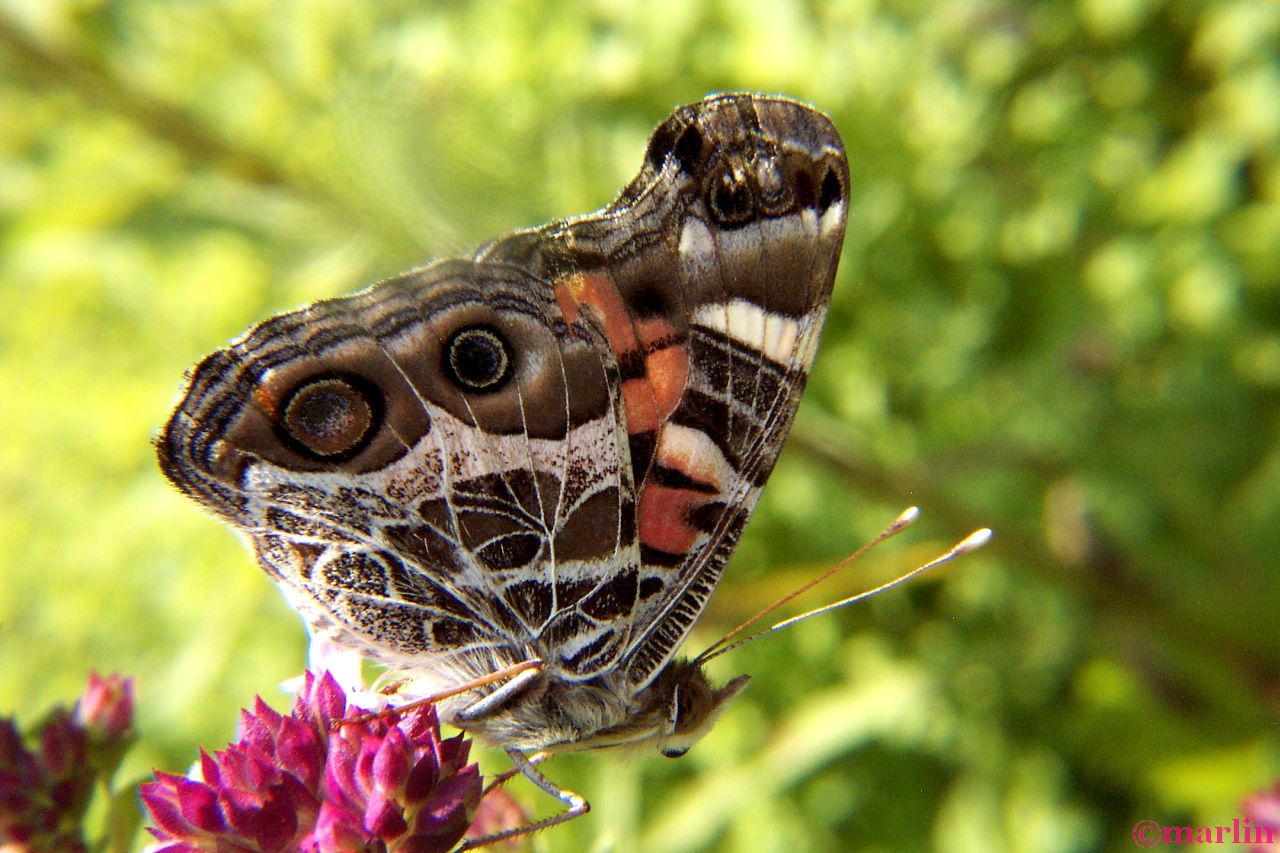
Family Nymphalidae – Brushfoot Butterflies include approximately 3,000 species worldwide, of which 160 or so live in or visit North America. Their unifying characteristic is the reduced forelegs of both males and females. These vestigial forelegs give rise to the family’s common name.
The habit of holding the forelegs close to the body is shared with many other insects, including bumblebees, flies, bugs and beetles. Considering how many insects do this, there must be some hidden evolutionary advantage to the state of having 6 legs but hiding the front two most of the time. Included in this family are admirals, fritillaries, checkerspots, crescentspots, anglewings, leafwings, painted ladies, and tortoiseshells, and Monarch Butterfly.
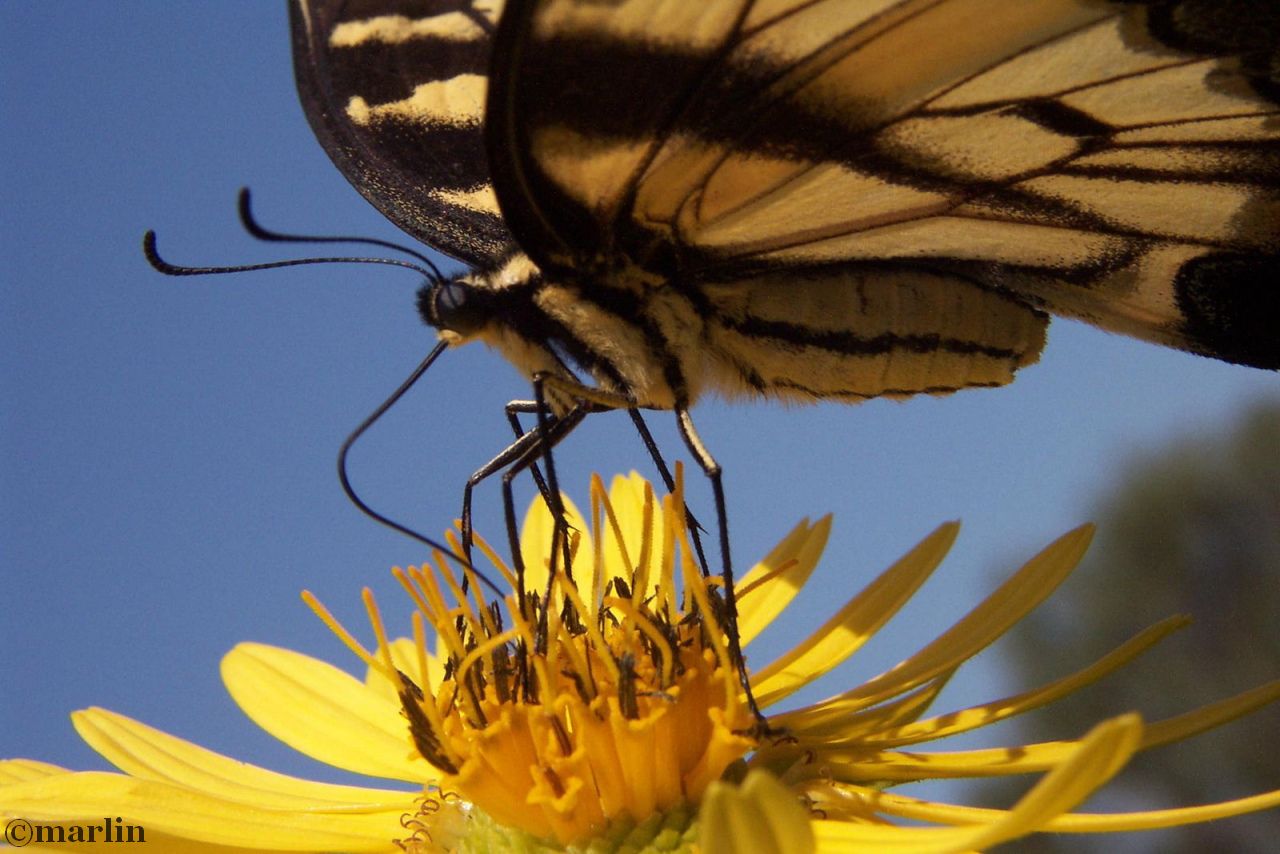
Family Papilionidae – Swallowtail and Parnassian Butterflies include more than 600 species worldwide, fewer than 30 of these live in North America. The true swallowtails, the most typical members of this family, are large, brightly colored butterflies with tailed hind wings. All North American swallowtails have somewhat spherical eggs. Most of the caterpillars have prominent eyespots. Swallowtail chrysalises resemble bits of leaf or wood.
I followed the tiger swallowtail pictured for an hour as she tirelessly fed on nectar. Swallowtails are almost always beating their wings for balance while they hang from flower blossoms. I shot only available light, and consider myself extremely fortunate to have captured some shots of this energetic butterfly.
All lepidopterans undergo so-called “complete” metamorphosis, i.e., egg-larva-pupa-adult. Butterfly eggs are laid singly or in clusters on or near host plants that will provide nourishment for the voracious larva (caterpillar). In the case of the monarch butterfly, these host plants are all varieties of milkweed (Asclepias spp.), which provide the caterpillars with chemicals that make them distasteful to predators. This chemical deterrent persists throughout the pupa and adult stages.
Most butterfly larvae feed only on living plants; some moth species (e.g. the meal moth – Pyralis farinalis) will consume stored grains and cereal products, or dried fruit; others live on animal products, eating feathers or woolen cloth, even other insects [1]. You can find an anatomical diagram and description of Lepidoptera larvae at our Milkweed Tussock Moth.
Family Pieridae – Whites and Sulphurs
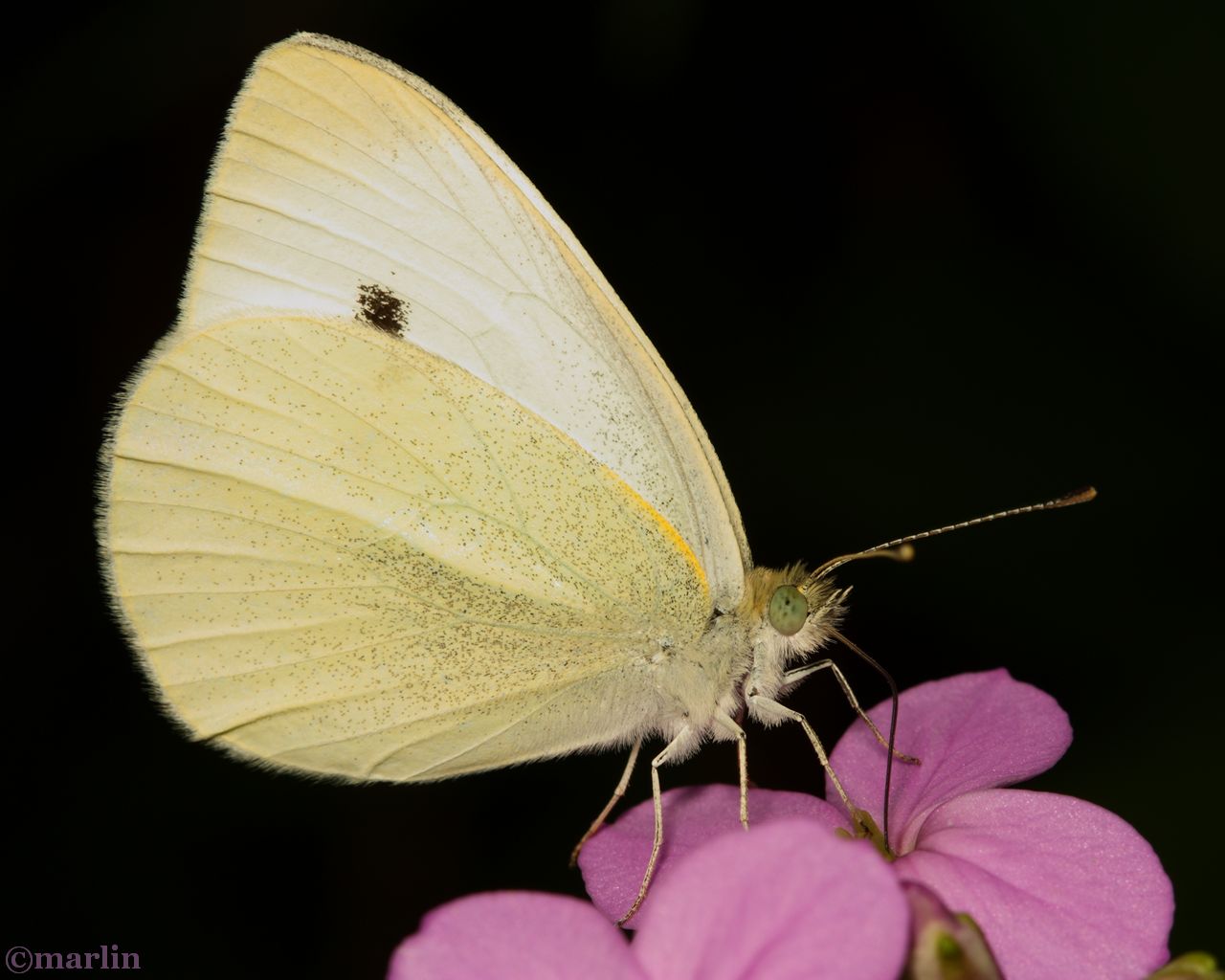
With a 1,100 species world wide and 58 in North America, pierid larvae are agricultural pests of leguminous and brassicaceous crops.
Most of these butterflies are shades of yellow, white, or pale green. There is often dramatic color variation between the sexes, seasonal, and even members of the same species. For all intents and purposes, the clouded and orange sulphurs, for instance, are generally spoken of as on species in the field, they being virtually impossible to tell apart, short of dissection.
Pierids can be extremely numerous here in the American Midwest. On August 1, 2005, I counted more than 200 Cabbage Whites in an area half the size of a basketball court at one forest preserve near Chicago.
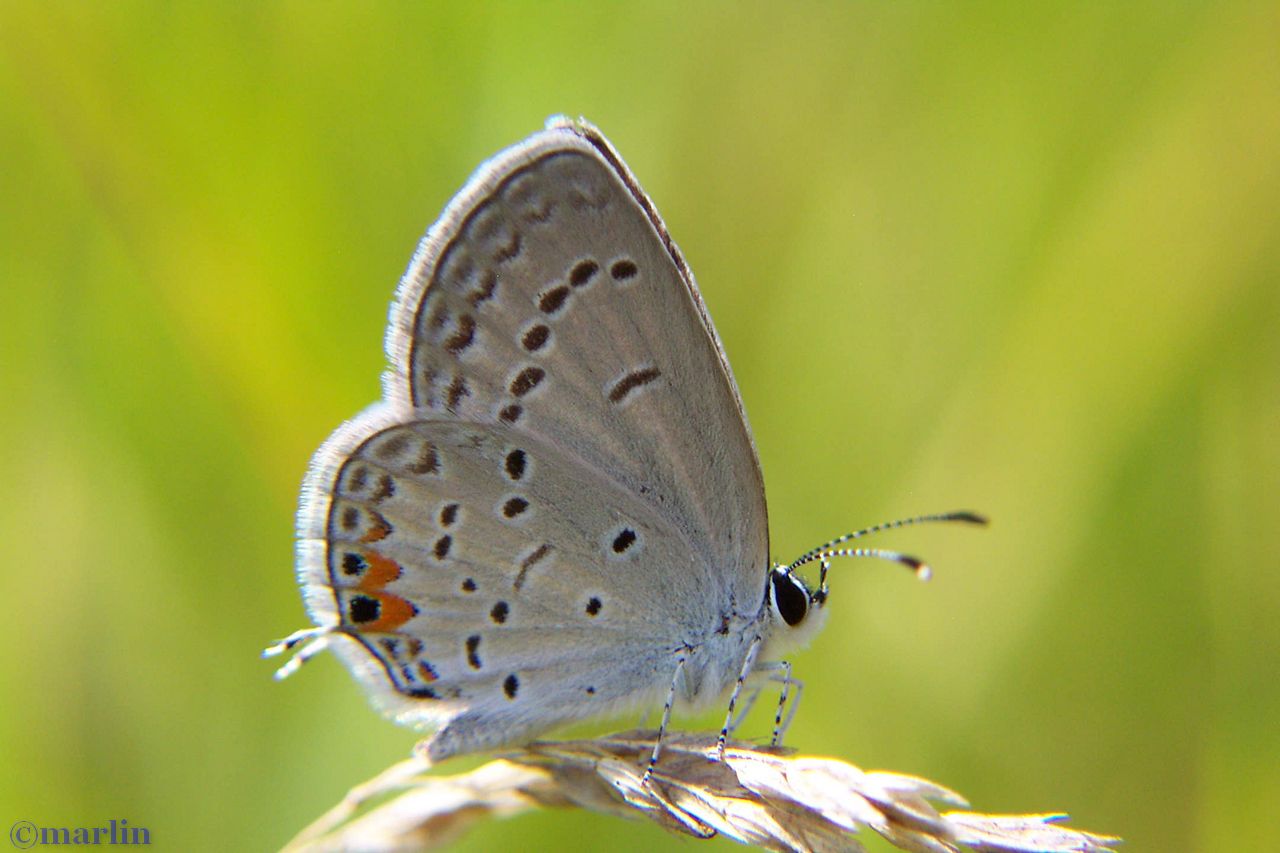
Family Lycaenidae – Gossamer-Wing Butterflies includes four groups: blues, coppers, hairstreaks and harvesters. There are only about 100 species in North America. These small butterflies hold their wings over their back when at rest. In most species, the males have greatly reduced forelegs not unlike the brushfoots, but the females have all six legs well-developed. Caterpillars of many hairstreaks and blues possess honeydew glands. Ants milk these caterpillars and in return, protect them from predators.
Gossamer wing coloring comes from two different types of scales: gray, brown and orange scales are pigmented, while blue, green, purple and copper colors derive from the selective light-refracting properties of the scales.
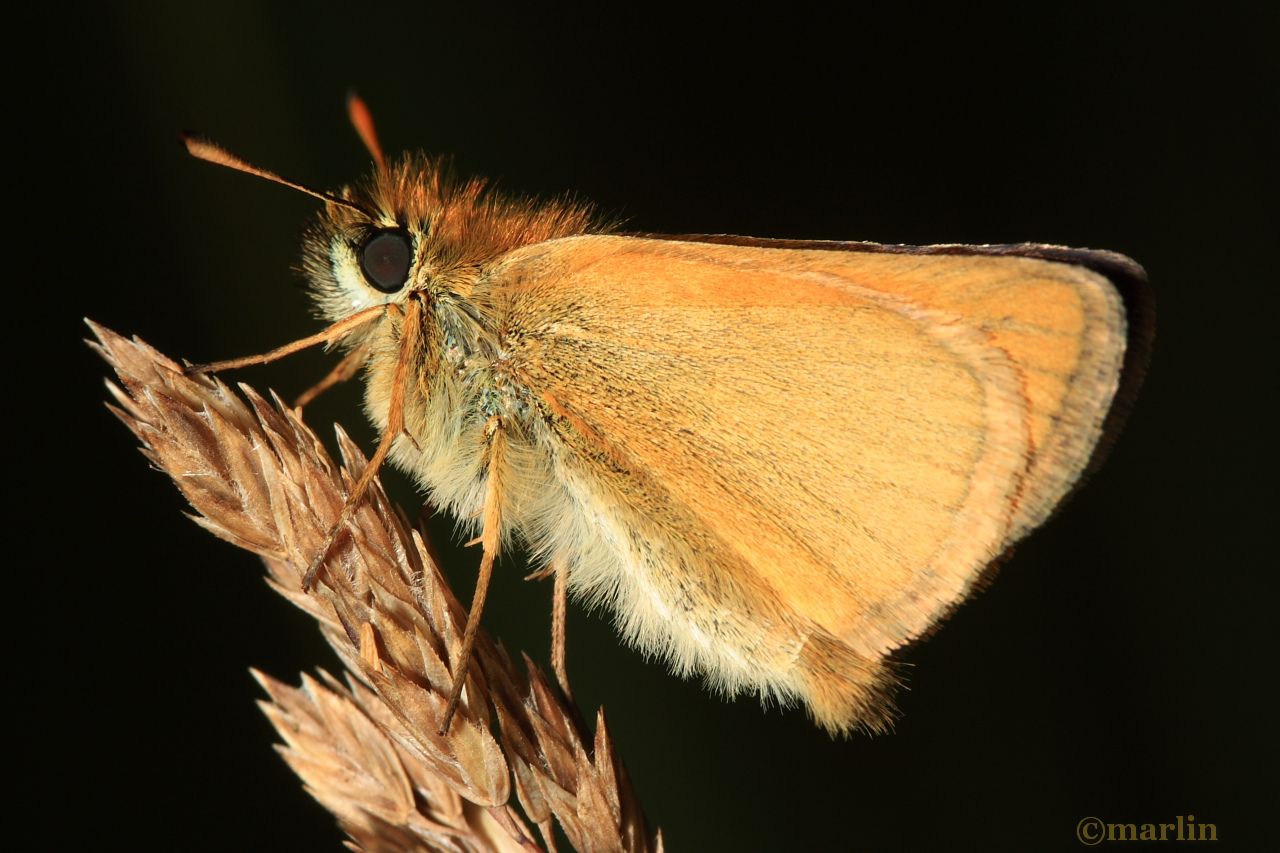
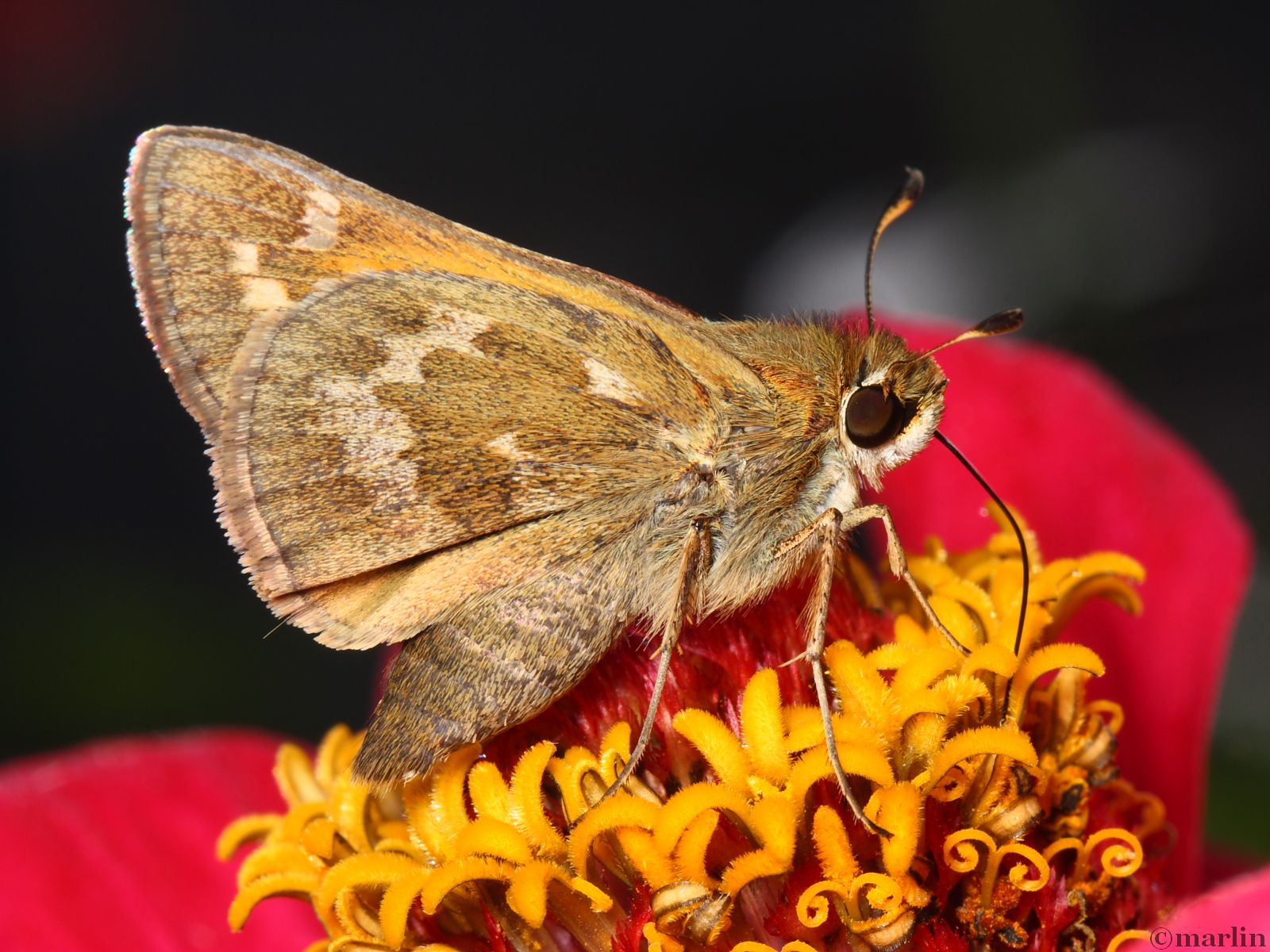
Family Hesperiidae – Skipper Butterflies display many structural features of both moths and butterflies; stocky with a large head, widely spaced, hooked antennae, a chunky body and short wings, these smallish butterflies are sometimes rapid, erratic fliers.
Before I started photographing insects, I was completely unaware of these charming little butterflies. I have since come to appreciate their antics and admire their flying abilities. Skippers present a physical challenge to photogs – they rarely stay in one spot for more than a few moments, and they will weathervane you all day, never presenting their full profile while you follow them around a flower blossom.
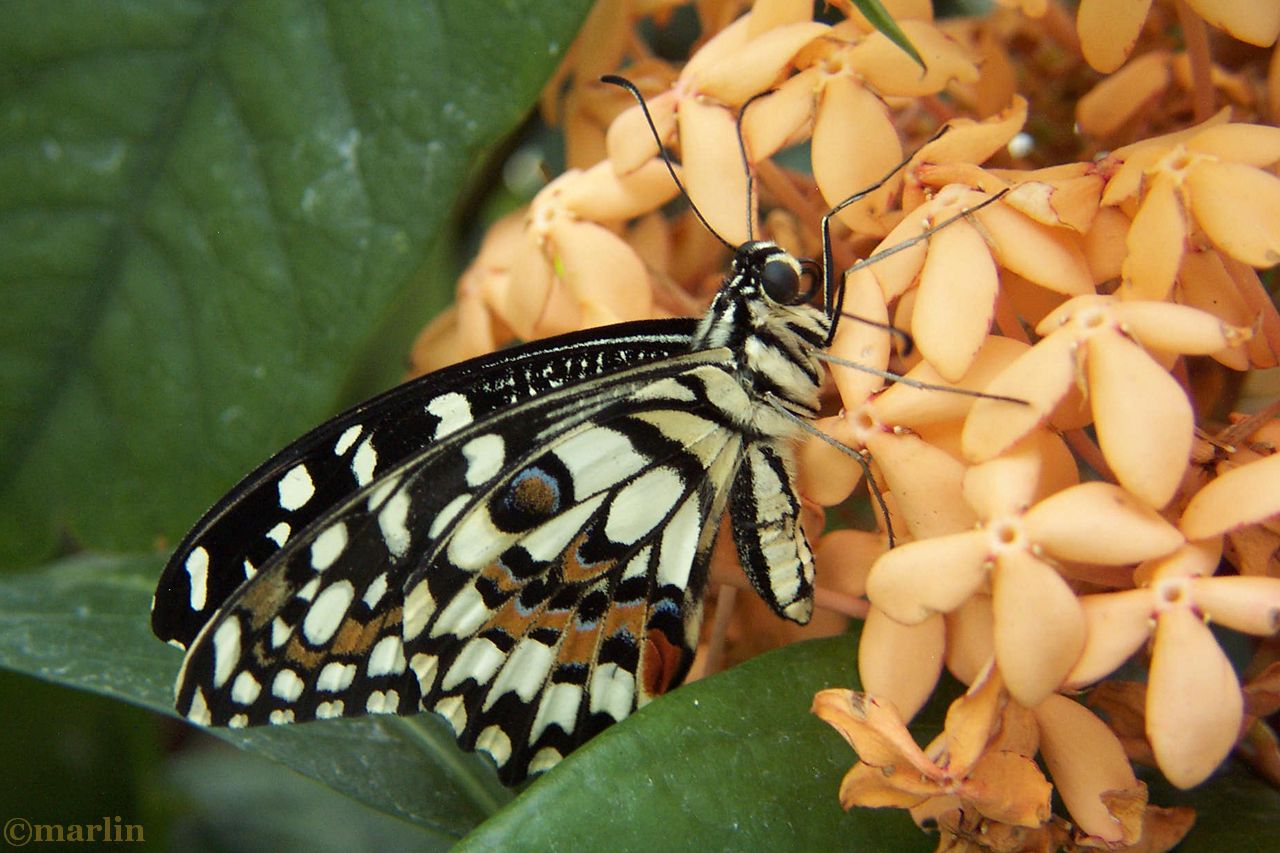
Butterflies from around the world: These captive, live butterfly specimens were photographed at the Peggy Notebaert Nature Museum in Chicago, Illinois and identified by Doug Taron, Curator of Biology, and founder of the Northern Illinois Butterfly Monitor Network.
Insects | Spiders | Beetles | Butterflies | Moths | True Bugs | Flies | Bees & Wasps