
Meadow Plant Bug – Leptopterna dolabrata
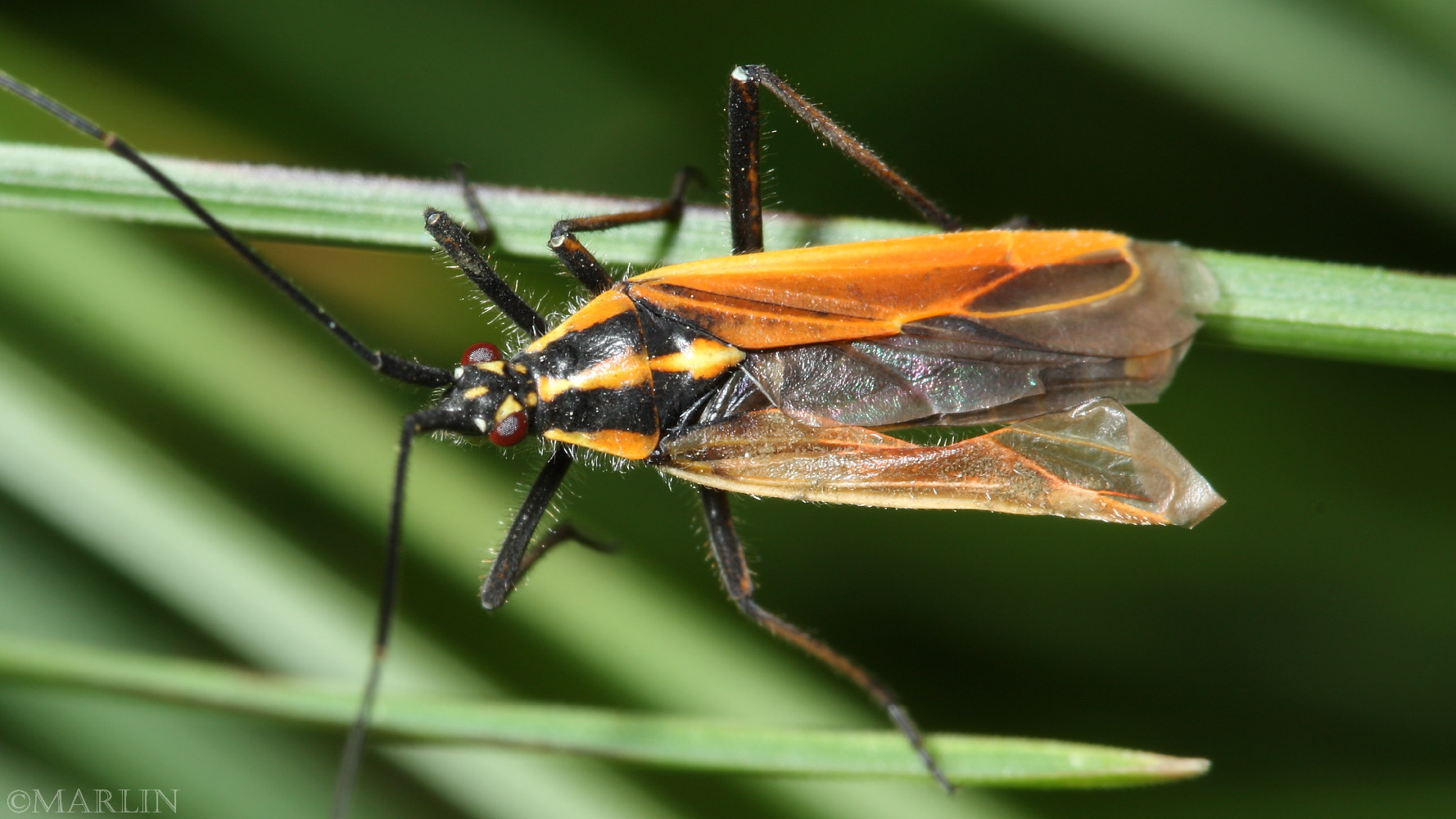
Male unfurling wings
Family Miridae – Plant Bugs
Live adult bugs photographed at DuPage County, Illinois. Adult Size = 10mm
The meadow plant bug, as might be expected, is found on various meadow grasses, including softgrass (Holcus), foxtail barley, western wheatgrass, quackgrass, big and little bluestem, and junegrass [3]. This bug was accidentally introduced from its native Europe in 1832 and is now endemic across North America.
Plant bugs, stink bugs, and lacebugs use their sucking mouthparts to feed on plant sap. Damage ranges from many small white spots on the leaves to distortion or destruction of plant tissue, depending on the pest and host plant. Some feed on many different types of plants while others feed only on a narrow range or single species. [1]
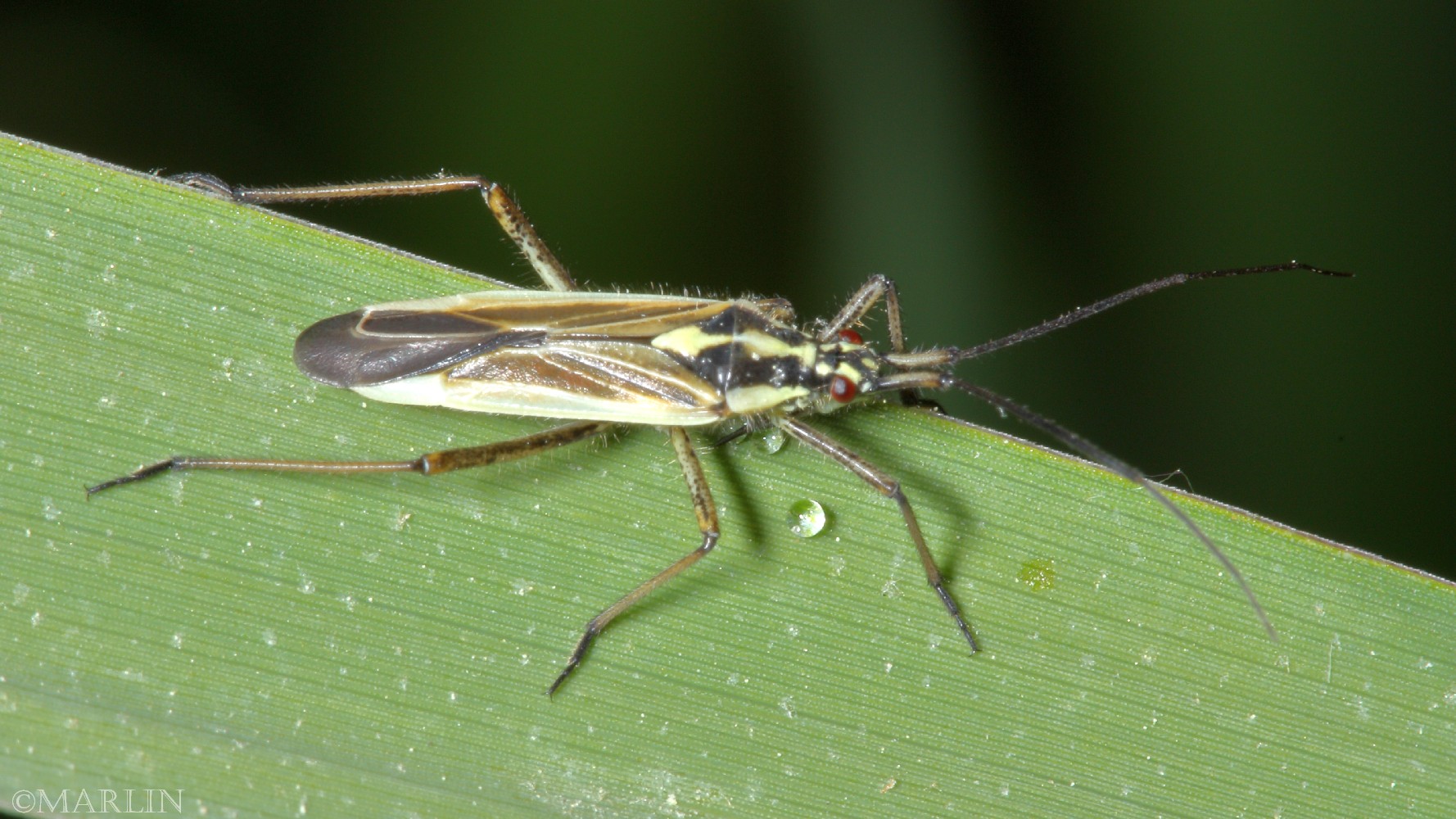
Female
Most plant bugs are considered aesthetic nuisance pests since they rarely kill their host plants. However, leaf and flower distortion can be very severe and can greatly reduce the aesthetic value of landscape plants. Plant bugs insert their mouth stylets into host plant tissues and inject a tissue dissolving saliva. They then suck out the liquefied plant tissues, much like other bugs suck the insides from their insect prey.
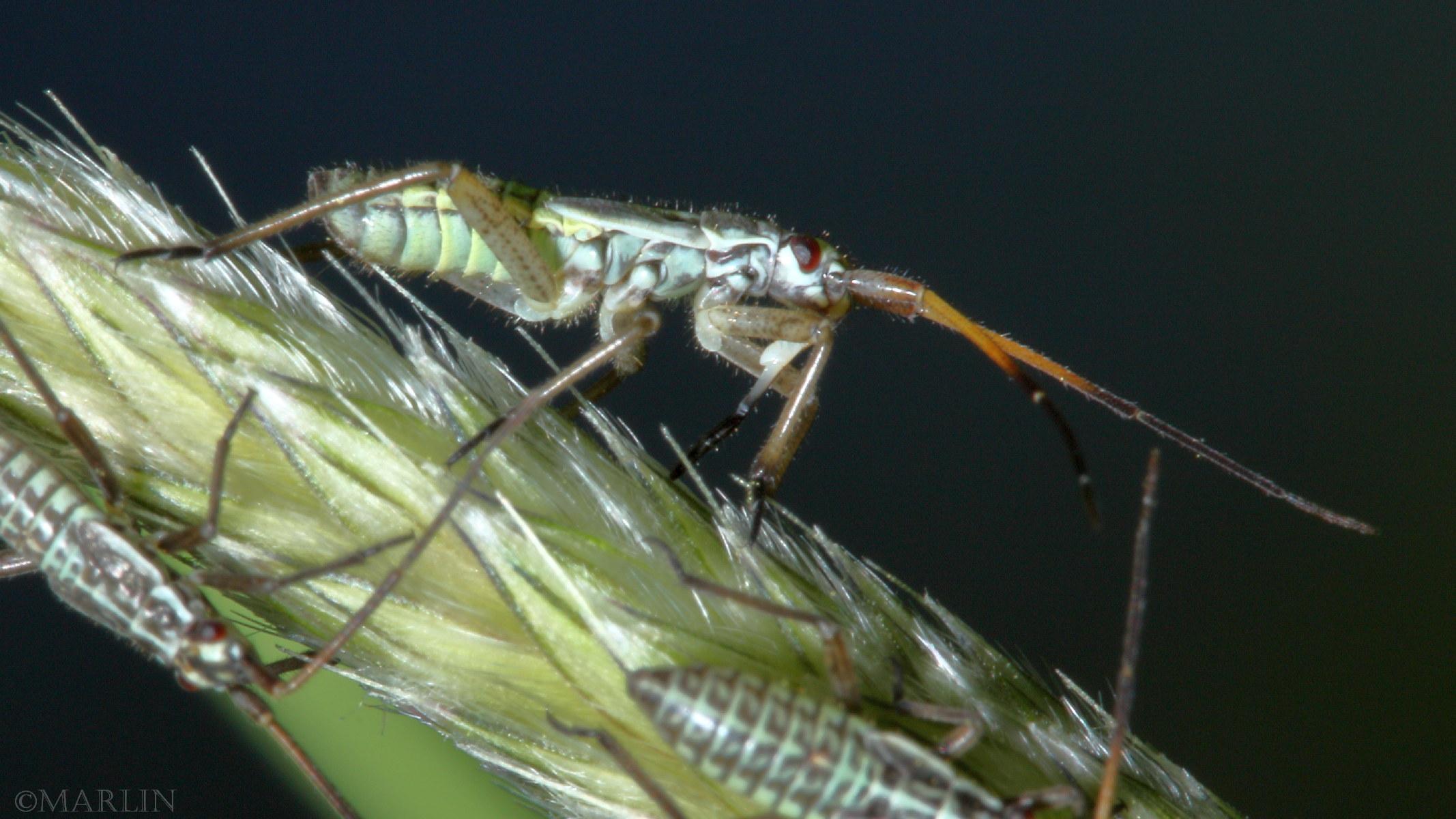
Nymphs
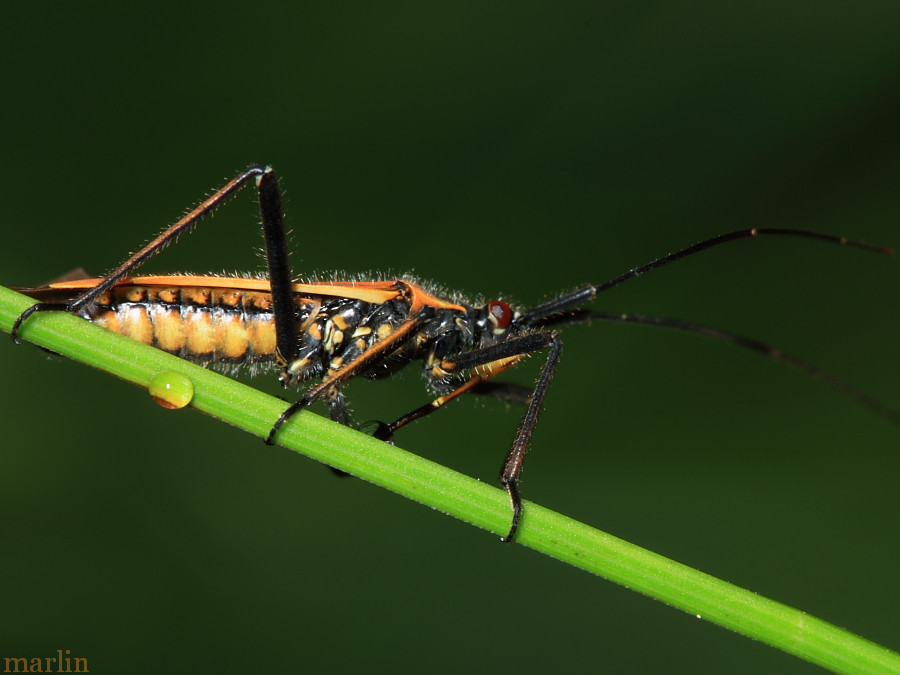 This adult male bug is feeding with rostrum inserted into a grass stem
References
- Plant Bugs and Lacebugs | University of Kentucky Entomology
- Bugguide.net, Meadow Plant Bug – Leptopterna dolabrata
- S. McNeil, Dept. of Zoology, Imperial College, “The Dynamics of a Population of L. dolabrata“
Bugs | Leaf Beetles | Soldier | Blister | Lady | Scarab
Tree Encyclopedia / North American Insects & Spiders is dedicated to providing family-friendly educational
resources for our friends around the world through large images and macro photographs of flora and fauna.
Online since 2002